Pinch & Sprig — a bakery group that sells out by 10am, online first
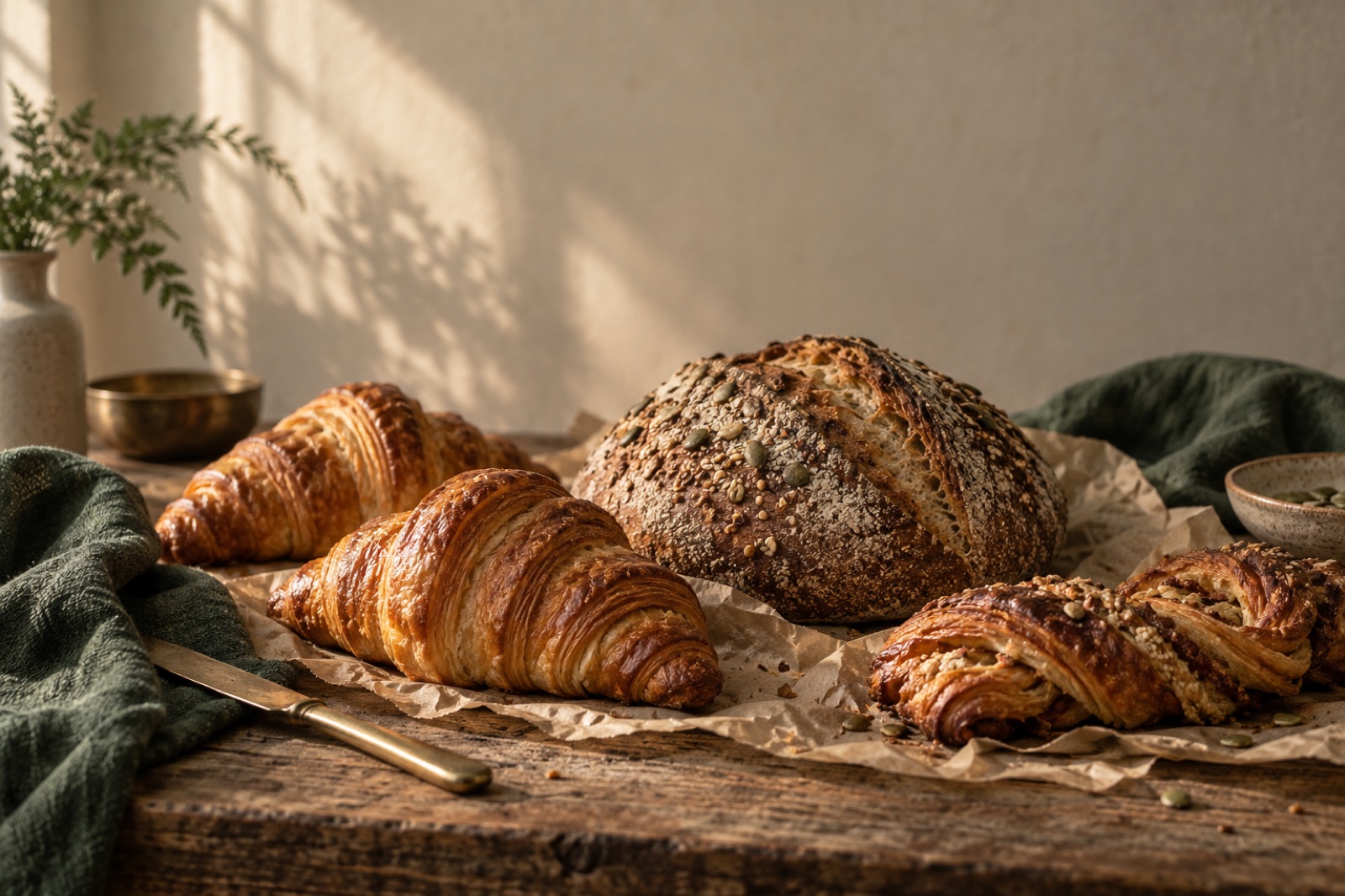
Pinch & Sprig is a fictional-but-plausible Sydney bakery group: a corner shop in Enmore that queues down the street, a newer site in Marrickville, a production kitchen in St Peters, and a wholesale list of thirty cafés. Their croissants sell out by ten most mornings. Their website, until recently, was an Instagram profile, a PDF menu from 2023 and a phone number nobody answered after 6am.
The founders came to us with a sentence we've learned to love: "We're too busy to grow." The morning sell-out sounds like success — and it is — but it's also a ceiling. Every sold-out morning is a hundred customers told no, thirty wholesale cafés ordering by voicemail, and a brand entirely dependent on a queue. Here's what we rebuilt. The numbers below are illustrative; the shape is honest.
The challenge
Hospitality web projects usually fail by copying restaurant playbooks: booking widgets, hero videos, menus as PDFs. A bakery is a different business wearing the same apron. Its transaction is ten dollars, its window is ninety minutes, and its inventory dies at 4pm. Everything we designed had to live inside those constraints.
Three specifics. First, the sell-out maths. Pinch & Sprig baked for foot traffic plus a safety margin, and threw out the margin. Pre-orders could convert waste into revenue — but only if the cut-off logic was honest. Nothing poisons a bakery's reputation faster than a pre-paid croissant that isn't there at 8am. Second, wholesale ran on voicemail. Thirty café owners calling between 5am and 6am, orders transcribed onto paper, errors discovered at delivery. Third, the brand had grown faster than its identity. Three sites, three interpretations of the logo, packaging that didn't match the shop that didn't match the Instagram.
The approach
Identity: photograph the product, type-setting the rest. The rebrand started with a two-day shoot — pastry under honest morning light, on the actual baking paper, with the actual trays. No styling trickery: that honesty is the positioning, consistent with our thinking on product photography that actually sells. Around the photography we built a restrained system: a condensed grotesque for prices and windows, a warm serif for the words between, one pinch-red accent inherited from the shop's original awning. Enough system for three sites and a wholesale portal, not so much that a label printer can't follow it.
Pre-orders with honest cut-offs — the heart of the build. One tap from Instagram bio to a pickup slot. The bake sheet is the source of truth: each product has a per-site allocation per 30-minute window, decremented in real time, and the site says plainly when a window is full rather than overselling. The 9pm cut-off is explained in one sentence — "we laminate at 4am; this is when we need to know" — because a cut-off with a reason reads as craft, not bureaucracy. This follows our pre-order trust playbook: scarcity you can verify is service; scarcity you can't is marketing. Failed pickups release stock back to the morning queue automatically, with a two-strike policy that has been used eleven times and disputed zero.
Wholesale: a quick-order portal, not a shop. Café owners don't browse; they reorder. The portal opens on a one-screen grid of their usual items with last-order quantities pre-filled — edit, confirm, done. Cut-off timers per product line, delivery-day logic per postcode, standing orders that pause for public holidays. The same "answer first" instinct as our dashboard work: a café owner at 5:40am wants to confirm, not to explore.
Menus are pages, not PDFs. Each site's menu is a real page — indexable, accessible, editable in Sanity by anyone on the team without a design degree. Allergen tags are data, not footnotes. Pricing changes propagate to menus, pre-order and wholesale from one place, ending the three-versions-of-the-truth problem that plagues every multi-venue hospitality group. The sites also carry proper local landing pages — opening hours that update for public holidays, park-nearby notes — built on the local SEO checklist we run for every venue client.
The outcome
Nine months after relaunch:
- Pre-orders account for 41% of morning volume at Enmore, and the morning sell-out moved from 10am to closer to midday on weekdays — same ovens, better information. Food waste is down by a fifth.
- Wholesale reorder time fell from 25 minutes (voicemail, callbacks, confirmation texts) to 4 minutes. Nineteen of thirty wholesale accounts converted to the portal in the first month without being asked twice; the rest followed when the phone line quietly stopped being the fastest option.
- "Are you open?" phone calls dropped to effectively zero — the hours panel answers to the minute, including the Instagram bio's most-asked question.
- Pickup-window adherence is 94%. The honest cut-off and the live allocation turned out to be self-policing: when the site doesn't oversell, customers don't queue-rage.
- Catering enquiries tripled, almost entirely through the menu pages' new ranking for "birthday cake Enmore" and friends — search traffic the PDF was invisible to.
Stack and team
React and TypeScript storefront on Shopify for payments and order management; Sanity as the single content source for menus, hours and allocations; a small sync service keeps bake-sheet capacity honest in real time; Mapbox powers suburb-level delivery logic. Squad: a designer, two engineers, a producer, and Pinch & Sprig's head baker in every Friday demo — because she was the only person who knew what 4am actually looks like. Our standard squad shape, more on how we work.
What we'd tell another bakery group
Your sell-out isn't a marketing asset, it's a data problem. Put your bake sheet on the internet, make your cut-offs explain themselves, and let photography do the talking. We brought the same instincts to Coriander Collective's six-restaurant platform and to Tallow & Co.'s providore rebuild. If your mornings are chaos, tell us about them.
Coriander Collective: six restaurants, one platform, zero beige
A restaurant group's six venues got one platform and six personalities: token-driven theming, unified reservations and gift cards that grew revenue 5x.
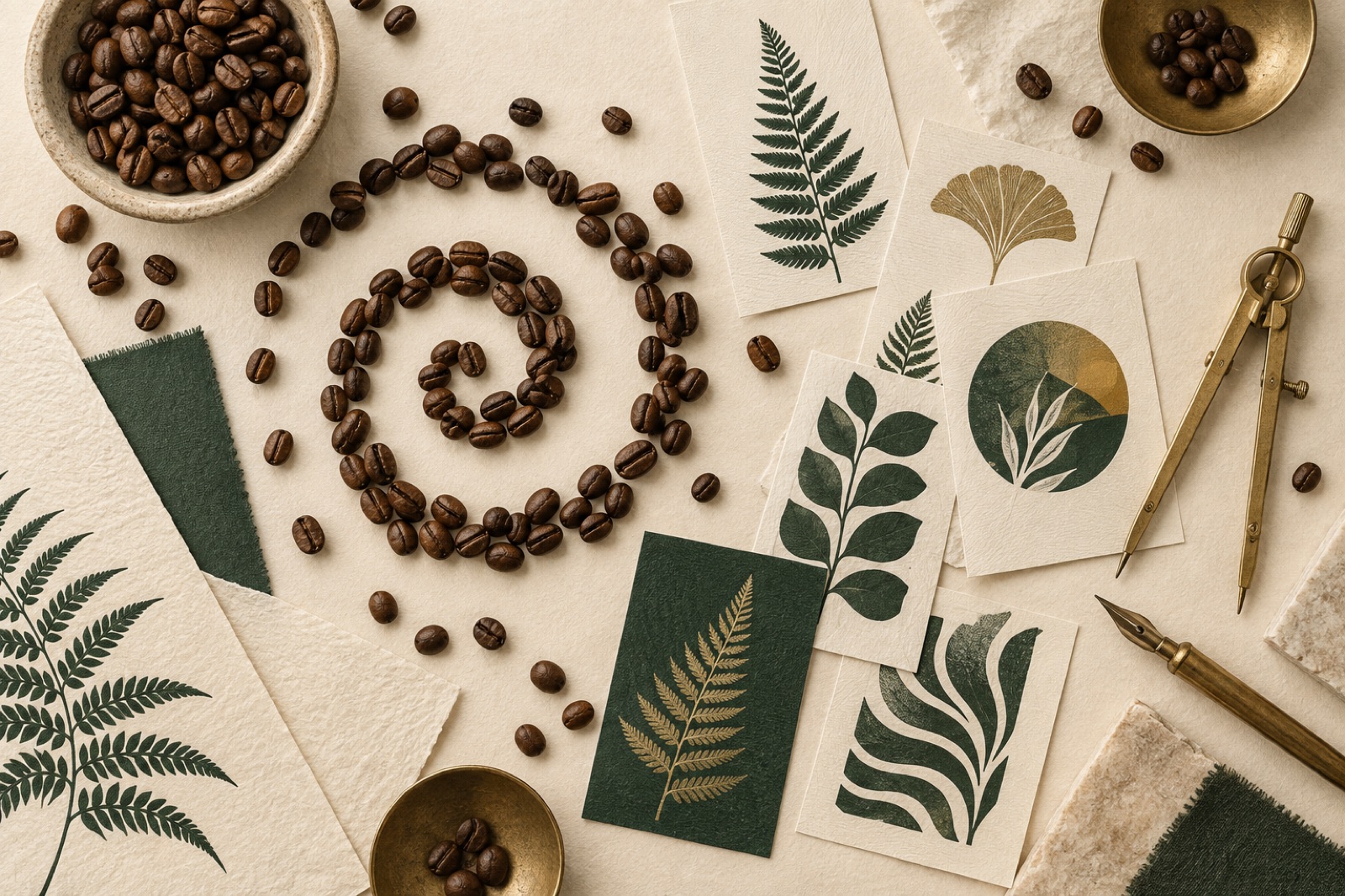
A brand system that grows itself
How Brassfern rebuilt Hearthbrew Coffee's identity around a generative botanical system — and handed the internal team a tool instead of a PDF.
Marlowe Hotels: winning back the direct booking
A boutique coastal hotel group was paying OTAs a quiet tax on three-quarters of its bookings. We rebuilt the site and booking flow — and the share flipped.