Nate Sullivan
Treats checkout friction like a personal insult. Once shaved 400ms off a PDP and framed the waterfall.
- Role
- E-commerce Lead
- Based
- Auckland
- In the journal
- 23 articles · 7 case studies

Arkwright Supply: B2B ordering that respects a tradie's lunch break
A 40,000-SKU industrial supplier moved ordering online — account pricing, CSV bulk orders and search that speaks trade slang. Phone orders fell 48%.

Tidal Games: a storefront that outlasted launch day
An indie game label needed a store that could survive launch day and still feel hand-made. We built headless commerce and fair, queue-free drops.
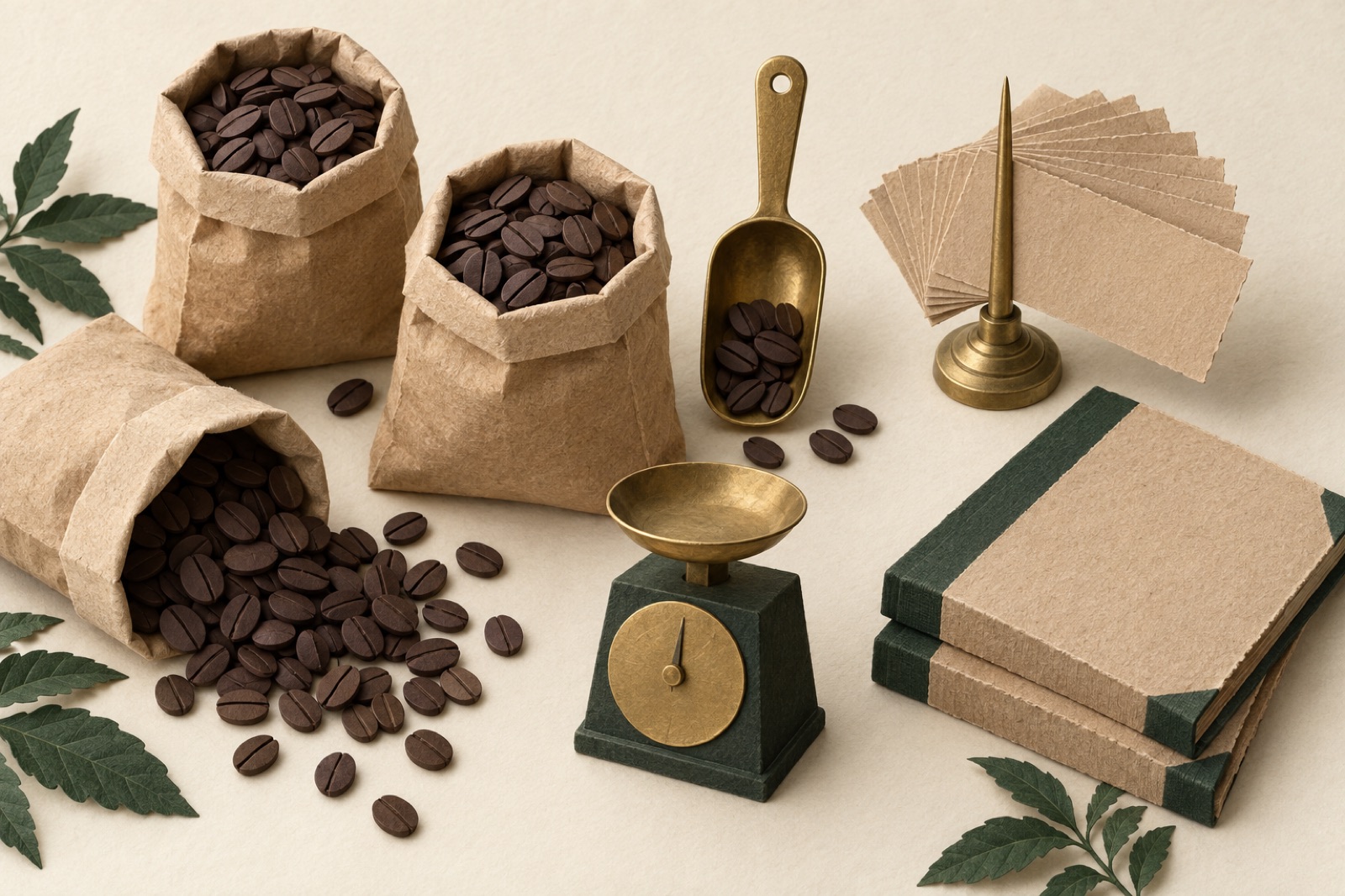
Ironbark: retiring the order-desk fax ritual
How we replaced a wholesale roaster's phone-and-fax order desk with a self-serve portal: per-account price lists, honest cut-offs, and one-tap reorders.

Glasshouse: a seat map people stopped dreading
A 384-seat theatre's box office was where sales went to die. We rebuilt it around an honest seat map, truthful timers and keyboard-first booking.

Pinch & Sprig — a bakery group that sells out by 10am, online first
Three Sydney bakeries, one-tap pre-orders with honest cut-offs, a wholesale portal that kills the 5am phone call — and menus that are pages, not PDFs.

Fern & Forage: same-day flower delivery without the panic
A florist's website where the hardest UX problem is honesty — cutoffs, postcodes and seasonal stock — turned into the brand's warmest asset.
Saltbush Collective: a marketplace for food with a postcode
A two-sided marketplace connecting regenerative farms to city buyers. We built producer storefronts, seasonal availability and a checkout tuned for mixed baskets.
Site search: the highest-intent feature most stores neglect
On-site search users convert at multiples of browsers, yet most stores never open their search logs. The analytics loop, merchandising rules and KPIs that fix it.
Anchor navigation on long pages: TOCs that get used
Tables of contents are either the hardest-working furniture on a long page or pure decoration. How we design anchor navigation that earns its pixels.
Mobile checkout, field by brutal field
A field-by-field teardown of mobile checkout: input modes, autocomplete contracts, wallet placement, errors with fat fingers, and measuring drop-off per field.
Express wallets: faster checkout, if you place them right
Apple Pay and Google Pay can be your best-converting payment method or an ignored button. Placement, address capture and measuring the real effect.
Back-in-stock flows: the lifecycle asset nobody funds
Notify-me is a lifecycle asset, not a plugin checkbox: micro-commitment signups, honest timing, restock emails that convert, and waitlists as demand signal.
B2B wholesale portals: design for the reorder
Wholesale buyers are professionals doing a job. Quick-order tables, SKU paste, standing orders, net terms and account hierarchies — built for the reorder.
The order-tracking page is an owned channel
The most-visited page in your store is one you probably didn't design. Status timelines, honest exceptions, delivery-day ritual, and where merchandising must stop.
Checkout friction: where conversions actually die and how to find out
Checkout abandonment is diagnosed with funnels, error logs and session data — not vibes. Where conversions actually die, how to measure each death, and what to fix first.
Headless commerce: the honest trade-offs
When headless earns its complexity: team topology, total cost of ownership, performance ceilings, and the scenarios where a tuned theme wins. A decision scorecard.
Wishlists and save-for-later: intent capture that respects the moment
A wishlist is a promise to pay attention twice. How to design anonymous saves, merge-on-login, price-drop alerts and pruning without becoming spam.
Click-and-collect without the car-park chaos
BOPIS is a promise your website makes about a physical place. Store-level stock honesty, honest handoff windows, SMS that stands alone, and the expired-order state.
Scarcity and urgency, without lying about stock
When 'low stock' messaging is service and when it's manipulation — inventory-synced badges, countdown-timer ethics, and urgency copy that survives an ACCC sniff test.
Building an image pipeline that designers don't curse
The image pipeline behind our fast pages and happy editors: AVIF/WebP fallbacks, focal-point crops, build-time vs CDN transforms, and the editorial fields that matter.
Size guides and the design of fit confidence
Fit uncertainty is apparel e-commerce's biggest tax. Size guides, fit finders and honest model references that cut fit-driven returns with design, not policy.
PDP galleries: the eight-image sequence that answers every doubt
The gallery is the busiest component on your store. Sequencing by doubt, zoom mechanics that don't fight the customer, video restraint, and perf budgets.
Site speed is a merchandising decision
Milliseconds are margin. How to attribute revenue to performance honestly, where to spend speed budget on commerce templates, and how to make the case.
Preorders and backorders: UX for not-in-stock
Preorders and backorders without burning trust: dates as promises, deposit patterns, honest expectation-setting, split shipments, and copy that keeps inboxes quiet.
B2B portals buyers love: quick order, CSV upload and reordering
Wholesale portals are won in the reorder flow, not the catalogue. Quick-order pads, forgiving CSV upload, standing orders, account pricing and rep handoff.
Payments and trust at the AU/NZ checkout
Cards, Afterpay, Zip, PayPal and Apple Pay — how to order payment methods, price the fees honestly, and earn trust without clip-art badges at the AU/NZ checkout.
WCAG AA for product teams: the parts everyone gets wrong
The WCAG AA criteria that fail most in real products — contrast, focus visible, target size, keyboard traps — and the review rituals that keep them green.
The subscription portal: where churn is won honestly
The subscription portal is your retention product: manage screens, swaps, dunning with dignity, and exit surveys that respect the people leaving.
Returns UX: the loyalty moment hiding in plain sight
A bad return ends a customer relationship; a good one deepens it. Self-serve flows, honest exchange nudges, sizing feedback loops and returns data as intel.
Returns are a product feature — design them like one
Most stores treat returns as a policy PDF. The best build a self-serve returns portal that saves revenue, feeds merchandising data, and keeps customers.