Willow & Wren: the bookshop site that reads like a bookseller

Willow & Wren is a two-storey bookshop in Hobart with a espresso machine, a sleeping dog of uncertain ownership, and the best staff recommendations in the state. Every shelf carries handwritten talkers — forty words of genuine enthusiasm from the person who actually read the book. Customers photograph them. Tourists plan trips around them.
The website, when they came to us, conveyed none of this. It was a catalogue: cover, price, an ISBN-powered blurb identical to every other bookshop on earth. Owner Mira Willow's brief was one sentence: "I want a stranger in Perth to get the same feeling as a regular in the shop."
The challenge
Independent bookshops don't compete with the algorithm on logistics and they've largely stopped trying. They compete on judgement — the staff member who puts the right book in your hands because they know what you loved last winter. The old site had deleted exactly that, and replaced it with the same metadata everyone else has.
The specific problems:
- The shelf-talkers didn't exist online. Eight years of handwritten recommendations — the shop's entire editorial capital — lived on cardboard.
- Inventory honesty was a liability. The shop's POS knew what was physically on the shelf, but the old site showed everything as "available", leading to the classic indie-bookseller wound: taking an order, emailing to say it's a two-week wait, refunding a disappointed customer a week before Christmas.
- The newsletter was an afterthought. A monthly "new releases" mail with a 19% open rate, written in an afternoon and sounding like it.
- A customer base spread far. Half their web traffic came from mainland buyers who'd visited once on holiday and wanted to keep the relationship. The site gave them nothing to hold on to.
The approach
The shelf-talker became the content model. This was the foundational decision. In the CMS, the atomic unit isn't the book — it's the recommendation: which staff member, which book, their sixty-word rave, which shelf it lives on. Everything else composes from there. A book page surfaces its talkers. A staff page (each bookseller has one, with their face and their picks) is a portrait of a reader. The weekly newsletter is three talkers on a theme. Nothing is written twice because it's only written once, by the person who loved the book. This is the content-ops pattern behind every good editorial build we've done — write it once, at the source of the knowledge, and let structure do the distribution.
Honest stock states, worn proudly. Product pages say one of three true things: "On the shelf in Fiction — reserve it and we'll set it aside", "Order in — usually 2–5 days from our distributor", or "Out of print-ish — ask us, we love a hunt". We expected honesty to cost conversions. It did the opposite: the reserve-for-pickup flow (free, one tap, an SMS when it's behind the counter) became the site's signature interaction, and the frank labels meant nobody was ambushed by a wait. The lesson rhymes with what we found building Tallow & Co.'s providore site: local retail wins by digitising the ritual, not by imitating fulfilment centres.
Fast on regional connections. Hobart winters, motel holiday Wi-Fi, rural Tasmanian broadband. The shop's readers skew older and their connections skew honest. We set a hard performance budget: no cover image above 60kb, system of lazy shelves, and a first paint under two seconds on a throttled connection. The staff didn't care about the numbers — they cared that customers stopped saying "your website wouldn't load at the shack".
The newsletter as the shop's voice. We retired "new releases" and launched Three Books on One Table — weekly, themed (books about islands; novels where the house is a character; books to give a person having a hard year), three talkers each, links to reserve. It's the same editorial engine, pointed at an inbox. The mechanics follow our newsletter-as-growth-engine playbook: one strong repeatable format, a promise kept weekly, and selling as a side effect of recommending.
Shelves, not search results. Browsing is structured the way the shop is — rooms, shelves, staff tables — rather than as a flat grid of covers. It's a deliberate application of digital merchandising: a bookshop's interface should stage discoveries, not just fulfil queries.
The outcome
The site relaunched in July 2025, timed — pessimistically, we thought — to be load-bearing by Christmas. Illustrative results across the first season:
- Reserve-for-pickup: 41% of local online orders now use it, and staff report the honour-system pickups almost always leave with a second book. The counter-chat survived the internet.
- Newsletter: open rate 19% → 47%; Three Books on One Table accounts for 18% of weekly online revenue by Thursday morning.
- Distant regulars: mainland repeat customers grew to 34% of online revenue; talker pages are the most-linked content in the newsletter by a wide margin.
- Staff adoption: every bookseller writes their talkers directly into the CMS. The average time from finishing a book to publishing a rave is under four minutes, which is why it happens.
- Honest-stock satisfaction: the January returns-and-refund rate halved year on year, and the one-star review category "said it was in stock" simply ceased to exist.
"We always said the talkers were the shop," Mira told us. "Turns out they were also the website. We just needed someone to insist on it."
What we'd tell other independent retailers
Your unfair advantage is already in the building — in the handwriting, the rituals, the regulars. Structure it, put it in the CMS as first-class content, and let honesty about stock and speed do the marketing. If that sounds like your shop, browse our retail work, read why site speed is a merchandising decision, or come and talk.
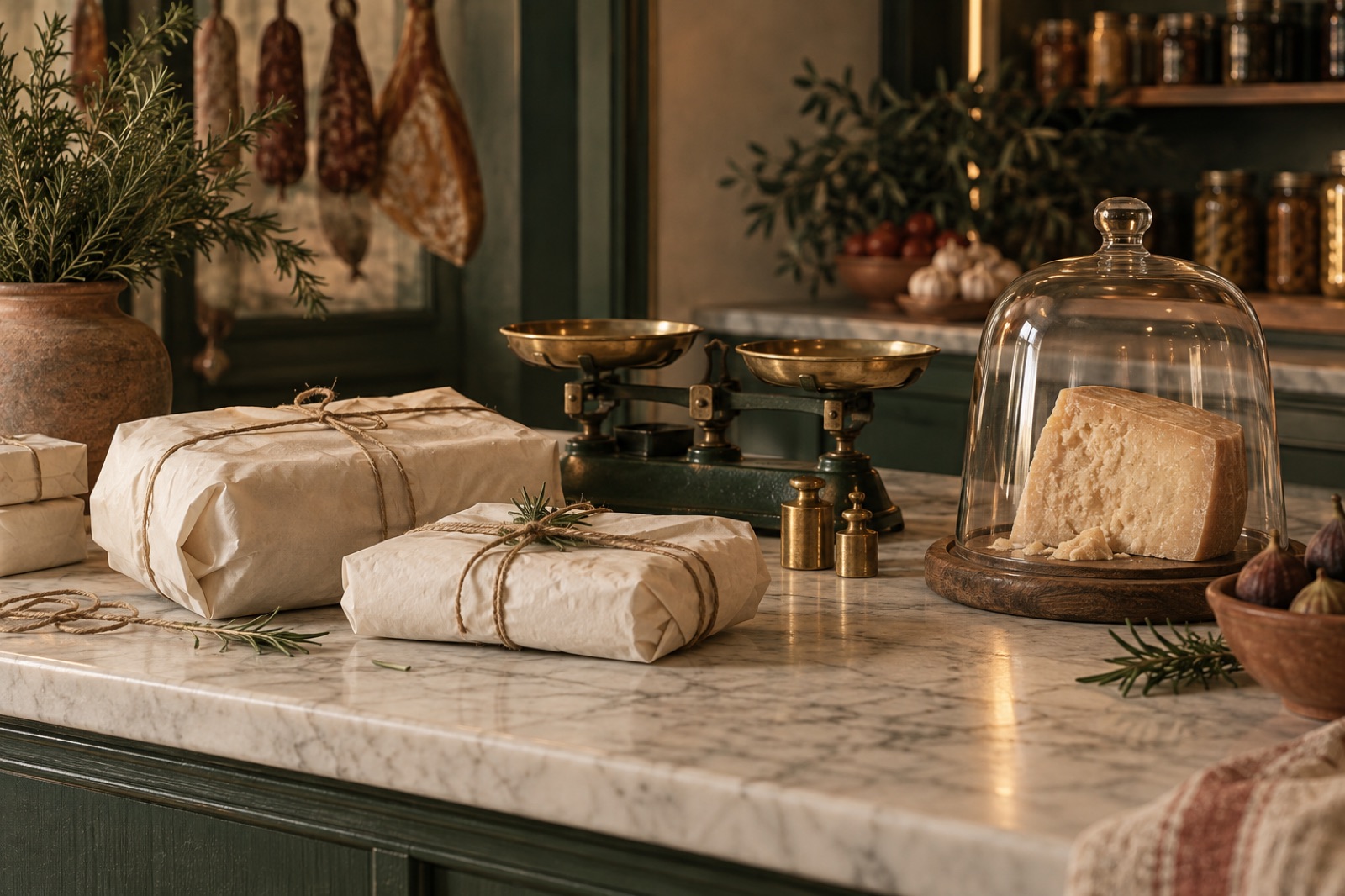
Tallow & Co.: a 1987 butcher becomes a modern providore
A heritage Adelaide butcher went online without losing the counter-chat. How we built pre-order flows, seasonal boxes and a brand refresh the regulars didn't notice.

Fernleigh Wines: a cool-climate label learns to sell online
From template storefront to editorial DTC channel: how we rebuilt Fernleigh Wines' online shop around storytelling, flexible subscriptions and cellar-door warmth.

Tidal Games: a storefront that outlasted launch day
An indie game label needed a store that could survive launch day and still feel hand-made. We built headless commerce and fair, queue-free drops.