Ask a room of veterinary students what animals they want to treat and you'll hear dogs, horses, maybe wildlife. Almost nobody says fish — and yet aquatic animal medicine is one of veterinary science's undersupplied specialities, working some of the most economically important animals on Earth. Aquaculture now produces about as much seafood as wild catch worldwide, every one of those animals is covered by health and welfare rules that need veterinary oversight, and the people qualified to deliver it are scarce. If you like medicine, water, and the idea of being genuinely needed, this is a career hiding in plain sight.
What aquatic vets actually do
The speciality splits into four working worlds, with plenty of movement between them.
Farmed-fish health
The largest employer by far. Aquaculture vets manage health at population scale across salmon, trout, shrimp, tilapia, sea bass, shellfish and — increasingly — seaweed–shellfish integrated systems. The daily work is surveillance and prevention: health monitoring and sampling programmes, vaccination strategies, water-quality-driven diagnosis, sea-lice and pathogen management, biosecurity audits, and welfare assessment at handling and harvest. Treatment is common; antibiotics are tightly regulated and progressively rare — the profession's centre of gravity has shifted firmly from curing outbreaks to designing systems where outbreaks don't start. The wider industry context is mapped in our careers in aquaculture guide.
Aquariums and zoos
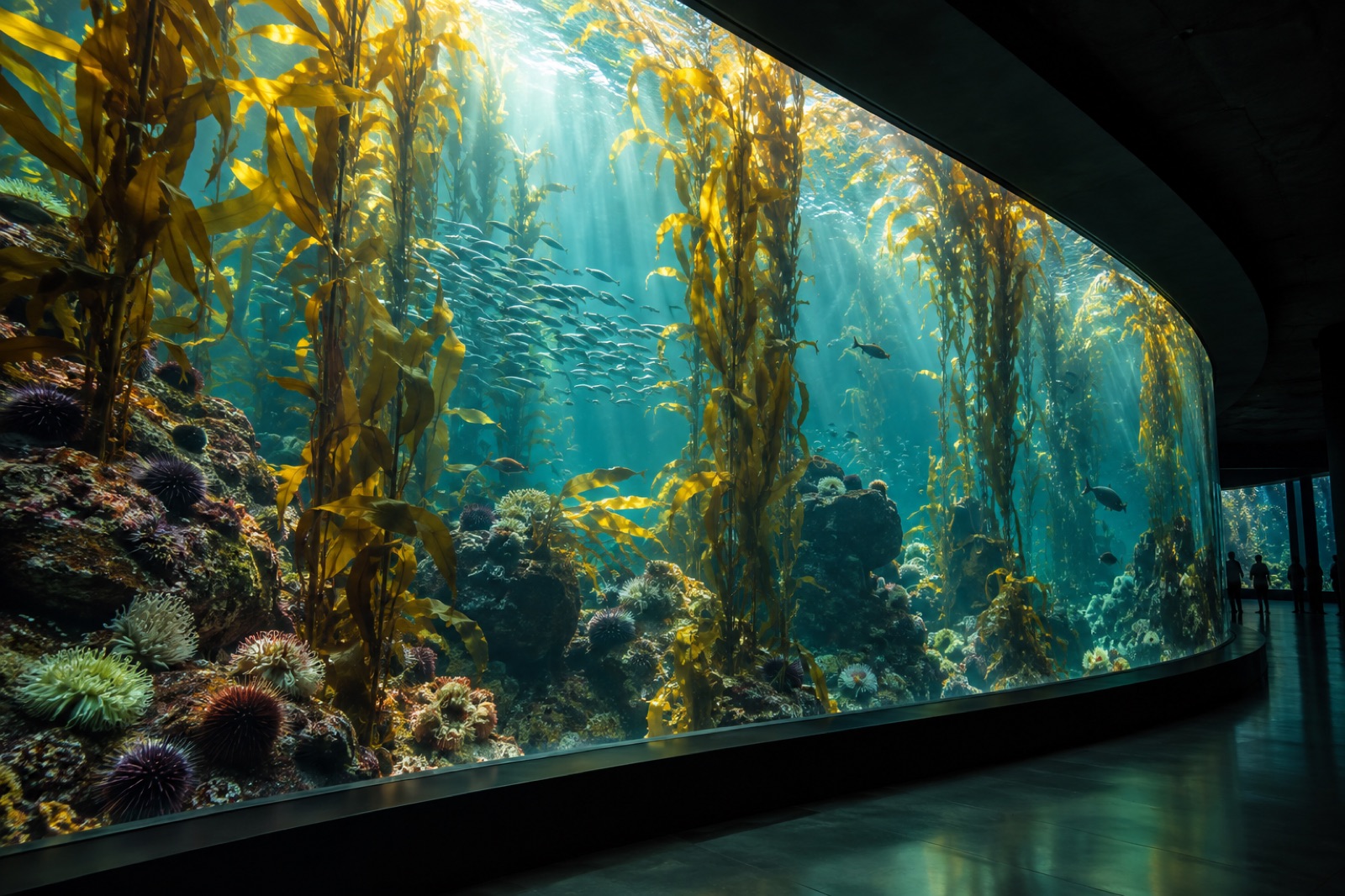
The most visible sliver of the field: clinical medicine on individual animals worth more as individuals — sharks, rays, seahorses, corals, rescued turtles. It's surgery, imaging (yes, you can ultrasound a fish), exhibit water chemistry and quarantine design, usually embedded in the public aquarium career ecosystem. Posts are few and coveted; most aquarium vets arrive via zoological-medicine residency rather than aquaculture.
Wildlife, fisheries and government
Agency and NGO vets work on wild-stock health: disease surveillance in wild fisheries, unusual mortality investigations, health certification for stock movements and hatchery releases, and rehabilitation medicine for stranded marine mammals and turtles. The work blends field epidemiology with regulatory medicine — health certificates and movement permits are legal documents, and vets sign them.
Research and biosecurity
A quieter track: diagnostic laboratories, university aquatic-health programmes, pharmaceutical and vaccine development, and the biosecurity consultancies that stress-test farms and hatcheries before pathogens do it for them. The hatchery end of this world overlaps with the skills in becoming a hatchery technician — the difference is that the vet carries legal and diagnostic authority.
The qualification route
There is no shortcut around the foundation: a veterinary degree and licensure in your jurisdiction — the same multi-year, competitive gate as every other vet. What makes aquatic medicine feel exotic is how little of it the average vet curriculum contains; the aquatic layer is added deliberately, and the layering strategy is the career plan:
- During vet school, gather hours anywhere water-adjacent: aquarium externships, fisheries-agency summers, aquaculture placements, aquatic-focused student groups. Programmes in major aquaculture countries run dedicated aquatic veterinary electives; even without one, supervisors notice the student who shows up at a diagnostic fish lab.
- After licensure, most specialists add one or more of: an internship/residency in zoological or aquatic medicine (the board-certification route for aquarium and wildlife work); a master's or doctorate in aquatic epidemiology, fish health or pathology (the research and farm-consultancy route); or structured post-graduate certification through professional bodies such as the World Aquatic Veterinary Medical Association's competency programmes.
- In practice, jurisdictions increasingly require specific accreditation for fish health certification and farm oversight — short government-run courses that convert a licensed vet into a signing vet, the person whose name makes stock movements and export certificates legal.
Expect the genuinely specialised credential stack to take several years past graduation. The compensation: a professional niche in which recruiters e-mail you.
The skills that surprise new aquatic vets
Water is the physical exam. In terrestrial practice you examine the patient; in aquatic practice you interrogate the medium first. Oxygen, temperature, ammonia, salinity and flow explain half the caseload, and a vet who walks a farm reading the water before touching a fish will out-diagnose one who doesn't. Husbandry drives pathology here more than in any other veterinary field.
The patient is a population. Health is a distribution, not an individual: mortality curves, growth variance, and the clinical pattern of the slowest ten percent of a tank. Sampling design and basic epidemiology are clinical skills, not academic extras.
Welfare is the frontier. Fish welfare science has matured fast — humane stunning, handling stress, environmental enrichment — and regulators and buyers increasingly require documented welfare practice. Vets write those protocols; it's one of the few veterinary fields where you can visibly raise the standard of care for millions of animals by rewriting one farm procedure.
You're a policy actor. Health certificates move stock; movement rules stop epidemics; your signature shapes trade. The biosecurity mindset — quarantine design, zoning, latency — is the difference between a vet who treats ponds and one who protects regions, which is precisely the craft our aquaculture technician career piece describes from the farm floor upward.
Where the jobs are — and what they pay
Employment concentrates where aquaculture concentrates: the salmon belts of northern Europe, Chile and Tasmania; shrimp and tilapia regions across Asia and Latin America; Mediterranean sea bass and bream; and government veterinary services in any seafood-trading nation. Consultancy is growing fast — a senior fish-health vet may serve a dozen farms across a region by video, records and scheduled site rounds, which suits people who like independence and travel more than station life.
Pay is honest-middle veterinary: above small-animal general practice in many farm-heavy regions once accredited, below the corporate summit of companion-animal specialities, with the aquarium and academic tracks trading salary for animals and prestige. The market asymmetry is the attraction wherever you sit: demand for credentialed aquatic vets tracks aquaculture's growth, and supply doesn't. Multilingual mobility compounds the advantage — a vet fluent in Spanish and the Chilean regulatory system, or working across Southeast Asian shrimp states, writes their own career.
Moves to make this year if you're interested
- In high school or pre-vet: prioritise chemistry and biology, and get any animal-handling and water-quality experience — aquarium society tanks, a local fish farm, a pond-care business.
- In vet school: join the aquatic-interest group, take every water-adjacent externship, and learn fish necropsy early — the diagnostic-hands gap is what stops most vets from entering the field later.
- As a practising vet wanting to pivot: post-graduate aquatic certification plus a friendly fish pathologist for referrals converts general licence into aquatic capability faster than a second degree.
Key takeaways
- Aquatic veterinary medicine is undersupplied relative to aquaculture's scale; demand-side pressure on the career is real and durable.
- Four working worlds: farmed-fish health, aquariums and zoos, government and wild-stock health, and research, diagnostics and biosecurity.
- The route runs through full veterinary licensure, then deliberate stacking of externships, residency or postgraduate aquatic certification, and government signing accreditations.
- The craft skills that differentiate: water-first diagnosis, population medicine and epidemiology, welfare protocol-writing, and regulatory responsibility.
- Jobs cluster in aquaculture regions worldwide; consultancy and multilingual mobility are the leverage multipliers.
FAQ
Is fish medicine really a specialised vet career, or a niche hobby?
Specialised career. Farms legally require veterinary oversight for medicines, welfare standards and stock movements, and that oversight must come from someone with the accreditations — which is why certified fish vets in aquaculture regions are structurally in demand.
How long does it take to qualify?
Veterinary degree and licensure on the standard timeline for your country, then roughly one to several more years of aquatic stacking: externships and certificates for farm practice, or a multi-year zoological residency for the aquarium/wildlife board route. Farm-side practice is the faster door.
Can I work with marine mammals and turtles instead of farmed fish?
Yes — that track runs through zoo/aquarium residencies and rehabilitation centres. It's the most competitive sliver of the field; most advisers suggest building competence via the broader aquatic population first and competing for wildlife posts from strength.
Do aquatic vets scuba dive?
Sometimes, usually as a working skill rather than a qualification requirement: farm net inspections, aquarium exhibit work and field sampling can put vets in the water, and a scientific-diving credential is a genuine asset. Plenty of aquatic vets stay topside their whole careers.
What's the single best student move?
Hours at a fish diagnostic lab or an aquarium quarantine room — anywhere you can watch a fish necropsy series and the water-chemistry reasoning that surrounds it. That translational experience is what vet school doesn't supply and employers pay for.