Science8 min read
Counting Fish With Sound: Acoustic Surveys Explained
How do you count fish you can't see? Acoustic surveys use sonar to turn echoes into biomass estimates. Here's how echosounders work — and their limits.
Dr. Mara Ellison ·
Explainers on the physics, chemistry and biology of temperate seas — marine heatwaves, upwelling, holdfast biology, trophic cascades, eDNA.
213 articles
How do you count fish you can't see? Acoustic surveys use sonar to turn echoes into biomass estimates. Here's how echosounders work — and their limits.
Dr. Mara Ellison ·
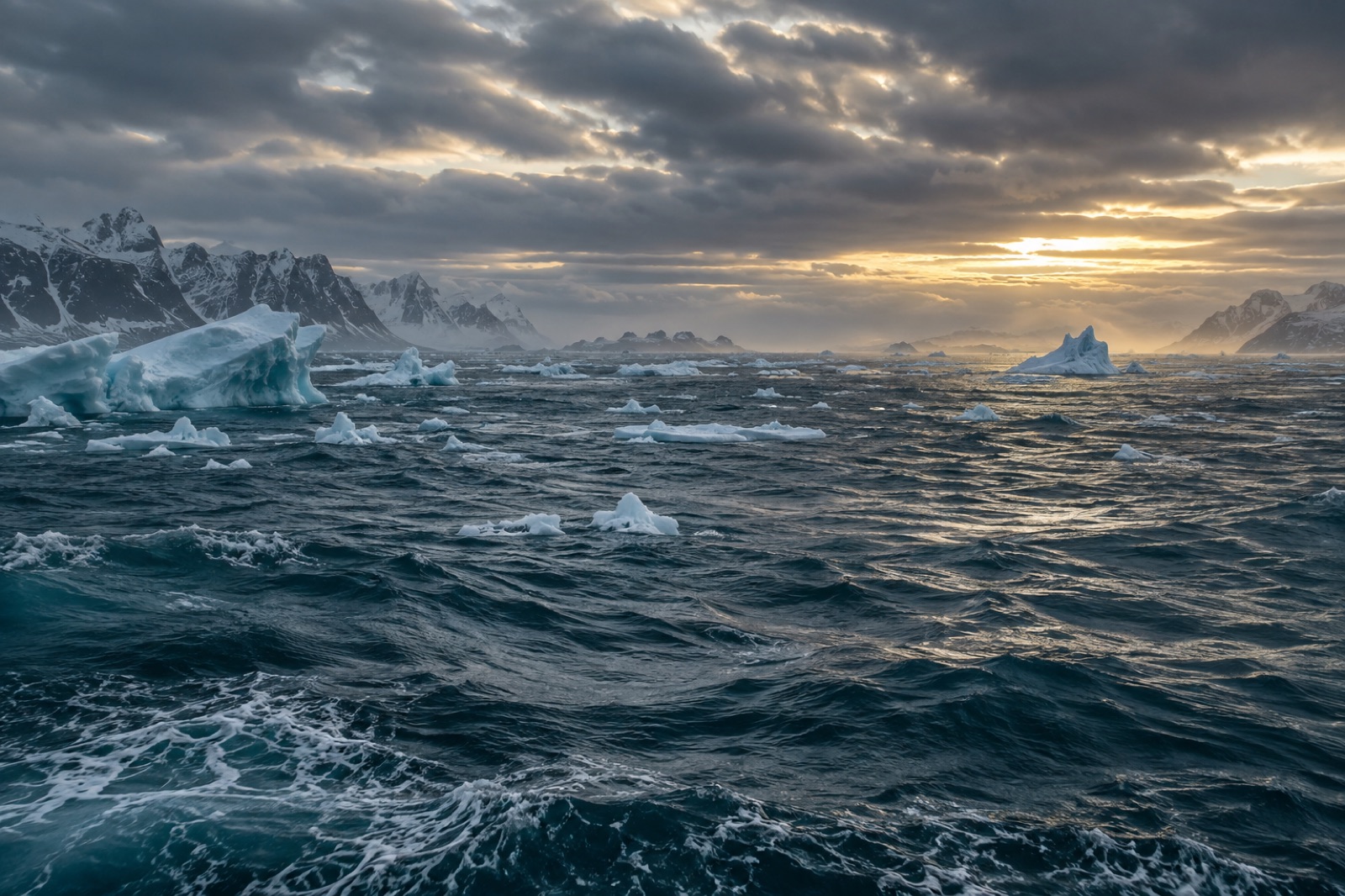
How the Atlantic's great overturning circulation works, what the observations say about its strength, and why its slowing matters for climate and coasts.
Dr. Lena Fischer ·
Some kelps live one season, others many years. What annual vs perennial life strategies mean for forest dynamics, storm recovery — and choosing restoration species.
Dr. Theo Nakamura ·
Nearly 4,000 drifting robots take the ocean's temperature from within. How Argo profiling floats work, what they measure, and why the data is free.
Dr. Lena Fischer ·
Belt transects and quadrats turn a kelp forest into numbers: who lives where, at what density. How these classic survey methods work, and why they endure.
Dr. Mara Ellison ·
Food produced in sunlit surface water rains down to feed the seafloor, and the seafloor recycles nutrients back up. How benthic-pelagic coupling runs a kelp forest.
Dr. Mara Ellison ·
Diverse kelp forests ride out marine heatwaves that wipe out simple ones. Here's the ecology of the biodiversity–stability relationship — and how it guides restoration.
Dr. Mara Ellison ·
A marine larva picks its lifelong address in minutes, guided by microbial slime and chemical whispers. How biofilms and settlement cues decide who settles where.
Dr. Theo Nakamura ·
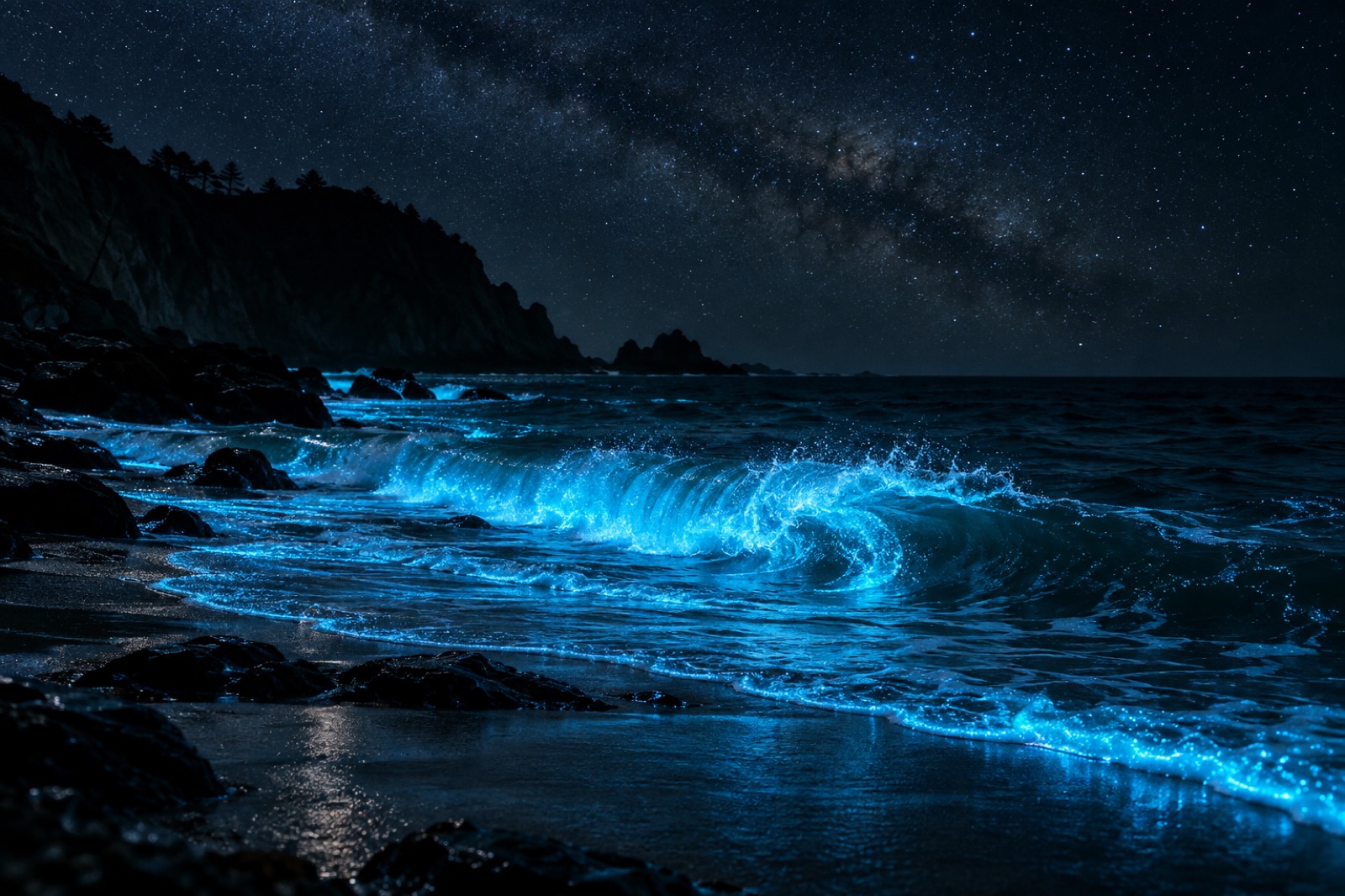
Glowing waves, sparkling wakes and milky seas: the chemistry and ecology of bioluminescence, and how to see the ocean light up yourself.
Dr. Mara Ellison ·
Kelp is not a plant — it is a brown alga built around a stolen red-algal plastid. Tracing 200 million years of stramenopile evolution that produced the forest.
Dr. Elias Brandt ·
Storms punch holes in kelp canopies, and those holes are where the next forest begins. The science of gap dynamics, light pulses and the patchwork reef.
Dr. Mara Ellison ·
Seawater carries a built-in shock absorber for acidity: the carbonate buffer. How it works, why it's wearing thin, and what it means for shell-builders and kelp.
Dr. Lena Fischer ·
How nutrient pollution from land tips coastal reefs from kelp forest to turf algae, why the shift is so hard to reverse, and what actually brings the canopy back.
Dr. Mara Ellison ·
Nutrient pollution feeds opportunistic algae that shade and smother kelp, while rotting blooms strip oxygen. How eutrophication degrades kelp coasts.
Dr. Theo Nakamura ·
Shore platforms, reef relief and rock type decide where kelp can grow. How coastal geomorphology shapes forests — and why restoration starts with reading rock.
Dr. Mara Ellison ·
As seas rise, coastal habitats migrate inland — unless seawalls block the way. How coastal squeeze threatens kelp forests and the intertidal zone, and what helps.
Dr. Lena Fischer ·
Coastal trapped waves carry sea level, temperature and nutrient signals thousands of kilometres along coastlines — the ocean's long-distance phone line.
Dr. Lena Fischer ·
A CTD cast reads temperature, salt and depth through the whole water column. Inside the instrument that gave oceanography its vertical vision.
Dr. Lena Fischer ·
Every spring, cold seas ignite with diatom blooms — microscopic algae armoured in glass. The whole event often hinges on one scarce element: iron. Here's how.
Dr. Mara Ellison ·
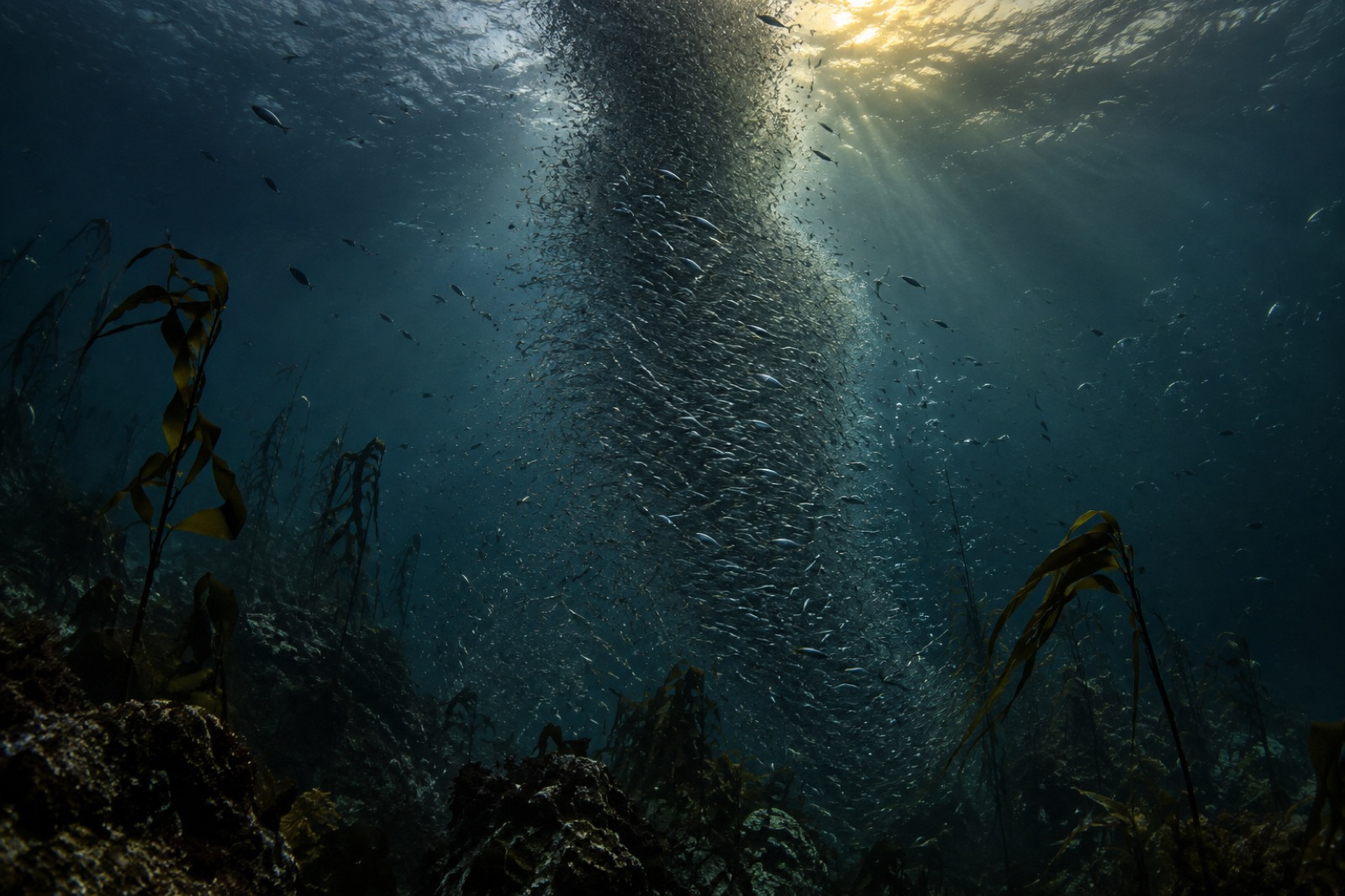
Every night, billions of animals rise hundreds of metres to feed, then sink before dawn. How the largest daily migration on Earth threads through kelp food webs.
Dr. Mara Ellison ·
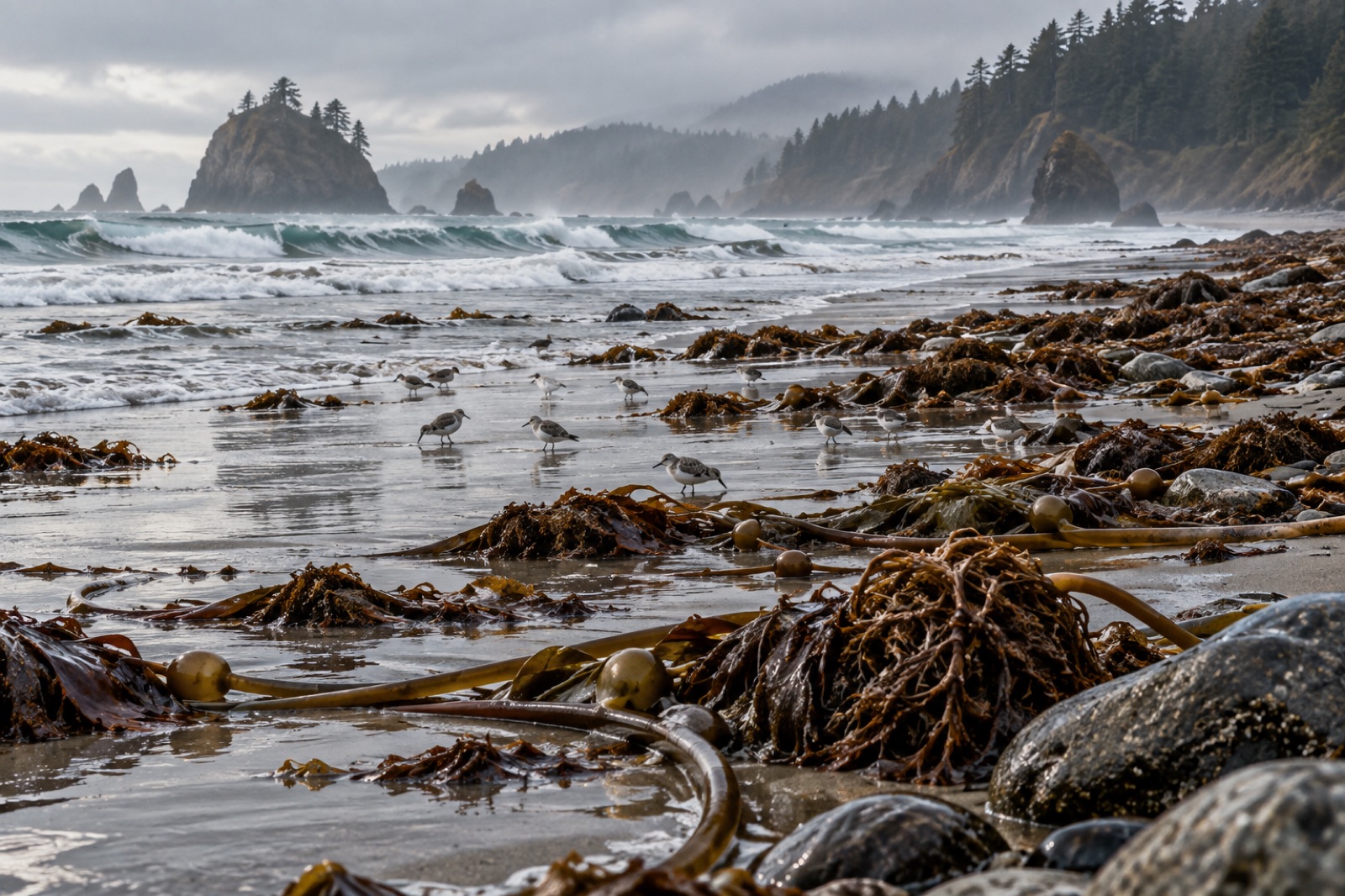
Kelp forests export a share of everything they grow. Here's how drift kelp feeds open water, beach wrack feeds the shore, and why leaving wrack alone matters.
Dr. Mara Ellison ·
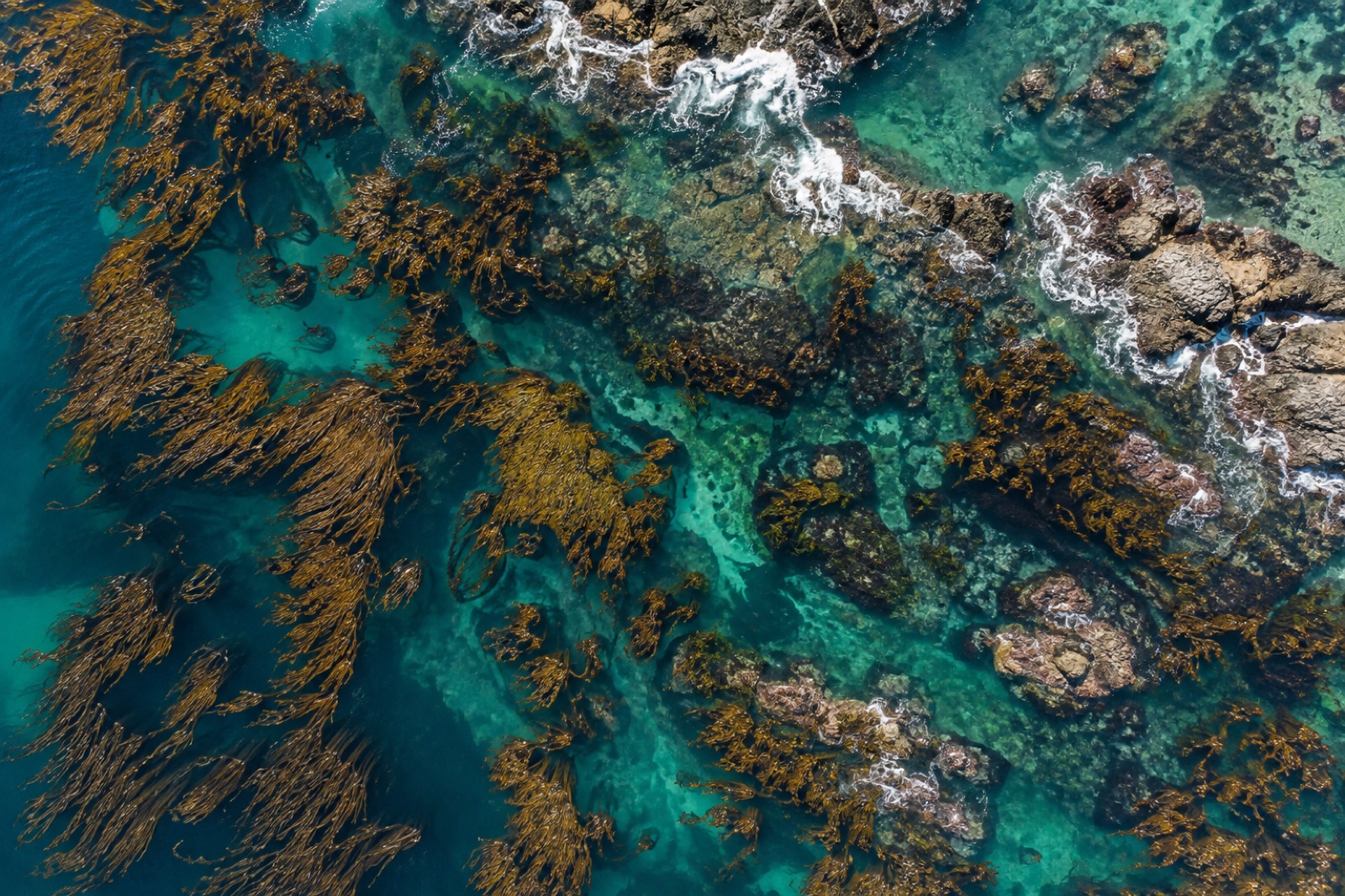
How to plan, fly and process a drone survey over kelp canopy — tides, sun glint, polarisers, ground control — for maps you can compare year after year.
Dr. Mara Ellison ·
Ecosystem engineers are species that physically build or remodel habitats — kelp, corals, oysters, beavers. How the concept works and why it guides restoration.
Dr. Mara Ellison ·
How the ENSO cycle works — trade winds, thermocline tilt, warm pools and global teleconnections — and why the Pacific's mood swings reach every ocean.
Dr. Lena Fischer ·