Science8 min read
Counting Fish With Sound: Acoustic Surveys Explained
How do you count fish you can't see? Acoustic surveys use sonar to turn echoes into biomass estimates. Here's how echosounders work — and their limits.
Dr. Mara Ellison ·
Science hub
Tidewright is a restoration company, but its trust depends on behaving like a research institute: methods published, data open, failures written up with the same care as the wins.
Research programs
Led by Dr. Elias Brandt
Which kelp genotypes belong on which reefs — and which futures. The program maintains gametophyte banks on three continents, maps local genetic diversity before any seeding, and publishes the provenance rules that decide when heat-tolerance selection is justified.
Led by Priya Raman & Dr. Mara Ellison
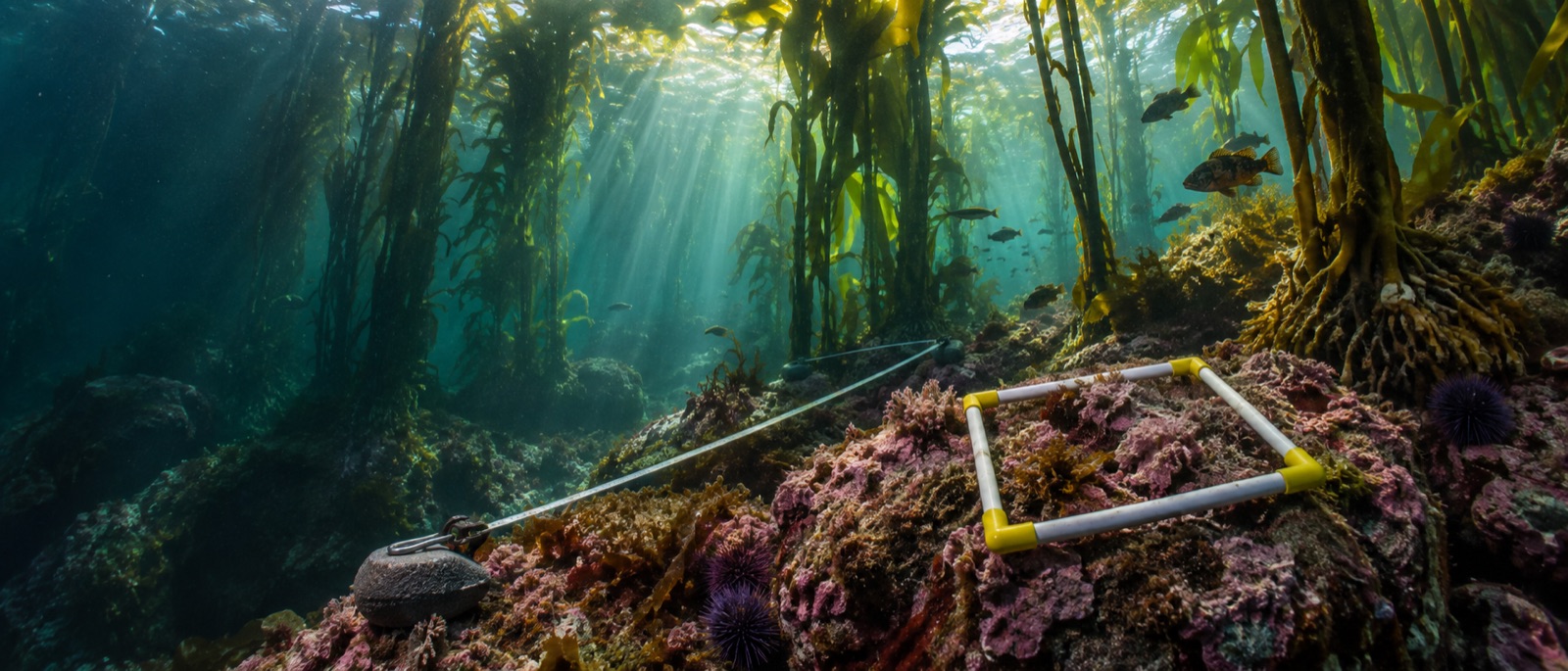
Satellite canopy mapping calibrated against diver quadrats, eDNA transects for the biodiversity satellites can’t see, and carbon accounting conservative enough to embarrass us. Every method note is published; every error bar printed.
Led by Dr. Lena Fischer
Marine heatwave forecasting per coast, site-suitability models under warming scenarios, and the honest discipline of telling partners where restoration won’t survive — before money and hope are spent there.
Led by Naomi Reyes
Holdfast line materials, hatchery engineering, storm-survivable moorings and IMTA layouts — the unglamorous hardware that decides whether the biology gets its chance.
Working papers
TW-WP-2026-04 · 2026
Priya Raman, Dr. Mara Ellison
The third revision of Tidewright’s verification framework adds eDNA-derived biodiversity metrics, tightens permanence accounting to decadal monitoring windows, and publishes every canopy-map error bound alongside the headline numbers.
TW-WP-2026-02 · 2026
Dr. Elias Brandt, Dr. Theo Nakamura
Across 22 restored reefs, heat-selected giant kelp genotypes retained canopy through the 2024–25 warm season at 2.3× the rate of unselected controls (illustrative program data). We publish the provenance rules that govern when assisted adaptation is acceptable.
TW-WP-2025-09 · 2025
Jack Callum, Naomi Reyes
A public engineering review of six hulls and seven seeding seasons: laying accuracy, storm losses, failure modes, and why the boring details of line tension decide whether a forest lives.
TW-WP-2025-06 · 2025
Dr. Mara Ellison, Tom Okafor
Comparing restored sites with reference forests and untreated barrens, we track how quickly fish, invertebrate and cryptic biodiversity returns — and where restoration fails to shortcut succession.
Open data
Every monitoring dataset Tidewright collects is released openly after verification (with cultural and privacy safeguards where rangers or communities hold the knowledge). Researchers elsewhere should be able to find our mistakes before we do.
The same standards whether the answer flatters us or not.
The impact dashboard, the credit ledger and every project page run on one methodology document — the definitions, thresholds and refusal rules that keep our numbers worth trusting.
Speak kelp — 43 terms, defined plainly.
From holdfast to vintage: the anatomy, ocean-climate, carbon-market and hatchery vocabulary behind our science writing, each with a link to the article that goes deeper.
Explainers for everyone
How do you count fish you can't see? Acoustic surveys use sonar to turn echoes into biomass estimates. Here's how echosounders work — and their limits.
Dr. Mara Ellison ·
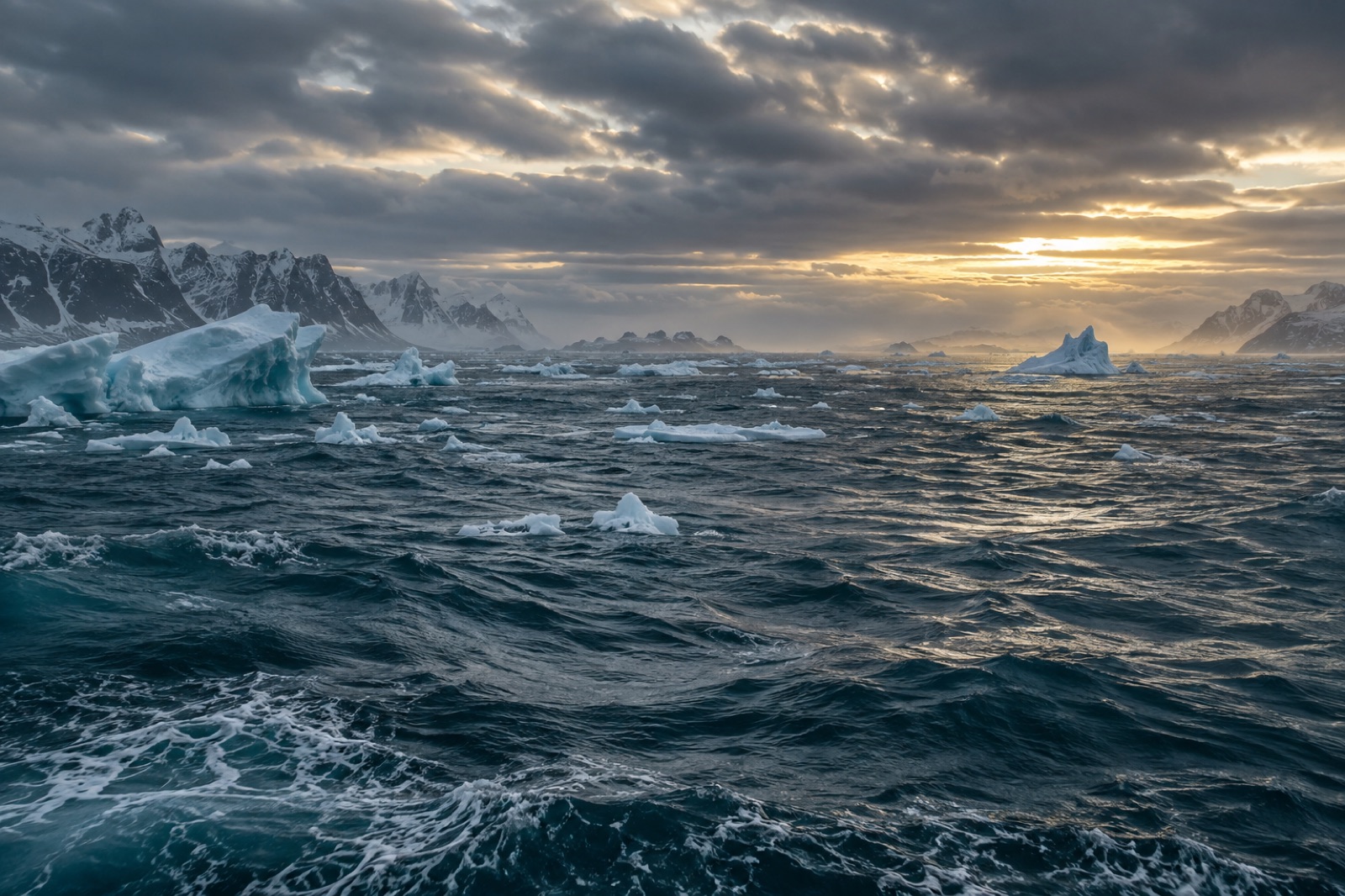
How the Atlantic's great overturning circulation works, what the observations say about its strength, and why its slowing matters for climate and coasts.
Dr. Lena Fischer ·
Some kelps live one season, others many years. What annual vs perennial life strategies mean for forest dynamics, storm recovery — and choosing restoration species.
Dr. Theo Nakamura ·