Careers7 min read
How to Become a Blue Carbon Analyst
Blue carbon analysts turn mangroves, seagrass and kelp into audited tonnes. Here's what the job is, the skills it demands and the practical road into it.
Priya Raman ·
Blue bonds, nature funds and blended finance are moving billions toward the ocean. Here's what blue finance careers look like and how to break into them.
Ten years ago, "blue finance" was a phrase you heard mostly at conferences. Today it names a real, hiring corner of the financial world: funds that invest in sustainable seafood and ocean technology, banks structuring blue bonds, development finance institutions blending public and private capital for coastal resilience, and corporates looking for credible nature investments. The people staffing it are neither pure financiers nor pure conservationists, but a new hybrid the market is still short of. If you want a career where a spreadsheet decides whether a reef gets restored, this is the honest map.
Blue finance is the flow of capital — public, private and blended — toward ocean-positive outcomes. In practice, it spans several distinct arenas:
The common thread: someone has to decide whether a project is real, what the returns look like, and how the risks sit. That someone is you.
The classic entry. You'll screen deals, build financial models, join due diligence calls with founders who speak in salinity and growth rates, and write investment memos that translate "kelp yield per hectare" into revenue forecasts. Expect the standard fund cadence — long hours during active deals — with better field trips than most finance jobs.
Often inside banks or advisory firms. You structure labelled debt, draft use-of-proceeds frameworks, coordinate external reviewers and manage reporting to bondholders. Detail-heavy, credential-friendly work, well suited to people from debt capital markets or sustainability reporting.
On the other side of the table: taking a restoration or fisheries project and making it investable — building the financial model, the monitoring plan, the offtake agreements and the safeguard policies that capital requires. These roles sit in NGOs, social enterprises and project developers rather than funds, and they are where finance knowledge meets mud on boots most directly.
Capital without proof is marketing. Funds and credit buyers increasingly employ specialists in measurement, reporting and verification who can judge whether claimed tonnes of carbon or hectares of habitat are credible. This dovetails with the blue carbon analyst career, and commands a growing premium because credible MRV is the sector's scarcest input.
Corporates and financial institutions need help reporting ocean-related risk and nature impacts under emerging frameworks. Consultants and in-house sustainability teams do this work; it suits people who like regulation-adjacent detail and client-facing explanation.
Blue finance hiring managers describe the same gap: finance people who don't understand ecosystems, and marine people who can't read a term sheet. Be one of the rare ones who does both.
A note on timing: the field is young enough that no single credential defines legitimacy. Published thinking is the asymmetric bet — a well-researched article or open-source analysis of, say, how blue carbon prices are actually discovered will open more doors than a third finance certificate.
Pay tracks the host institution more than the ocean theme. Fund and bank roles pay competitive finance salaries; NGO and project-developer roles pay meaningfully less; development finance and advisory sit between. The premium for genuine hybrid expertise comes with seniority, not entry.
The trade-offs worth naming: the field carries real greenwashing exposure, and part of the job is saying no to things that would look good in a report. Deal flow is uneven and ocean deals are slow — a blue-carbon project can take years from feasibility to issuance, as our project cycle explainer shows. And the market, while growing, is still small: hundreds of specialist seats, not thousands. You enter a frontier, with a frontier's combination of influence and uncertainty.
For the people it suits — those who want markets to fund the ocean's recovery and are willing to do the unglamorous arithmetic that makes it true — few careers put you closer to the decision. At Tidewright, our own commercial team lives at exactly this junction, structuring the offtakes, credit sales and partnerships described across our carbon buyers solution page. Someone had to build those numbers. Increasingly, that someone could be you.
No single degree is required. Funds and banks favour finance, economics or business backgrounds; project developers and MRV roles often hire marine scientists and teach them modelling. What matters is demonstrable strength on at least one side plus credible fluency on the other.
Blue carbon is one market within blue finance. Blue finance also covers blue bonds, sustainable seafood investment, ocean-tech venture capital, maritime transition finance and nature-risk disclosure. Many professionals work across several of these.
Mainstream credentials (CFA/ESG certificates, sustainable finance qualifications) help at funds and banks. For developer-side roles, practical knowledge of carbon standards and demonstrated project work beats certificates. Language skills and emerging-market experience are underrated advantages.
Small but growing — this is a frontier, not a sector. That's the attraction: seniority comes quickly, your work is visible, and the market is expected to expand substantially as ocean disclosure rules and nature markets mature. But don't expect thousands of openings; build a position and relationships.
Yes, but selectively — mostly via analyst seats at sustainable-finance teams, development bank graduate programs, or carbon-market firms. Most people arrive after two to four years somewhere adjacent. That detour isn't wasted time; it's where you earn the fluency the hybrid role requires.
Blue carbon analysts turn mangroves, seagrass and kelp into audited tonnes. Here's what the job is, the skills it demands and the practical road into it.
Priya Raman ·
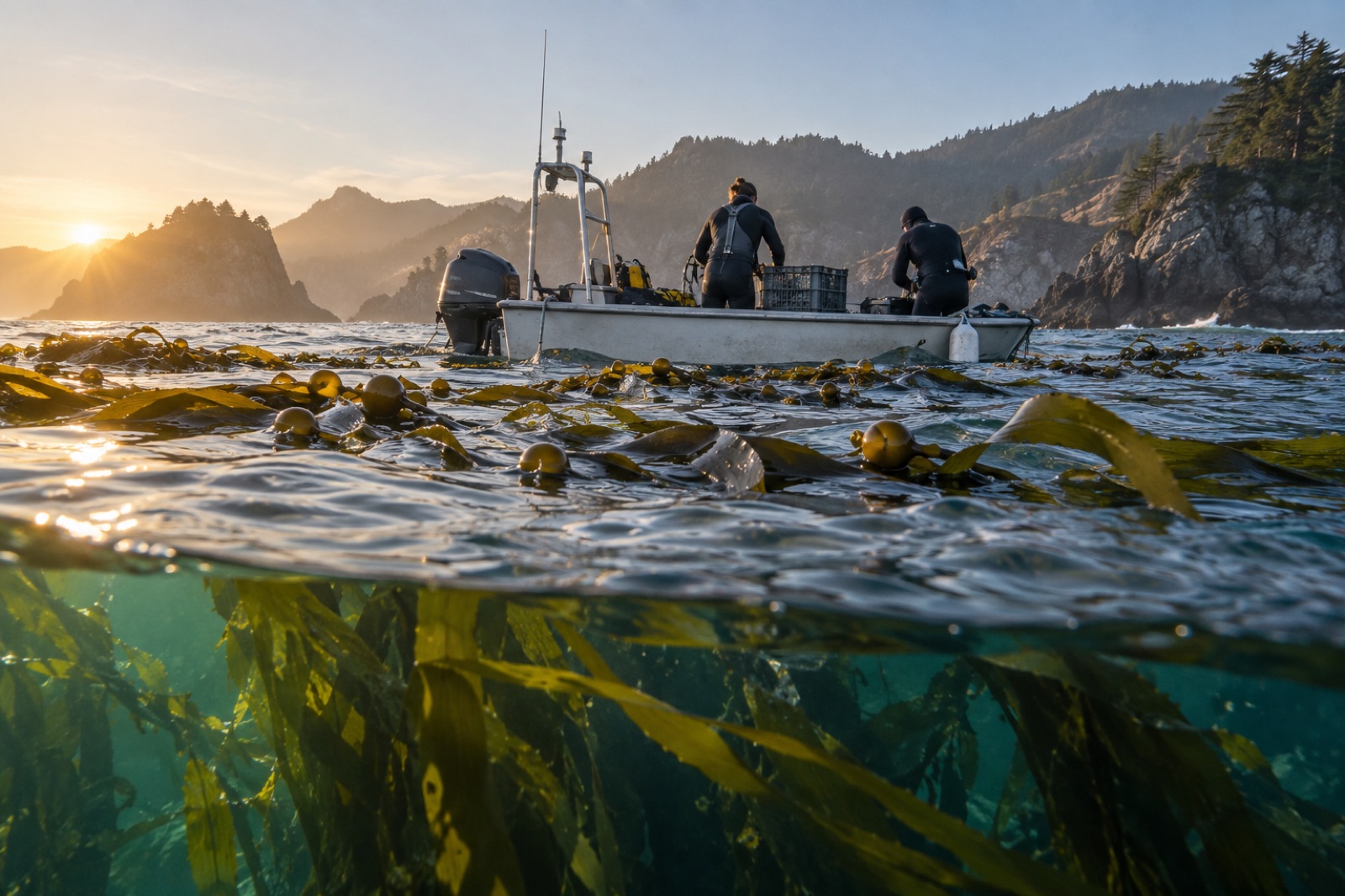
Marine conservation careers span rangers, policy staff, restoration crews and data scientists. Here is an honest map of the routes in, the pay, and the skills that matter.
Dr. Mara Ellison ·
A practical guide to ocean data science careers: the data types, the skills that matter, how to enter the field, and where marine data jobs actually exist.
Priya Raman ·