Every university marine lab, public aquarium, research station and underwater film production shares a quiet dependency: a person whose job is to make sure every diver comes back. The dive safety officer — DSO — writes the dive manual, vets every diver's credentials, maintains every regulator, plans for the emergencies nobody wants to imagine, and has the authority to cancel any dive, full stop. It is one of the most responsible jobs in the diving world, and one of the least visible. If you're an experienced diver drawn to systems, standards and other people's safety, this may be your ceiling job — and it's a good one.
What a dive safety officer actually does
The core of the role is custody of a diving program — usually called "institutional" or "occupational scientific" diving, meaning diving done as work by staff and students, under the organisation's duty of care. Concretely, a DSO's week mixes four kinds of work:
Governance. The DSO typically serves a dive control or safety board, maintains the diving safety manual, sets training standards, and writes or reviews the standard operating procedures for everything from checkout dives to emergency oxygen administration. The paperwork is the job — because in an incident investigation, the paperwork is the record of your care.
People management. Scientific divers arrive with wildly varying backgrounds: recreational instructors, ex-commercial divers, biologists who learned to dive last year. The DSO evaluates each one — reviewing logs, running watermanship assessments and skill checkouts — and decides who is cleared to dive, under what supervision, at what depth. Diplomacy matters as much as judgment; telling a senior professor they need a refresher is a skill.
Equipment custody. Regulators, cylinders, compressors, BCDs, emergency oxygen kits, sometimes rebreathers and mixed-gas systems — the DSO owns inspection schedules, technician-level servicing and purchase decisions. Many DSOs hold regulator-servicing qualifications from major manufacturers and visual-inspection credentials for cylinders.
Emergency readiness. Dive accident management plans, evacuation agreements with hyperbaric facilities, oxygen administration protocols, first-aid training, and drills — so that the bad day, if it comes, is rehearsed. Most DSOs also dive regularly themselves, leading checkouts, supporting research and staying current.
Where DSOs work
- Universities and research institutes — the largest employer group. A marine science department with an active underwater program needs a DSO as a condition of its insurance and its ethics.
- Public aquariums, where staff dive daily in exhibits — a unique environment with confined spaces, animals and the public watching. Aquarium DSO roles blend diving oversight with exhibit husbandry; our piece on working at a public aquarium covers the wider staff picture.
- Museums and film/television productions — media diving safety is a growing niche, with productions required to meet occupational diving standards.
- Government agencies — fisheries departments, environmental regulators and coast management bodies run in-house diving for surveys and inspections.
- Restoration and aquaculture operators — a newer frontier. Companies fielding dive teams for farm work or restoration projects increasingly formalise diving safety, mirroring how dive crews operate among the lines in farm dive operations.
The certification ladder
There is no single global "DSO licence" — the role is assembled from credentials, experience and appointment by a dive control board. But a realistic route looks like this:
- Professional-level recreational certification. Divemaster as a minimum; instructor-level certification is common and strongly preferred, since training divers is core to the role. Our guide to becoming a scientific diver covers the early rungs.
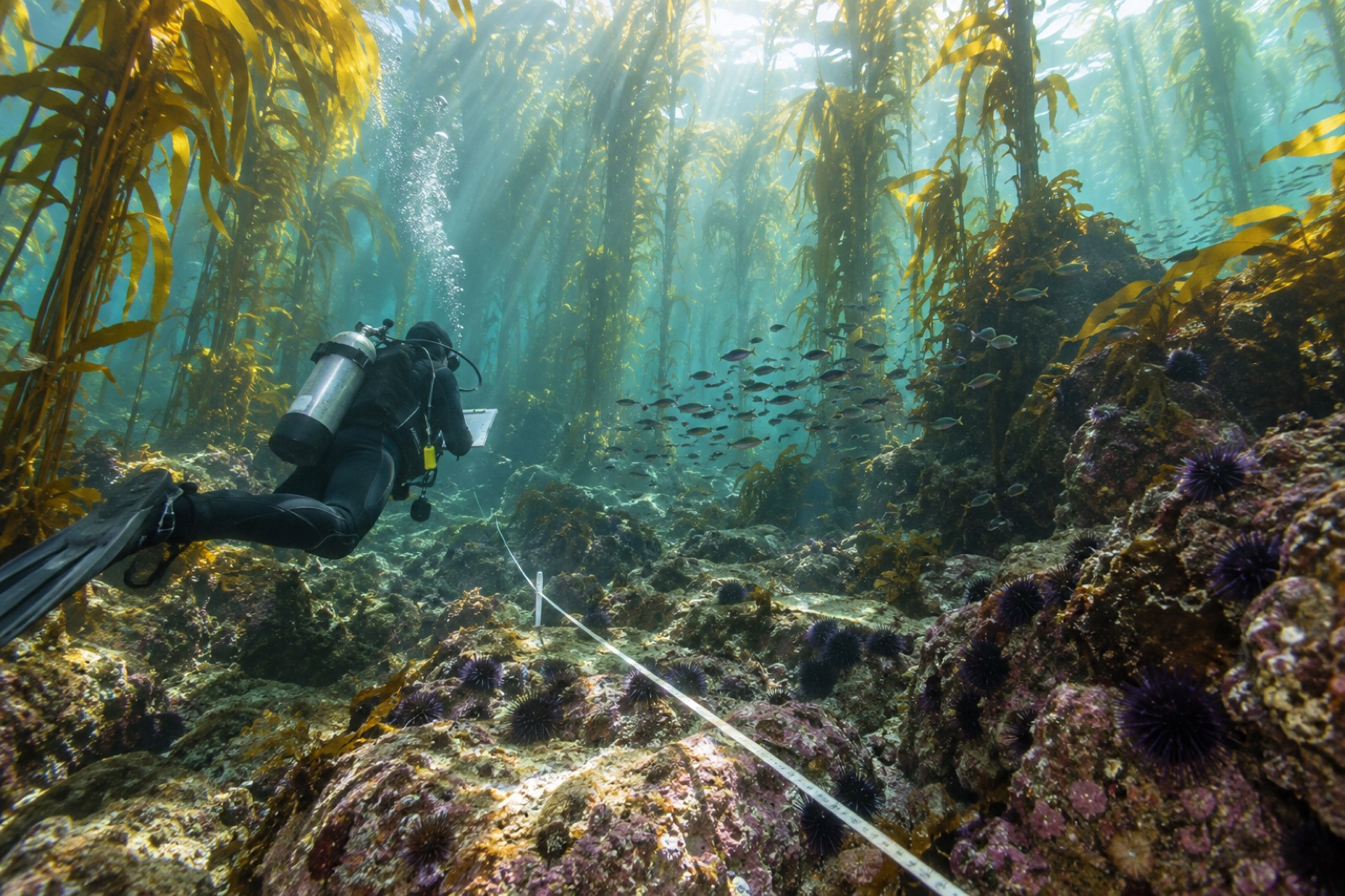
- Scientific diving qualification. In most countries, scientific diving under an institution requires completion of a recognised scientific diving course with substantial logged experience — commonly 100+ career dives across varied conditions.
- Technical and specialist training. Emergency oxygen provider, advanced first aid, CPR instructor-level, regulator servicing technician certification, cylinder visual inspection, compressor operation. Nitrox is standard; rebreather and mixed-gas endorsements widen your market.
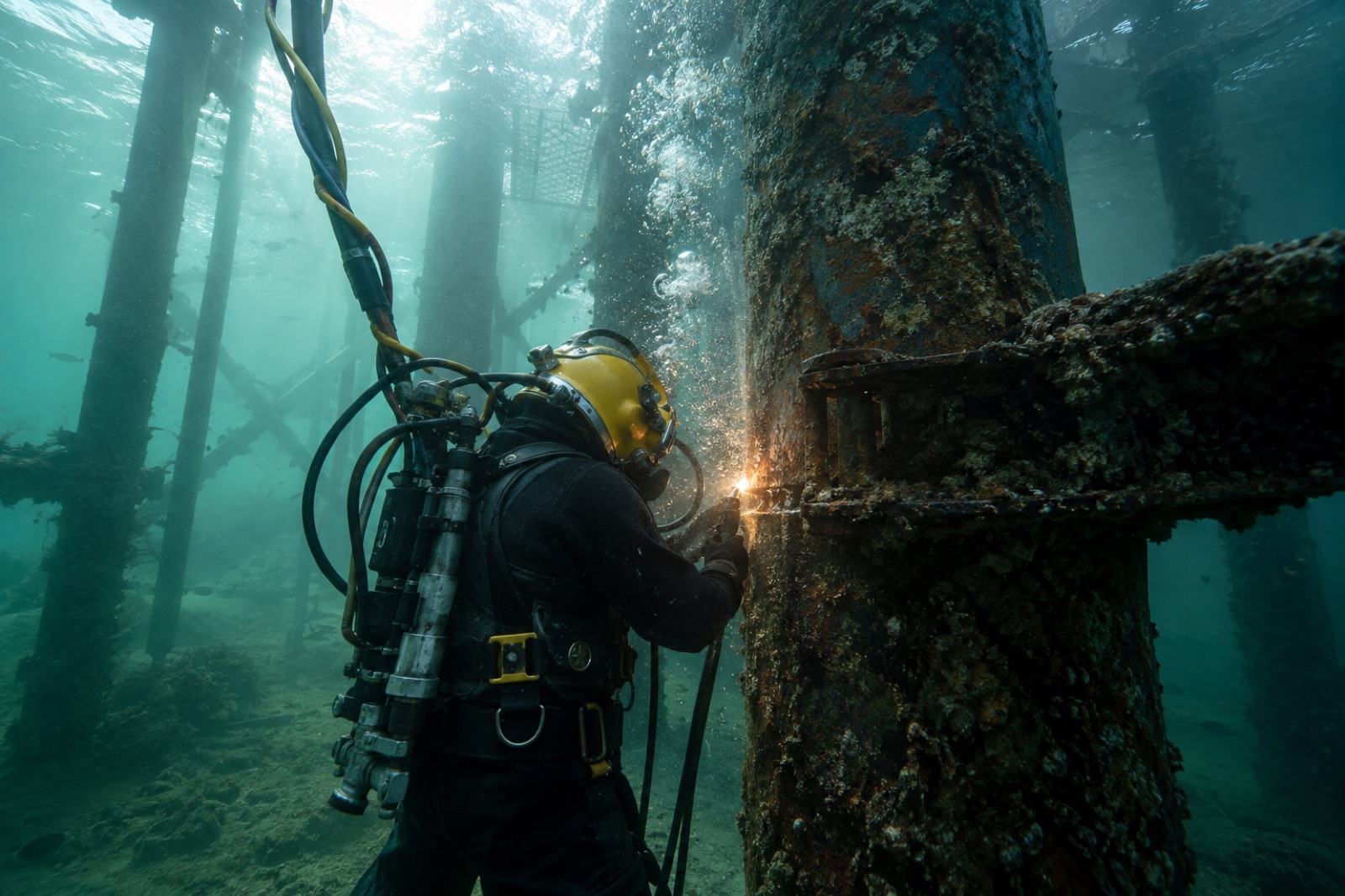
- Occupational diving knowledge. Understand the regulatory framework that governs workplace diving in your country, what it requires of employers, and where it defers to scientific diving programs. Note the distinction from commercial diving — saturation, surface-supplied and construction diving are a separate world with their own tickets, detailed in our commercial diving career path.
- Reputation. DSO appointments are board decisions. Boards appoint people they trust — which means people whose logs, references and temperament have accumulated over years.
Realistic timeline from open-water certification to a junior DSO or assistant DSO seat: five to eight years, including a few thousand dives if you want the strongest applications — though many serve with fewer, built across varied environments, which boards value more than raw numbers.
Pay, lifestyle and progression
Pay resembles other senior technical-professional roles at universities and aquariums: above a typical scientist's bench salary, below private-sector commercial diving day rates. The compensation is partly stability — DSO roles are usually permanent, salaried and shore-based, unusual gifts in diving careers. Days start at the office and end at the office, with decompressor-chamber-heavy jobs and offshore campaigns as scheduled exceptions.
Progression runs from assistant DSO (supporting a program, often alongside a curator or lab manager role) to DSO, to senior DSO or diving operations manager overseeing multiple sites. Some DSOs move sideways into training organisations, hyperbaric medicine support, or safety consulting for film and scientific expeditions. The role also pairs naturally with field science: many DSOs came up through survey diving work and keep a research involvement.
Lifestyle honesty: you carry a pager, metaphorically if not literally. When a dive goes wrong anywhere in your program, it is your phone that rings. The role selects for calm, process-driven people who find that weight meaningful rather than unbearable.
How to position yourself now
If you're mid-journey, three moves compound fastest. First, log everything, professionally — a meticulous dive log with varied conditions (night, cold, altitude, current, overhead, low visibility) is your primary credential. Second, collect the technician tickets — regulator servicing and compressor operation signal that you take custody seriously, and they make you employable before you're appointable. Third, train divers — instructional experience is what turns a strong diver into someone a board trusts with other people's divers. Any aspiring DSO should also be practicing the standard of briefing and team discipline described in our guide to buddy diving in kelp forests — institutional safety culture is built one conservative briefing at a time.
For divers assessing which operators model good safety culture, the checklist in choosing a responsible dive operator is equally a checklist of what your future program should look like.
At Tidewright, DSO-type oversight lives inside our field operations: every Drifter deployment support dive and Holdfast nursery inspection dive runs under a written plan and a named dive supervisor, because a restoration company that can't keep its own divers safe has no business asking councils to trust it offshore (see our platform). Someone holds that risk register for us. In this industry, someone always should.
Key takeaways
- The DSO owns an institution's entire diving program: standards, personnel clearance, equipment custody and emergency readiness.
- Employers are universities, aquariums, museums, film productions, government agencies and increasingly restoration operators.
- The credential stack is assembled, not issued: professional instructor-level certs, scientific diving training, servicing and emergency qualifications, then board appointment.
- Expect 5–8 years from first certification to an assistant DSO seat; meticulous logs and instructional experience compound fastest.
- Pay is stable professional salary rather than commercial day rates — traded for permanence, purpose and being shore-based.
FAQ
What's the difference between a DSO and a commercial diving supervisor?
A commercial supervisor runs industrial diving operations — construction, inspection, sat diving — under commercial certification regimes. A DSO runs institutional scientific or aquarium diving programs under occupational/scientific frameworks. Different regulations, different equipment philosophies, different day shapes. Some people hold both backgrounds, but the jobs are distinct.
Do I need to be an instructor to become a DSO?
Formally, not always — but practically, usually. Boards overwhelmingly appoint instructor-level divers because evaluating and training divers is central to the role. Divemaster is the realistic floor for assistant roles; instructor ratings substantially widen your options.
Can a DSO still do their own research or guiding?
Often, yes. Many DSO roles are fractional or blended with curatorial, technical or research duties — particularly at smaller institutions. Some DSOs maintain their own scientific diving projects alongside oversight, though the safety role always takes precedence.
Is rebreather experience required?
Not required at most institutions, but increasingly valued — aquariums and advanced research programs use rebreathers for quiet, long dives. Each specialist system you can oversee (nitrox, rebreathers, mixed gas) expands the programs you can run and the employers who need you.
What's the hardest part of the job?
Most DSOs say the same thing: saying no. Cancelling a planned expedition, grounding a senior scientist, or refusing to clear a likeable, keen diver who isn't ready. The whole culture of the program flows from whether those calls get made consistently — and how kindly.