Explore9 min read
Freediving Safety Basics: The Buddy Rules That Save Lives
Freediving is beautiful and quietly unforgiving. The core safety rules — one up, one down, never hyperventilate, know blackout — with the science behind each.
Tom Okafor ·
Blackouts arrive without warning and the buddy is the rescue. Active supervision, blackout response and incident recovery for freedivers, step by step.
Every freediving course spends half a day on the rules that prevent accidents — don't hyperventilate, one up one down, structure the session conservatively — and then drills the other half of the story: what you actually do when the rules weren't enough and a diver stops behaving like a diver. This article is that second half. It assumes the prevention framework from our freediving safety basics and goes straight at the practical skills: active surface supervision, the thirty seconds of watching that catch a blackout early, the in-water response step by step, samba management, and what a good team does after an incident. Read it, then practise the drills with your regular buddies in shallow water, because a rescue that has only ever been read is not a rescue.
Most real-world buddy failure is positional: one buddy is nominally "on the surface" but is actually fiddling with a camera, watching a seal, or floated twenty metres away by current. Supervision that works has concrete mechanics:
A supervisor who has done all four has converted blackout from a drowning into a scoop-and-support exercise — which is what it is, most of the time, when someone competent is watching.
Recognition is faster than diagnosis. In the water you are not judging "hypoxia secondary to ascent" — you are pattern-matching behaviour:
Act on the pattern. Divers sometimes feel silly supporting a buddy who "might be fine"; the price of an unnecessary support hold is a moment of awkwardness, and the price of a missed one is measured in minutes underwater.
This is the sequence every accredited freediving course rehearses. Learn it on a course; use this as the mental checklist.
If the casualty was at depth when it happened, the same principles apply on the way up: secure them, get both of you ascending, and dump the casualty's weight belt so physics is on your side. This is exactly why divers weight to be neutrally buoyant shallow rather than positive-heavy at depth — a blacked-out diver should want to float home.
A loss of motor control at the surface is an emergency in progress, because the swimmer's next wobble can put the airway under. The response is calm, physical and short:
A samba ends the dive day for that diver. No negotiation, no "one more shallow one." Hypoxia is cumulative over a session, and the diver who sambas at the end of dive three is rehearsing something worse for dive five.
The incident isn't over when the diver says they're fine:
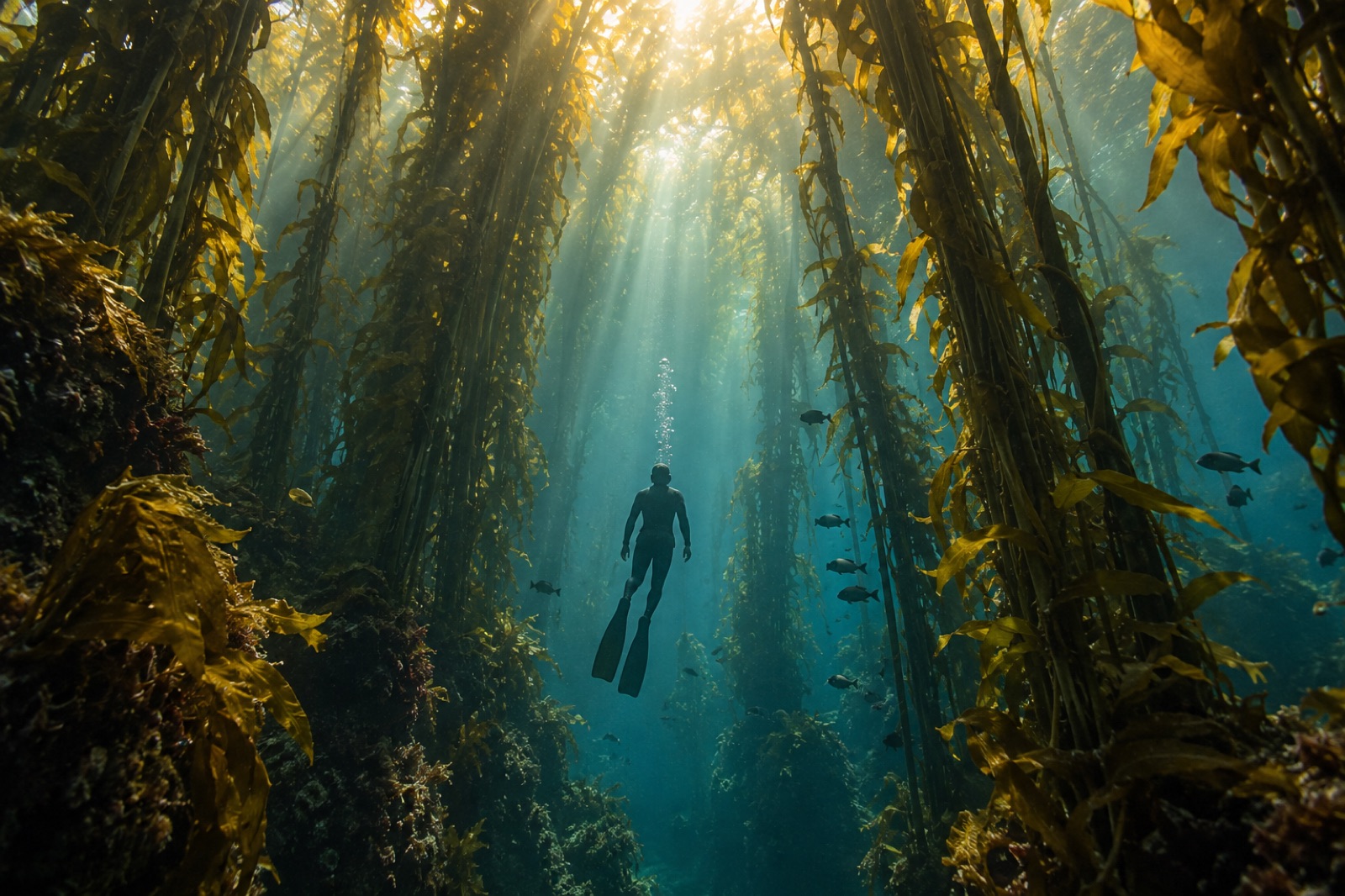
The teams that handle incidents well share a boring precondition: they rehearse. Rescue drills in two metres of flat water — approach, support, mask off, blow-tap-talk, tow, extract — take twenty minutes at the end of a session and are, frankly, a decent workout. Kelp adds its own demands: canopy entanglement, surge, and poor visibility from below mean the supervisor's station-keeping and signal discipline matter even more than on open blue water; see our guides to freediving in kelp and snorkel safety on kelp coasts for the site-specific layer. And none of this replaces the course: book one, take the rescue module seriously, and expect any operator or club you dive with to treat it as the standard.
Survivable windows are measured in minutes, not seconds, once the airway is kept dry — which is precisely why supervision converts blackouts from fatalities into recoveries. Speed still matters enormously; the rescue skills above work because the clock permits them when startled help arrives promptly.
Only if you genuinely can: depth rescue is a trained skill that risks two casualties instead of one. Most recreational supervisors should stay at the surface, watch the diver's position, and call for help — one reason to dive sites and depths where direct-reach supervision is realistic.
Alternating is exactly right, provided the diver at the surface is doing the four supervision tasks above. What doesn't work is one-up-one-down in name only: drifting out of reach, shooting video, or running simultaneous dives "because it's shallow today."
Yes — an LMC is a hypoxic event too, and the next event in the sequence is blackout. That's why the response is immediate airway support and an unconditional end to that diver's session.
Any accredited freediving course includes blackout and LMC management, rescue towing and extraction drills — for kelp and spearfishing sessions, verify that your instructor or operator runs realistic surface-rescue scenarios, not just classroom slides.
Freediving is beautiful and quietly unforgiving. The core safety rules — one up, one down, never hyperventilate, know blackout — with the science behind each.
Tom Okafor ·
Freediving a kelp forest is the purest way to meet the reef. Learn blackout-safe practice, one-up-one-down buddying, and etiquette for breath-hold diving in kelp.
Tom Okafor ·
Kelp forests are safe, magical snorkeling — if you respect cold water, surge and canopy. Skills, gear, hazards and spots for your first kelp snorkel.
Dr. Theo Nakamura ·