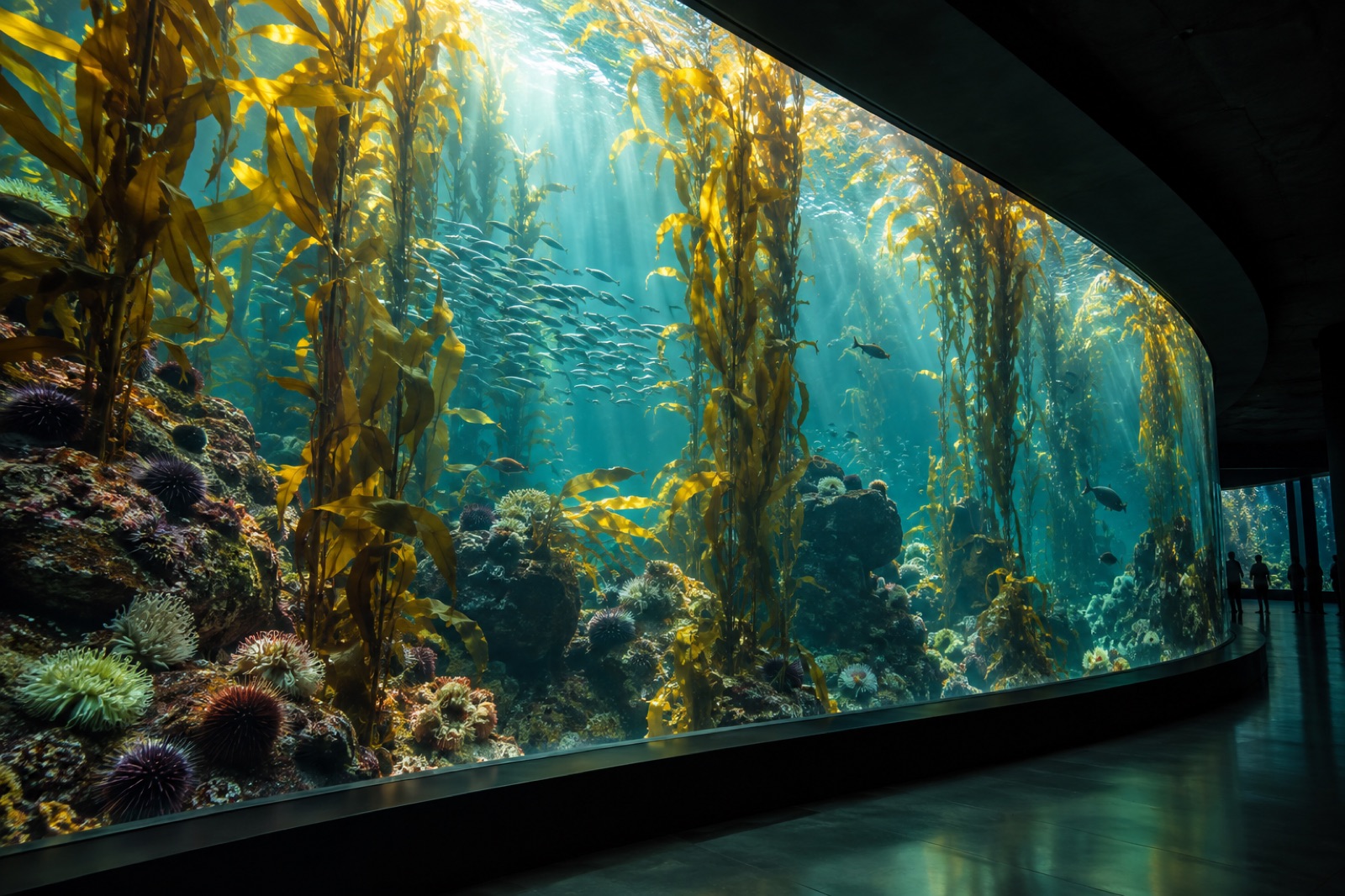
Belt Transects and Quadrats: How Ecologists Count a Kelp Forest
Belt transects and quadrats turn a kelp forest into numbers: who lives where, at what density. How these classic survey methods work, and why they endure.
Dr. Mara Ellison ·
10 articles
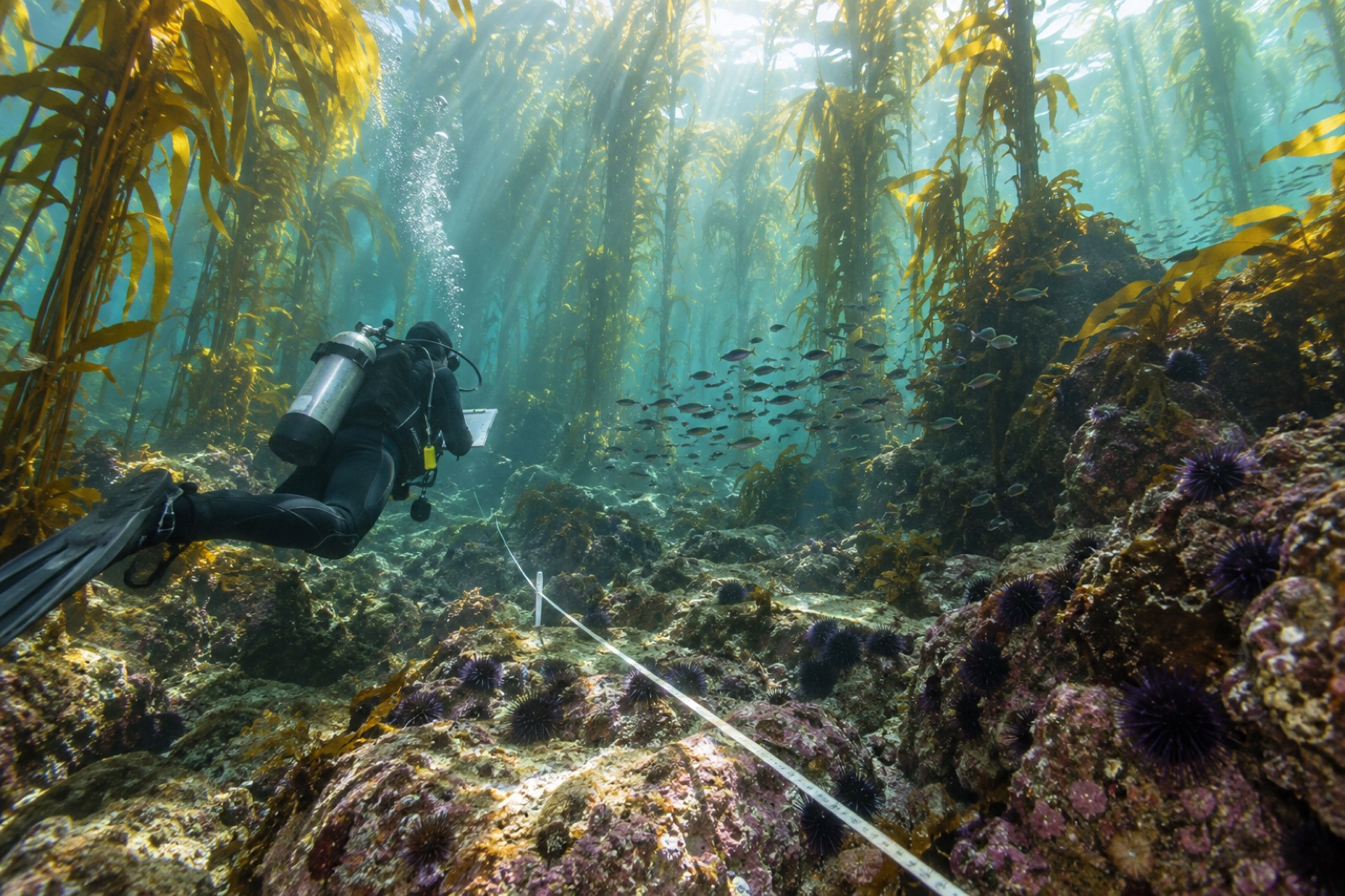
Belt transects and quadrats turn a kelp forest into numbers: who lives where, at what density. How these classic survey methods work, and why they endure.
Dr. Mara Ellison ·
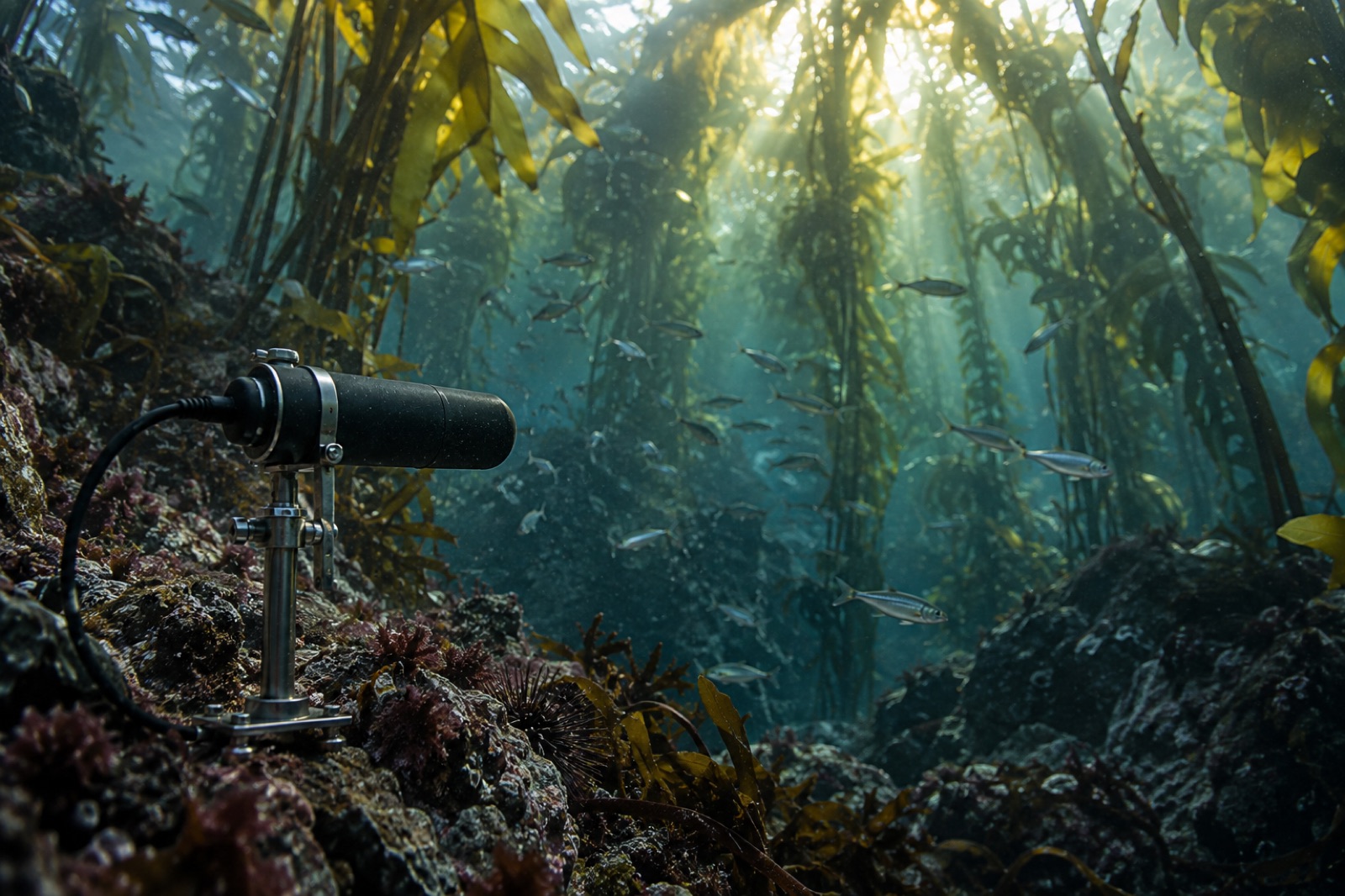
Environmental DNA lets scientists detect whole ecosystems from a bottle of seawater. Here's what eDNA lab careers look like — the skills, routes and reality.
Dr. Elias Brandt ·

Ecological survey diving is real paid work — transects, counts and monitoring for agencies, consultancies and restoration programmes. Here's how the market works.
Tom Okafor ·

Careers in ocean acoustics and bioacoustics — hydrophones, soundscape analysis, machine learning on whale calls, employers, training and pay, honestly laid out.
Dr. Mara Ellison ·

Aquarists, life-support operators, vet teams and educators keep aquariums alive. An honest map of careers behind the glass — and how volunteering opens the door.
Jack Callum ·
Why the sea is salty, why it's slightly alkaline, and why its pH is drifting. A gentle but rigorous introduction to the chemistry that rules marine life.
Dr. Lena Fischer ·
Catalina Island is southern California's kelp capital — Casino Point, Farnsworth Bank, warm-water giants and a century of marine science under the canopy.
Dr. Mara Ellison ·
Decade-scale reef time series are the unglamorous backbone of kelp science. Here's what continuous monitoring reveals that snapshots never can — and why cuts hurt.
Dr. Mara Ellison ·
Fisheries managers turn stock science and politics into catch rules that keep both fish and fishers afloat. The path in, the skills, the day-to-day.
Dr. Mara Ellison ·
Fisheries observers collect the data that quotas, closures and stock science stand on. What the job involves, how to get in, and who it suits.
Jack Callum ·