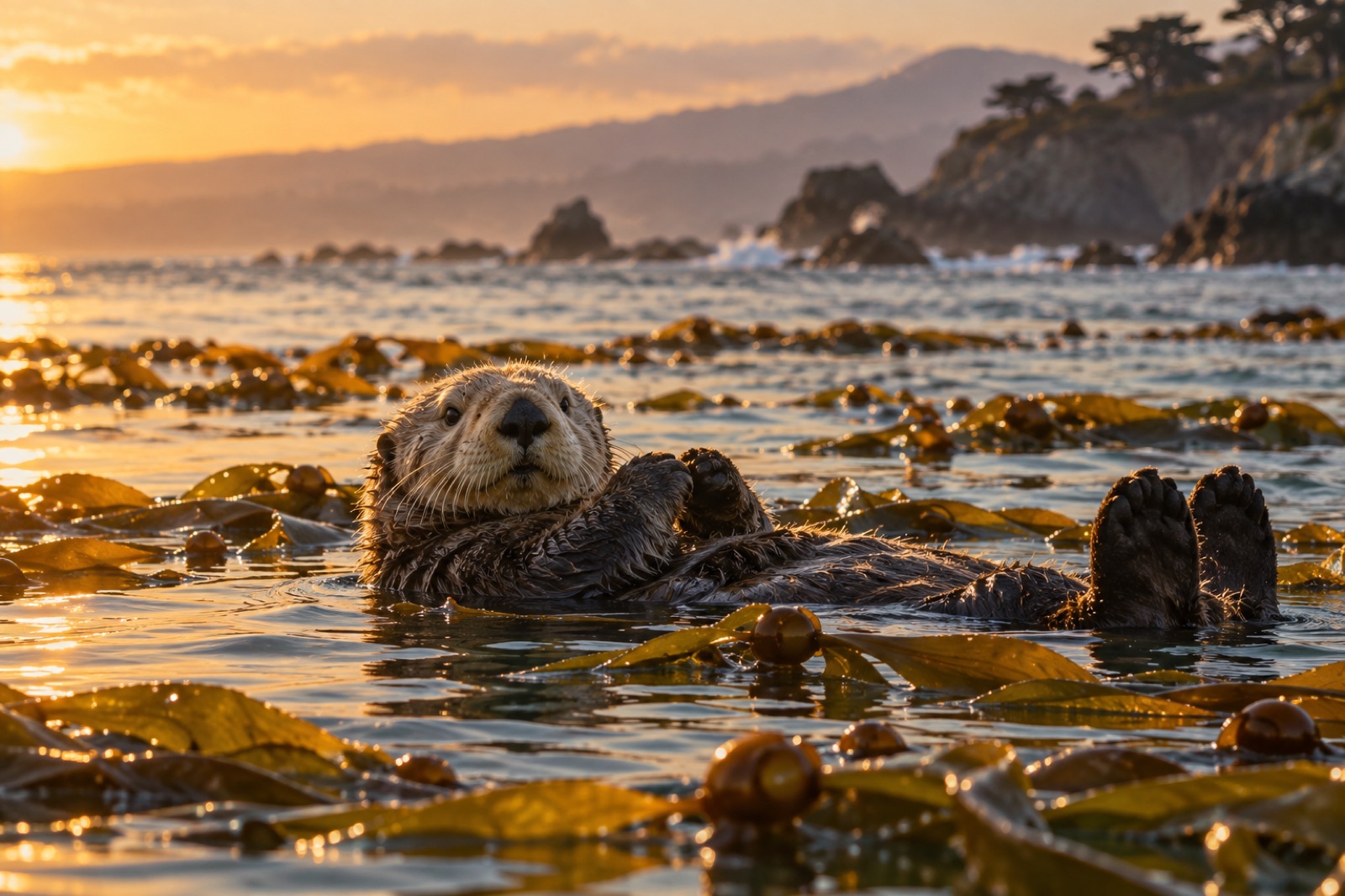
The difference between ten miserable minutes and two enchanted hours over a kelp forest is almost always gear. Kelp grows where the water is cold — typically 10–18 °C — and snorkellers feel it more than divers do, because you're at the surface, barely exercising, half in the wind. This guide is the complete kit for staying warm and sharp: what thickness suit for what water, hoods and extremities, masks and snorkels and fins that work in the cold, weighting a thick suit, and the surface habits that make cold-water days a pleasure instead of an endurance test. Pair it with our cold-water snorkelling safety guide before your first trip.
Warmth is the whole game
Snorkelling looks gentle, and thermally it isn't. You are horizontal at the surface with most of your back out of the water in the wind; your activity level is low; and every litre of water that flushes through a loose suit collar carries away heat. A diver at 12 °C is generating heat working against buoyancy and current like a hiker; a snorkeller at 12 °C is lying still like somebody in a chilly bath with a ceiling fan on. The rule we use: kit yourself one step warmer than a diver would for the same water. Then add a windproof layer to change into the moment you get out.
Shivering is not a character-building exercise — it's a warning sign. Cold hands lose dexterity for clearing a mask; a cold brain makes slow decisions near swell and rock. Gear that keeps you truly warm is safety equipment.
The wetsuit: your core kit
A good wetsuit insulates by trapping a thin layer of water that your body heats and keeps — warmth depends far more on fit than brand. A suit that flushes at the neck or lower back is a radiator, not insulation. Try before buying; bend, squat, reach.
Rough thickness guide for snorkellers:
| Water temp (°C) |
Suggested kit |
| 18–22 |
3/2 mm full suit, no gloves |
| 14–18 |
5/4 mm or 5 mm + hooded vest |
| 10–14 |
7 mm + 3–5 mm hood, gloves, boots |
| Below 10 |
7 mm system + careful planning — or a guided trip |
The hooded vest is the cheat code
A 2–3 mm hooded vest worn under or over a wetsuit is the best value item in cold-water kit. It puts insulation over the core, seals the collar — the biggest flush point — and gives you a hood. A mixed 5 mm suit with a vest over it can out-perform a 7 mm alone because of that neck seal.
Cold-water alternatives
A semi-dry suit (tighter seals, smoother neck closures) sits between wet and dry and suits the 12–16 °C band. You can snorkel in a drysuit, but its buoyancy is awkward at the surface, and it's overkill unless you float for hours in very cold water watching sea otters or similar wildlife. Rental drysuit snorkel tours exist in cold-water destinations like Alaska and Iceland — a great way to try the coldest water without buying the kit.
Head, hands, feet
You lose a disproportionate share of heat through your head and extremities, and in cold water these are the difference between comfort and misery.
- Hood: 3 mm in cool water, 5 mm in cold. A hood with a short bib that tucks into the suit is the warmest option. Practice breathing past it; some people feel claustrophobic the first time.
- Gloves: 3 mm five-finger gloves preserve dexterity for mask clearing and cameras; 5 mm lobster mitts are warmer but clumsy. Note that some marine reserves discourage gloves to discourage touching — check local rules, and don't touch regardless.
- Boots: 5 mm dive boots with a firm sole over optional 2 mm neoprene socks. Rocky entries over barnacle shelves demand real sole protection — our shore-entry planning guide covers why your entry may be the coldest and most hazardous part of the day.
Cold extremities are contagious: once your hands go, your morale follows, and you fight your gear instead of enjoying the reef.
Mask, snorkel and fins for cold water
Mask
Any snorkel mask works; cold water rewards a few choices. A low-volume mask is easier to clear with numb fingers; a wide field of view (single-lens or good frameless) matters in the darker, greener light of kelp country. Anti-fog: scrub a new mask's lens with non-gel toothpaste to strip the factory film, then use commercial defog or diluted baby shampoo, rinse it well, and spit as a reliable backup. Cold water fogs less than warm — condensation loves a temperature gap where your face is warmer than the water.
Snorkel
Keep it simple. A flexible-bore snorkel with a purge valve is the best cold-water compromise: the flex mounts swing the tube out of the way under your mask strap, and the purge clears water with one breath when your lips are too numb for a sharp blast. Full dry-top snorkels prevent splash-in but their buoy mechanisms can stick partially shut in some conditions — if you like one, test it thoroughly in a pool first. In kelp, a simple tube that clears easily beats a gadget you don't trust.
Fins
For snorkellers, the best cold-water fin is an open-heel fin worn over your dive boot — one system, one fit, warm feet, easy on-off at rocky exits. A bungee or spring heel strap is worth it with cold, clumsy hands. Mid-length, medium-stiffness blades are the sweet spot: enough push to make headway against kelp-line current, but nimble enough for slow hovering over reef. Very long freediving blades are wonderful tools if you later get into freediving in kelp, but they're awkward at the surface between dives and hard on untrained ankles.
Weight, float and the rest
A thick wetsuit is buoyant at the surface — 7 mm of neoprene in head-to-toe requires several kilograms of lead on a weight belt just to get comfortably under the surface film. Get properly weighted: enough that you exhale and sink gently a little, with the quick-release buckle free to drop with one hand. Snorkellers are often tempted to dive overweighted for easy duck dives — don't. At the surface, overweighting plus a flooded snorkel is a real struggle.
- A bright tow float / surface marker is the unsung hero of kelp snorkelling — it makes you visible to boats, gives you a rest point, and carries a flag. In coastal boat traffic it's not optional.
- A whistle or small air horn on the float gets attention in noise and spray when a shout can't.
- A slate or ID card for kelp forest wildlife adds joy: after the first hour you'll be naming everything.
The strategy of a cold-water day's snorkelling
Cold-water snorkelling rewards a rhythm: short, sweet, repeat. Plan 45-minute sessions rather than a single long float. Get out before you're shivering — by the time you're noticeably cold, your re-warming job is much bigger. Between sessions: dry robe or windproof coat on immediately, warm drink, snacks, shelter from wind. Beware afterdrop — your core temperature keeps falling for several minutes after exit as cold peripheral blood recirculates, so layer up even if you feel fine. Our snorkel safety guide covers buddy plans and conservative exit decisions; for the world's gentlest starter sites, see our Cape Peninsula snorkelling guide.
Budget and renting: where to spend first
If you're building a kit on a budget, buy in order: mask, snorkel, fins first — fit and hygiene items, cheap relative to suits, and ones you'll use in any water. Rent the wetsuit, hood and boots at your destination until you know what your local water temperature and commitment level justify. When you do buy a wetsuit, spend on fit, not features; a $200 suit that seals beats a $400 suitcase of cold leaks. Check that the rental hood actually fits — a gaping hood cinch on a 12 °C day is the classic rental trap.
Kelp water is the world's most rewarding cold snorkelling — cathedral light under the canopy, big fish, small wonders — and the cold is real but entirely solvable. Dress one step warmer than the water suggests, guard your extremities, time your sessions, and it stops being endurance and becomes easy.
Key takeaways
- In water below ~18 °C snorkelling is a thermal management exercise: dress one step warmer than a diver would.
- A 5–7 mm full suit plus hooded vest, hood, gloves and boots covers most kelp-forest water; fit beats brand.
- Open-heel fins worn over boots is the cold-water snorkeller's system; a simple flex purge snorkel beats gadget snorkels.
- Weight yourself properly for the thick suit (quick-release clear), and use a bright tow float in any boat traffic.
- Short, planned sessions with a windproof layer ready on shore keep cold-water days joyful instead of endured.
FAQ
Is a 3 mm wetsuit enough for cold-water snorkelling?
In water around 18–20 °C, usually yes for an hour or so. Below that, most people get cold fast — at 14 °C you want 5 mm plus accessories; at 10–12 °C a 7 mm system. When in doubt, overdress; you can always flush a little water to cool down.
Can you snorkel in a drysuit?
You can, but it's awkward: the suit's air shifts at the surface and buoyancy is exaggerated. For casual cold snorkelling, a thick wetsuit or semi-dry is easier. Drysuit swim tours are a fine way to try very cold water under supervision.
Do I really need gloves?
In water below ~14 °C, yes — cold hands lose the dexterity you need to clear a mask and manage your kit. Some marine reserves discourage gloves to discourage handling wildlife; check local rules, and keep your hands to yourself regardless.
How do I stop my mask fogging in cold water?
Scrub the factory film off a new lens with non-gel toothpaste, then use commercial defog or diluted baby shampoo, well rinsed. Spit is the age-old backup. Cold water fogs less than warm — mask hygiene does most of the work.
How cold is too cold to snorkel?
There's no absolute number — guided ice and sub-10 °C snorkelling exists — but for most recreational snorkellers, below about 10 °C the stakes and gear demands change character: thick systems, short sessions and strict buddy discipline become non-negotiable.