How Kelp Spores Travel: Dispersal and the Hidden Map of Coastal Connectivity
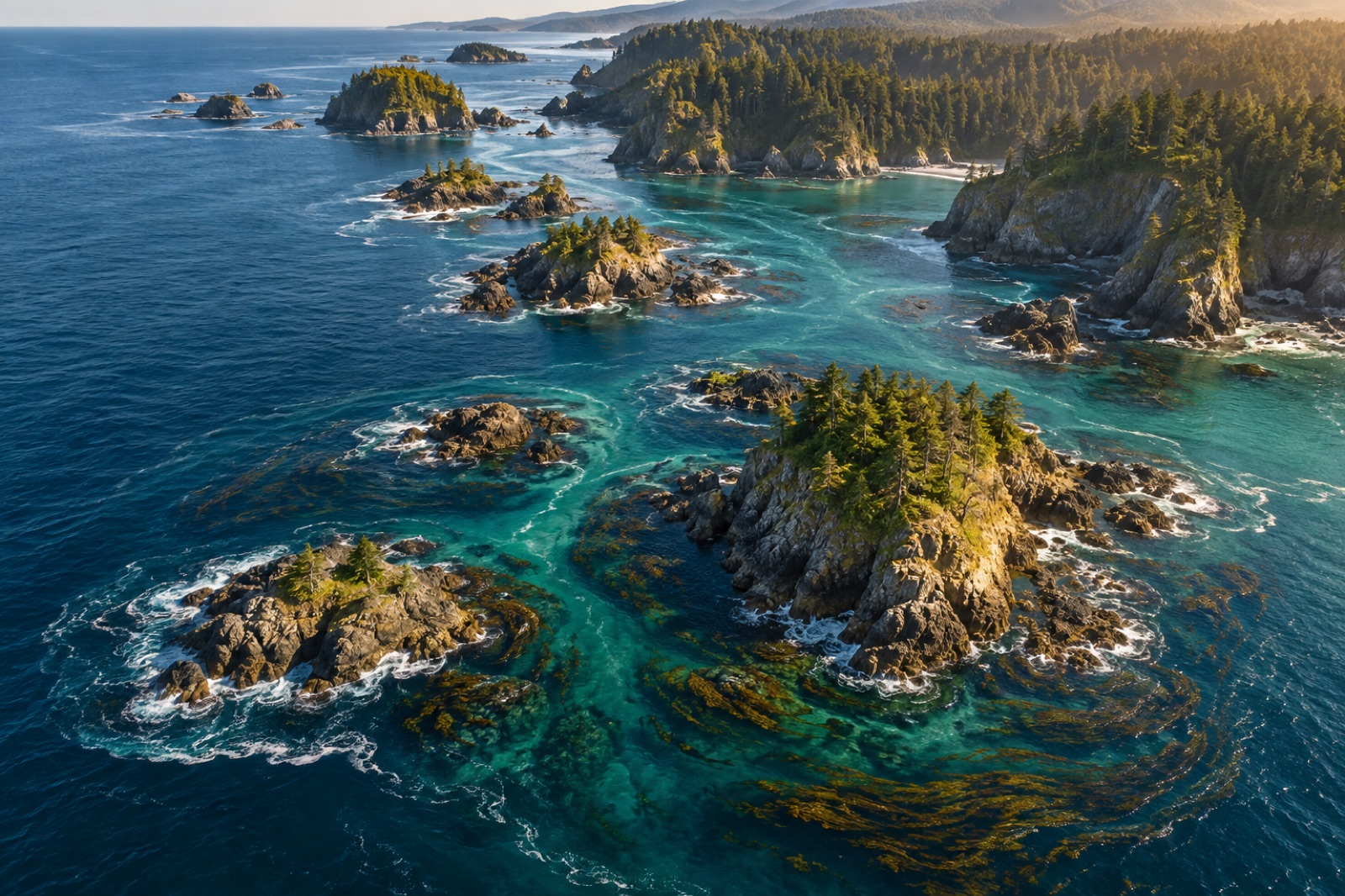
Kelp forests only look isolated. Spores, drifting fronds and invisible currents link reefs into a network — and that map is the key to restoring them.
Dr. Elias Brandt ·
7 articles
Kelp forests only look isolated. Spores, drifting fronds and invisible currents link reefs into a network — and that map is the key to restoring them.
Dr. Elias Brandt ·
How scientists read the family tree of a kelp forest — from SNP chips to seascape genomics — and what genetic maps reveal about provenance and adaptation.
Dr. Elias Brandt ·
Most kelp spores settle metres from their parents, but a rare few travel kilometres — and rafts cross oceans. What dispersal distances mean for connectivity and restoration.
Dr. Elias Brandt ·
Kelp spores rarely travel far, while fish and invertebrate larvae ride currents for weeks. How dispersal distance shapes reef recovery and restoration design.
Dr. Elias Brandt ·

Reefs are joined by currents into a living network. How connectivity works, why stepping stones matter, and how it shapes marine reserves and kelp restoration.
Dr. Lena Fischer ·
Kelp forests, seagrass meadows and estuaries trade food, animals and larvae across the coastal mosaic. Why connectivity — not patch size — decides resilience.
Dr. Mara Ellison ·

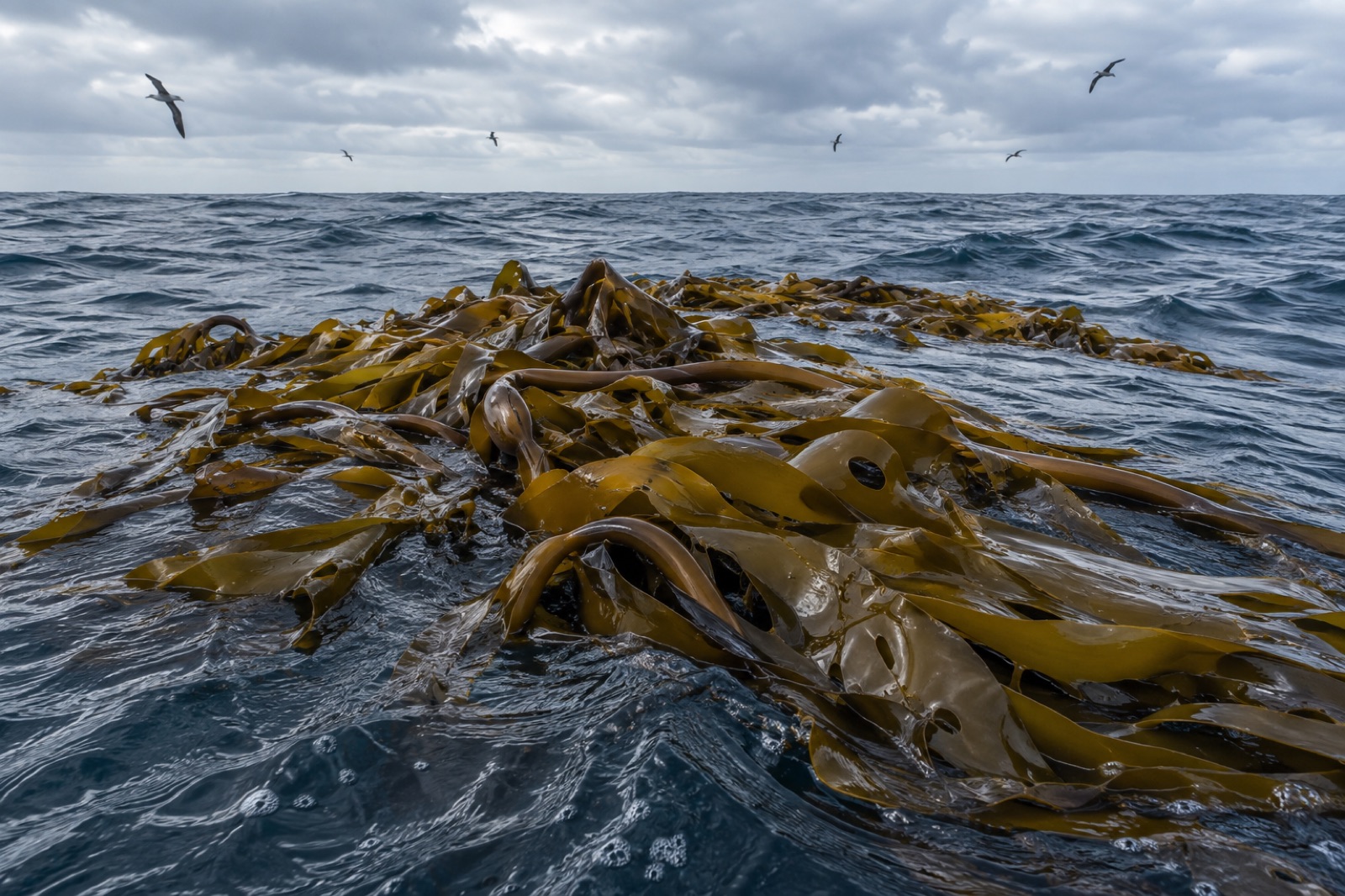
Storms tear kelp free and send it drifting with whole communities aboard. Inside the science of kelp rafts and transoceanic dispersal.
Dr. Theo Nakamura ·