Sixteen kilometres from the Melbourne CBD, at the end of Beach Road in Beaumaris, there's a sandstone point where the city stops and the Great Southern Reef begins. Ricketts Point Marine Sanctuary — one of three small no-take sanctuaries established in Port Phillip Bay in 2002 — protects about 115 hectares of intertidal reef platforms, rockpools, seagrass and kelp-fringed ledges, all of it in water rarely deeper than eight metres. For a beginning snorkeller it's a gentle wilderness; for a jaded diver it's a reminder that good reefs don't have to be far away or deep. This is the practical guide: when to go, where to get in, and what lives on the ledger of ledges. For the bigger picture of the bay's kelp, pair it with our guide to Port Phillip Heads and the Mornington Peninsula.
Why this scrap of coast earned a sanctuary
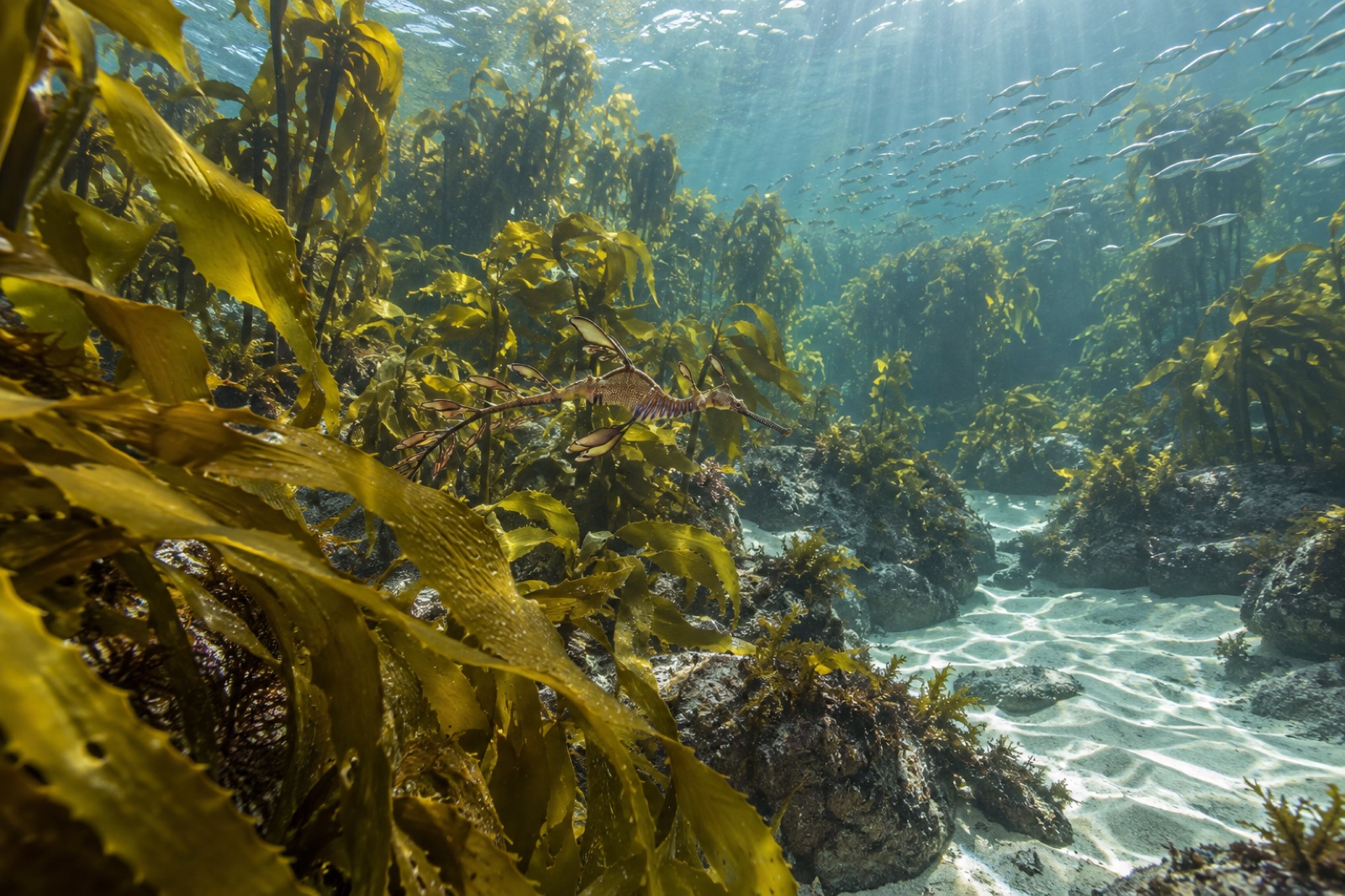
Port Phillip Bay is enormous, mostly shallow and almost enclosed — nature's idea of a lagoon. Its eastern shore around Beaumaris and Black Rock carries low sandstone headlands weathered into flat reef platforms, and those platforms are the point: riddled with pools and cracks, crusted with coralline algae, hung with Neptune's necklace at the tide line and skirted in golden kelp (Ecklonia radiata) where the ledges drop into permanent water.
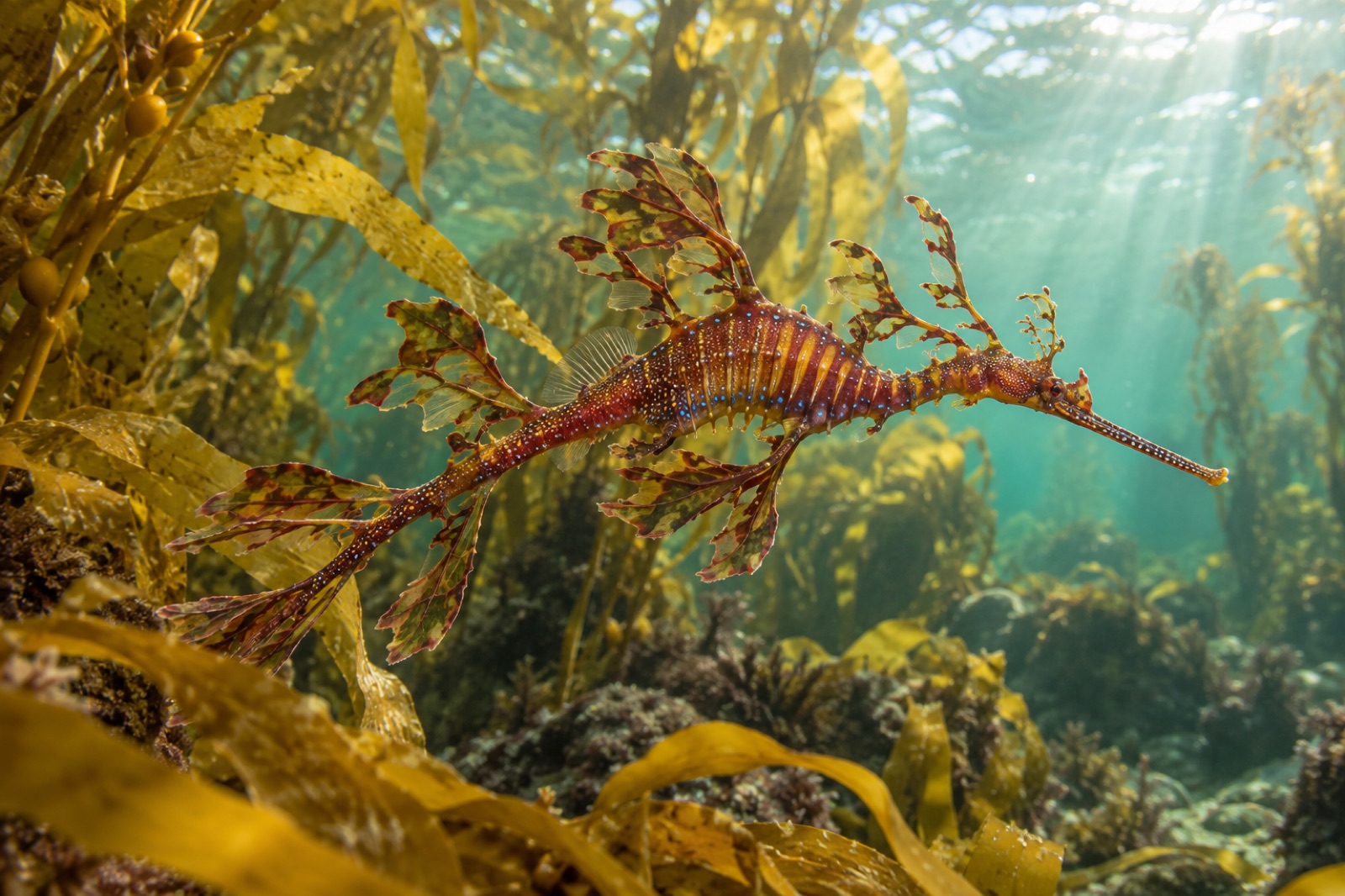
That mix — kelp, seagrass, rockpools and sponge gardens in wading-to-diving depths — packs in species well out of proportion to the sanctuary's size. Old wives and silver sweep school over the ledges. Zebra fish dawdle in the kelp fringe. Blind sharks and, in the cooler months, Port Jackson sharks rest under the overhangs. Southern fiddler rays and smooth stingrays work the sand, and the sharp-eyed have found weedy seadragons drifting the kelp line. Because the sanctuary is fully no-take — no fishing, no collecting, no spear guns — the fish behave like city fish that were never taught fear: curious, unhurried and close.
When to go: reading the bay
Ricketts Point faces northwest, which inverts the usual coastal logic. The going is best in a southerly, when the bay's chop rolls away from this shore and the water clears; northerlies blow straight into it and stir the shallows to soup. Check the forecast for wind direction more than wind speed.
- Wind — light south to southwesterly is ideal; anything with north in it, reschedule.
- Tide — the sanctuary is tidal and very shallow. A low tide exposes the platforms (great for tidepooling, not for swimming); a mid-to-high tide puts swimmable depth over the ledges and carries clear bay water in. Plan around the high.
- Season — the water runs about 13–14°C in winter to 21–22°C in late summer, making this one of the warmest kelp-country swims you'll find. Summer brings crowds and green warmth; autumn and calm winter days bring the clearest water and the fewest people.
- Visibility — variable, honestly: 2–3 metres on an ordinary day, 8–10 metres after a run of southerlies. This is a site you visit on the bay's terms.
Getting in: the shore circuit
Everything starts at the Beach Road foreshore car parks between the Beaumaris yacht club and the Ricketts Point teahouse precinct. There's parking, a cafe, toilets, and a short walk down to the entry.
A simple first circuit for snorkellers and divers:
- Enter off the small beach just north of the main point, fins in hand, and kick out over the sand to where the reef platform begins — you'll see the dark weed-line from the surface.
- Work the ledge edge. Follow the drop-off where the sandstone shelving meets the sand in 3–6 metres. This edge is the fish highway: old wives, sweep, leatherjackets, and rays crossing the flats.
- Hunt the overhangs. The reef's undercuts hide the best life — blind sharks packed in like cordwood in season, octopus middens (tell-tale piles of cracked shells), sponge and ascidian gardens on the shaded surfaces. Look with a torch even at midday; the shade line is where the colour lives.
- Kelp fringe and rockpool shelf. Finishing shallow along the kelp and Neptune's necklace gives you the light show and, at slack high tide, some of the calmest water. Exit where you entered.
Total time: 40–60 minutes unhurried, well within snorkelling range, and all of it shallow enough to stand — though please don't stand on the reef itself; rest on sand.
Making a Melbourne reef day of it
Ricketts Point is the anchor of a very civilised day. Ten minutes south, Half Moon Bay at Black Rock curves around the scuttled wreck of HMVS Cerberus — a nineteenth-century breastwork monitor sunk as a breakwater, its armoured hull a snorkel-friendly artificial reef draped in kelp and patrolled by fish. Between the two sites you can spend a morning on a marine sanctuary and an afternoon on a shipwreck, with a proper lunch in between, and never leave the suburbs.
If the bay flatters you into wanting more, the natural graduation is the Mornington Peninsula: shore dives on the piers, the weedy seadragon grounds of the southern bay, and eventually the kelp forests at the Heads. Our beginner's guide to kelp forest diving maps that ladder, and the Great Southern Reef overview explains the continent-scale system this little point belongs to.
Sanctuary rules and reef manners
No-take means exactly that: no fishing, no spearfishing, no collecting of anything — shells, weed or otherwise — and no anchoring on the reef. Fisheries officers do patrol, and the rules are the reason the fish are unafraid. Wetsuit booties and gloves are worth wearing (the platforms are barnacled and the rays are real), and reef-safe behaviour — fins off the bottom, nothing touched, nothing chased — keeps a tiny urban sanctuary working.
Key takeaways
- Ricketts Point is a small no-take marine sanctuary on Melbourne's eastern bay shore: sandstone ledges, rockpools, seagrass and golden-kelp fringe, all shallower than about eight metres.
- It's sheltered from southerlies and exposed to northerlies — check wind direction first, and swim over a mid-to-high tide.
- Expect unafraid fish life: old wives, sweep, zebra fish, resting blind sharks and Port Jackson sharks, rays on the sand and (for the patient) weedy seadragons.
- The shore circuit runs beach entry → ledge edge → overhangs → kelp fringe; 40–60 minutes, ideal for snorkellers and new cold-water divers.
- Pair it with the Cerberus wreck at Half Moon Bay for a full reef day entirely within the Melbourne tram-and-train map.
FAQ
Can you snorkel at Ricketts Point?
It's one of Melbourne's best and easiest snorkels — shallow, calm in a southerly, and loaded with fish thanks to two decades of sanctuary protection. Go on a mid-to-high tide with a light southerly or still day, and stay off the reef platforms themselves.
Do I need a wetsuit?
In summer, many people snorkel in bathers and a rash vest; for anything longer than half an hour, or any visit outside January–March, a 5mm wetsuit turns it from tolerable into genuinely comfortable. Water ranges from about 13°C to 22°C across the year.
Is scuba diving allowed?
Yes — diving and snorkelling are both welcome; it's fishing and collecting that are banned. The depths are shallow (mostly under 8 metres), so bring a small cylinder, a torch for the overhangs and a camera.
Are the sharks dangerous?
The blind sharks and Port Jackson sharks here are small, bottom-resting species with no interest in swimmers; treat them with the same courtesy you'd give any wild animal — look, don't touch, and don't block a resting shark's exit. As anywhere, leave rays alone and they leave you alone.
When is visibility best?
After several days of southerly or calm weather, in autumn and winter, visibility can reach 8–10 metres. After northerly winds or heavy rain running off the suburbs, it can drop to a couple of metres. Ricketts rewards patience with the forecast.