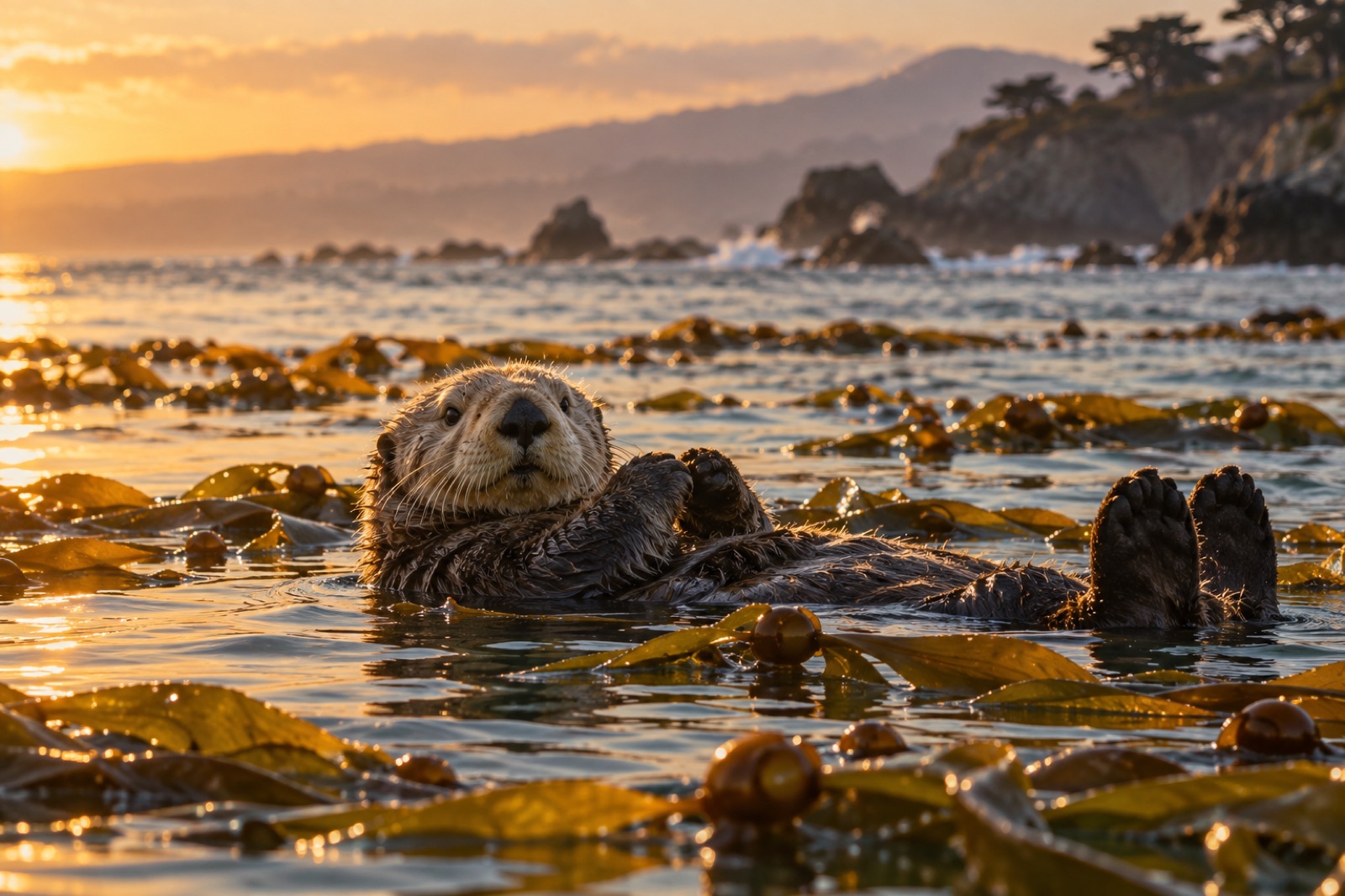
The strip of shore between the tide lines is the most accessible wilderness on Earth. Twice a day the sea withdraws and leaves behind hundreds of small aquariums — rock pools full of anemones, crabs, small octopus, sculpins and jewelled algae — open to anyone with a tide table and an hour to spare. No licence, no boat, no gear beyond decent shoes. It is also a genuinely extreme habitat: the creatures in a tide pool survive boiling sun, freshwater rain, pounding surf and freezing nights, sometimes in the same week. That resilience makes tidepools forgiving classrooms — but not indestructible ones. A busy summer of careless feet can strip a pool bench that took years to build. This guide covers how to time your visit, how to move on the shore without hurting yourself or the wildlife, what you are actually looking at, and the simple etiquette that keeps pools wild for the next visitor.
Timing is everything: read the tide before you go
Tidepooling lives and dies by the tide table, and this is the single most common beginner mistake: turning up at high tide to find every pool under a metre of water.
- Aim for low tide, and arrive early. The best window is the hour before low tide through to about thirty minutes after it. Arriving on a falling tide means the shore is being steadily revealed and the ocean is moving away from you — the safest possible arrangement.
- Learn "tide height," not just "low tide." Tide tables list a height for each low (relative to a local datum). On most coasts you need a low of roughly +0.3 m or better (lower) to expose good pools; a low of 0.0 m or a negative tide is a blue-ribbon day that may only happen a few times a month. Check tables for the specific reference station nearest your beach.
- Prefer a falling swell. Even at a perfect low tide, a big swell washes through exposed pools and makes wave-swept ledges dangerous. Check the surf forecast alongside the tide; a long-period swell can arrive as occasional "sneaker" sets on an apparently calm day.
- Daylight matters. The lowest tides on many coasts cluster around dawn and dusk. A headtorch tidepool session is wonderful, but for a first visit choose light.
Apps and national hydrographic tide predictions are both reliable. What you should not do is guess, or assume yesterday's low is today's — the whole cycle shifts by roughly fifty minutes a day.
Dress for rock, not for beach
Intertidal rock is the most treacherous footing most people ever walk on. It is sharp where it is bare and glassy where it is weeded.
- Footwear: closed-toe shoes with grip — old trainers, reef boots or approach shoes. Never thongs, never bare feet. Barnacle cuts on bare soles end tidepool trips and sometimes holidays.
- Layers and sun: you are beside a giant mirror. Sunscreen, hat and a windproof layer; the intertidal is often windier than the car park.
- Hands: for kids, a small bucket of seawater and a soft-bristled paintbrush (for gently lifting weed aside) turns peeking into proper observing. Leave nets and tongs at home — see the etiquette section for why.
- What not to bring: your phone in a back pocket (it will meet the water), towels you intend to keep dry, and anyone who cannot be talked out of running.
There is a skill to walking the intertidal, and it has two goals — not falling over, and not crushing the shore flat.
- Step on bare rock or sand channels. Rock with nothing growing on it is nearly indestructible. Dark mussel and barnacle beds crunch underfoot and recover slowly; sea palm beds and algal turf look tough but are torn by trampling. Where the only route is across living rock, take the wet, weedy route slowly rather than the dry barnacled one — and weave rather than march in single file, so your group's impact spreads out.
- The barnacle rule is backwards from instinct. White barnacle crusts look dead but are densely alive. The genuinely bare rock is often the stuff that looks freshly wet-scrubbed.
- Three points of contact on weedy rock. Treat every patch of green as ice until proven otherwise — a thin bacterial film on wet algae is more slippery than most ice rinks.
- Never turn your back on the ocean on exposed ledges, and teach kids the same. If a wave knocks you down, float feet-first and let it carry you into the pool or shore rather than grabbing at weedy rock.
- Watch the tide behind you. On some shores a rising tide cuts off gullies and headlands. Identify your exit route when you arrive, not when the water is around your knees.
What you're looking at: a beginner's field guide
Tide pools stack life in vertical bands, and reading the zones turns a jumble into a story. High on the shore live periwinkles and lichens; lower, barnacles and mussels; in the pools themselves, the full cast.
The anemones
The flower-like animals are predators. A giant green anemone is a mouth ringed with stinging tentacles, coloured by symbiotic algae living in its tissues — it eats crabs and small fish and is powered partly by sunlight. Anemones retracted into rubbery green blobs at low tide are not dead; they are sealed against the sun. Gently touching a tentacle with a wet fingertip is legal in most places and harmless — you will feel the sticky grip of thousands of stinging cells too small to penetrate skin.
The crabs
Purple shore crabs and striped shore crabs are the intertidal's ushers — they race ahead of you and wedge into cracks. Watch one for a minute and you will see it grazing algae from the rock like a tiny cow. Big red rock crabs lurk in the deeper pools; admire them from above rather than learning about their grip strength directly.
The snails and limpets
Nearly every "shell" is either a limpet (a cap-shaped snail with a bulldozer grip that can exceed its own body weight many times over) or a turban snail like the wavy turban snail, cruising on a muscular foot. Hermit crabs occupy emptied shells. If a shell moves quickly and sideways, look for legs.
The stars and urchins
Ochre sea stars in orange and purple drape over mussel beds in the low zone — these are the original keystone predators, the species that proved one hunter can structure an entire community. Purple sea urchins bore pits into soft rock and sit in them like tenants. If the shore you are visiting is thick with urchins and bare of kelp, you may be looking at an urchin barren in miniature — a whole ecology flipped and stuck.
The fish
Woolly sculpins and tidepool sculpins sit motionless on pool floors, camouflaged to invisibility, waiting out the low tide. Approach a pool slowly and crouch: moving shadows send every fish into the weed. Given five motionless minutes, the pool comes back to life in front of you.
Etiquette: the rules that keep pools full
Most intertidal damage is done by a thousand kind people each doing something small. The etiquette is simple and absolute on shorelines with any visitor pressure:
- Look, touch wet, put back. Touch only with wet hands, briefly. Anything you turn over — a rock, a mat of weed — goes back exactly as you found it, because the underside is home for dozens of animals that dry out in minutes exposed.
- Nothing leaves the beach. No shells with residents, no "souvenir" anemones, no collecting unless you hold a permit and know the rules. On many coasts, virtually all collecting is prohibited; on others, seasonal and bag limits apply even to shells. When in doubt: leave it.
- No prying. A limpet or abalone removed by force has likely had its foot torn and will not reattach. If it doesn't lift instantly with a gentle touch, it isn't coming — and shouldn't.
- Keep sunscreen quantities honest. A normal body application is fine; don't slather on reef-unsafe products and then sit in pools.
- Give wildlife right of way. If you are lucky enough to find a hauling-out seal, a nesting oystercatcher or an octopus in the shallows, the rule is generous distance — the same principles we lay out in our guide to watching sea otters responsibly apply everywhere: if your presence changes the animal's behaviour, you are too close.
- Make it count. If you want your visit to leave something behind, log your sightings. Our citizen science beach walks guide explains how platforms like iNaturalist turn family tidepooling into data that tracks range shifts and invasive species — scientists genuinely use it.
When you want more than your eyes can show you
Tidepooling is the gateway drug of the kelp coast. The natural next steps, in order of commitment: a mask and snorkel over the same pools at a rising tide (see our guide to snorkelling safely over reef and kelp), a camera and our notes on underwater photography in kelp, and eventually the forests themselves in three dimensions with a beginner's kelp diving course. Every one of those worlds is visible in embryo in a single rock pool. That is the real magic of the intertidal: it is the whole ocean, condensed into something you can hold your hand above.
Key takeaways
- Go on a falling tide, arrive an hour before low, and check both the tide height and the swell forecast — not just the clock time.
- Closed shoes with grip, three points of contact on weedy rock, and never turn your back on the ocean on exposed ledges.
- Step on bare wet rock where possible; barnacle beds, mussel mats and algal turf are living communities, not pavement.
- Touch only with wet hands, return every rock exactly as found, and take nothing home — the intertidal recovers from waves, not from a thousand small removals.
- Log your finds through citizen-science apps: family tidepooling data genuinely feeds range-shift and invasion research.
FAQ
What is the best tide for tidepooling?
A daytime low tide of about +0.3 m or lower (check the predicted height, not just "low tide"), arriving on a falling tide an hour before the low. Negative tides, which occur a handful of times a month, expose the richest low-zone pools that most visitors never see.
Is it safe to take kids tidepooling?
Yes, with two rules enforced absolutely: closed-toe shoes, and no turning backs to the ocean on exposed rock. Choose a sheltered bench rather than a wave-battered point for first trips, go on a small swell day, and brief kids on the put-it-back etiquette before you leave the car — it lands better than mid-beach corrections.
Can I touch sea anemones and starfish?
A gentle, brief touch on an anemone's tentacles with a wet finger is harmless — the stings cannot penetrate skin, and you will feel the tackiness of their stinging cells. Handle nothing out of the water, and never pull: any animal that needs force to move is being injured by moving. Rules vary by jurisdiction, and protected areas often prohibit all handling.
Why are some pools warm and others cold?
Shallow pools cut off at low tide heat fast in the sun and can run several degrees above ocean temperature; deeper or frequently flushed pools stay at sea temperature. Tide-pool animals are adapted to these swings — one reason rock pools act as refugia and natural laboratories for heat-stress research.
Is it legal to collect shells or creatures from tide pools?
Often not. Many famous shores are within marine protected areas where removing anything, including empty shells, is illegal; elsewhere, regulated collecting of some species may be allowed with a fishing licence. Check the local rules for your specific beach before pocketing anything — rangers do patrol, and the pools' survival depends on the rule being real.