Blue Carbon7 min read
Blue Carbon in European Policy: Where the EU Stands on Coastal Carbon
The EU's carbon machinery is vast, yet coastal blue carbon sits oddly within it. Where European policy counts the coast — and where it doesn't.
Priya Raman ·
The Tidewright Journal
Encyclopedia entries, coastal atlas guides, science explainers, farming know-how and recipes — written by Tidewright’s scientists, engineers, chefs and field crews, and open to everyone.
The EU's carbon machinery is vast, yet coastal blue carbon sits oddly within it. Where European policy counts the coast — and where it doesn't.
Priya Raman ·
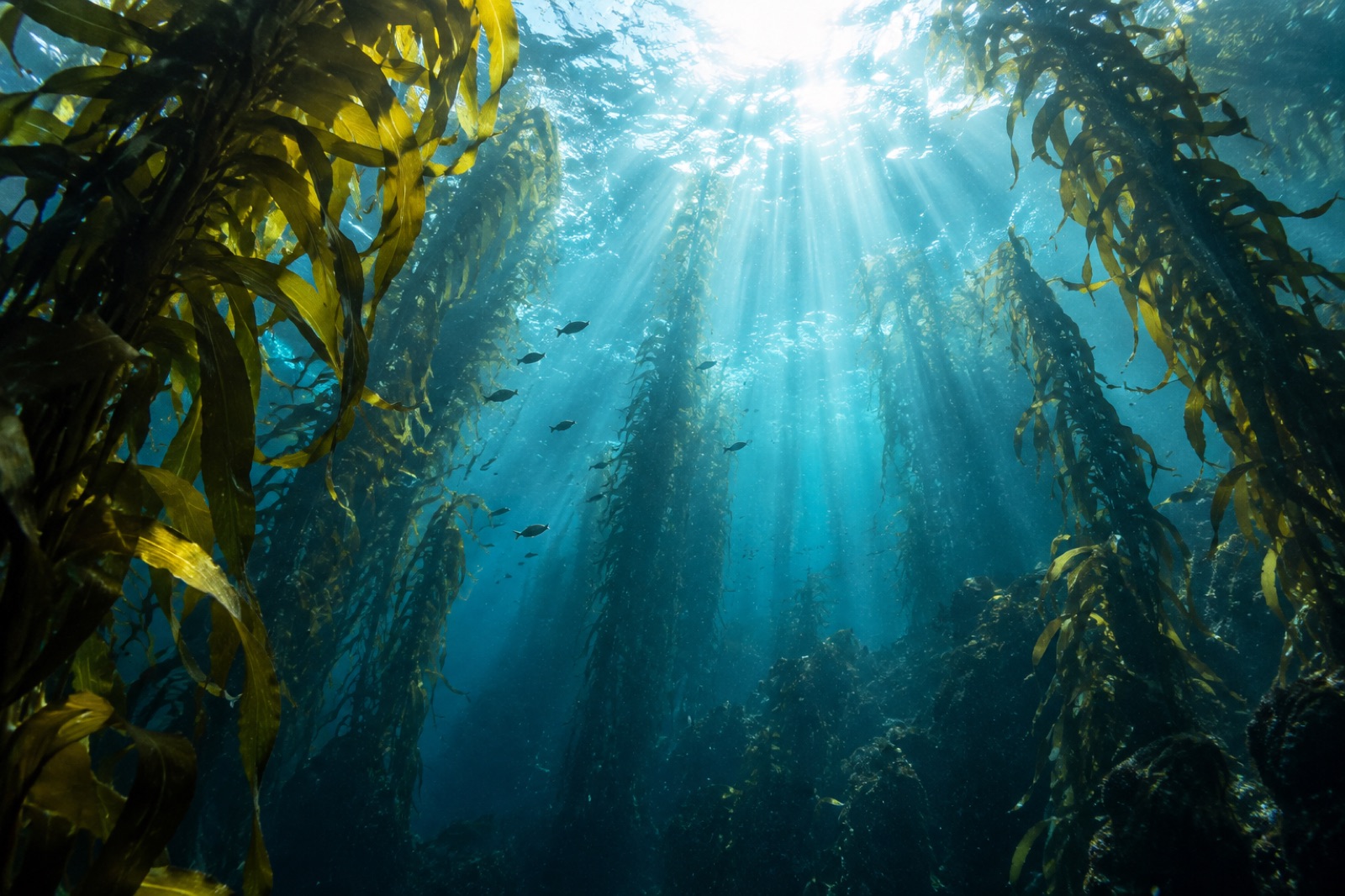
The euphotic zone is the sunlit skin of the sea where photosynthesis powers nearly all marine life. What defines it, how deep it runs, and why it matters.
Dr. Theo Nakamura ·
Phytosanitary certificates, food-safety approvals, customs codes and packing rules — the export compliance checklist every new seaweed grower needs.
Naomi Reyes ·
Falklands kelp grows so dense it damps waves, stalls boats and builds calm harbours. Inside the physics and ecology of the world's thickest kelp belt.
Dr. Lena Fischer ·
How to plan a kid-friendly weekend on a cold, kelp-fringed coastline: tide pooling, wrack-line treasure hunts, safe paddles and ocean learning.
Tom Okafor ·
Turn a consumer drone and free GIS software into a farm record that tracks lines, growth and problems — and makes every season smarter than the last.
Naomi Reyes ·
The PPE that keeps seaweed crews alive and working: flotation, cold-water protection, gloves, boots and exposure systems for all-weather farm work.
Jack Callum ·
Build a useful kelp farm sensor kit for the price of a good anchor: DIY temperature chains, light loggers, tilt sensors and telemetry that answers real farm questions.
Naomi Reyes ·
Farmed and wild-harvested seaweed differ in consistency, price, ecology and use. A clear-eyed sourcing comparison for buyers, chefs and anyone choosing kelp products.
Naomi Reyes ·
Winged kelp grows fast, tastes like a green vegetable and commands food-grade prices. Here's how to farm Alaria esculenta — biology, systems, timing and pitfalls.
Naomi Reyes ·
Eighteen islands of basalt in one of the world's strongest tidal landscapes, wrapped in kelp. A guide to the Faroes' reefs, races, seabirds and cold-water diving.
Tom Okafor ·
A practical guide to lacto-fermenting seaweed at home — salt ratios, a kelp kimchi recipe, troubleshooting, and why fermentation deepens umami.
Sofia Andersson ·
Six days on Tasmania's kelp front line: a day-by-day diary of the baseline survey that will decide where Tidewright's next restoration lines go.
Jack Callum ·
A Tidewright field note from Chile's Coquimbo coast: twelve days of sonar, CTD casts and dive transects to write the first baseline for our newest kelp program.
Dr. Lena Fischer ·
A Tidewright field note: twice a year, volunteers walk Tasmania's beaches counting cast kelp — because the wrack line tells us what the reef can't.
Dr. Mara Ellison ·
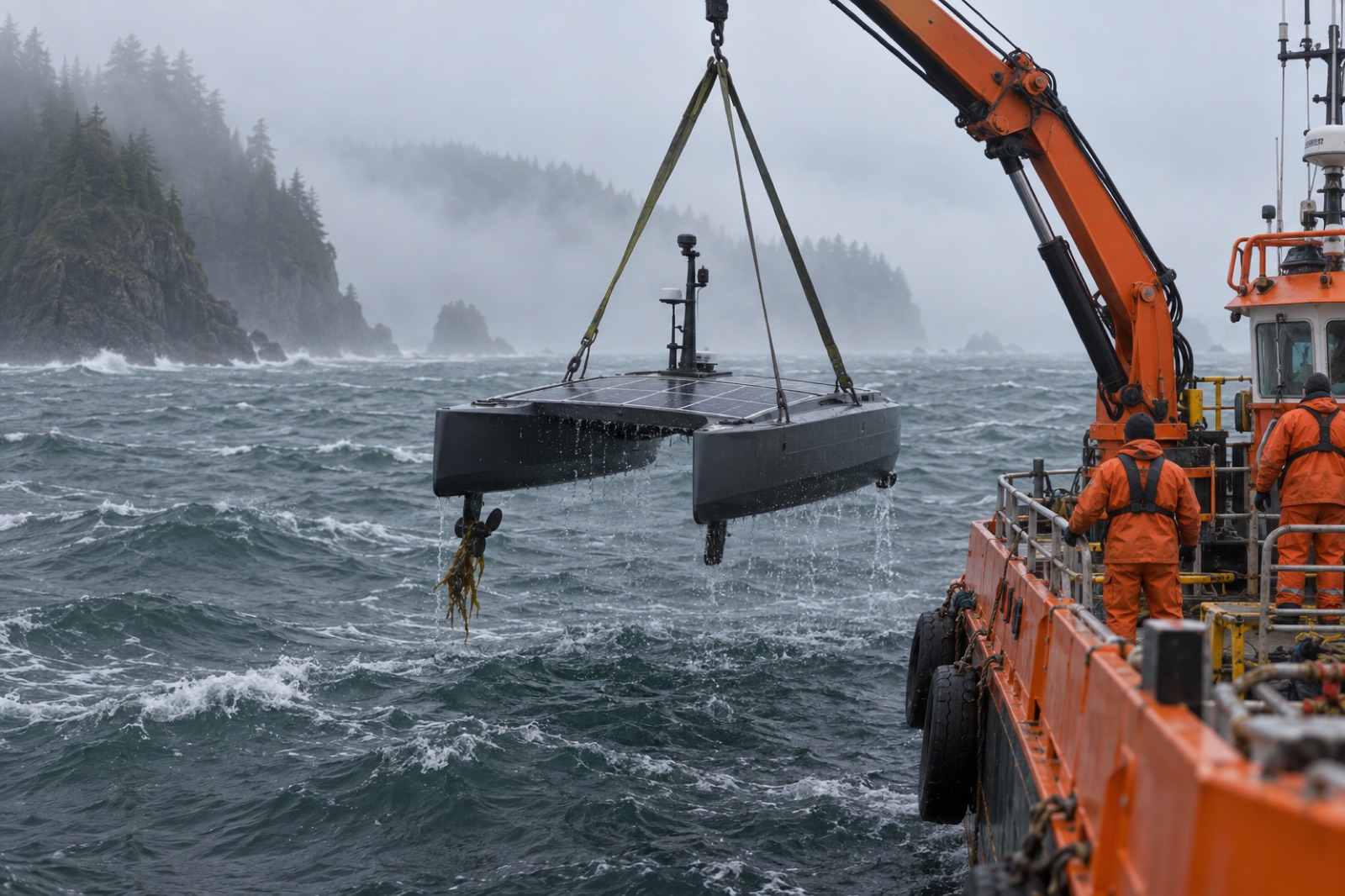
Drifter Nine stopped phoning home mid-survey off Mendocino. Field notes on the search, the recovery at sea and what the fault log told us afterward.
Jack Callum ·
Every March we fly every southern-hemisphere site at peak canopy. Twelve flights a day, dawn tides, and a data pipeline that turns pixels into a season's verdict.
Jack Callum ·
A week flying multispectral drone surveys over Mendocino's recovering bull kelp: fog windows, canopy maths, and where the map still needs divers.
Jack Callum ·
Field notes from the day Canopy Ledger's first verified carbon credit was retired — the registry paperwork, the hesitations, and what the crew made of the moment.
Priya Raman ·
A Tidewright field note from Tasmania's Lumeriah Coast: anchoring a monitoring buoy over the thousandth seeded hectare, and what a big round number is actually worth.
Jack Callum ·
A Tidewright field note from Triabunna: 300 neighbours, forty schoolkids and one microscope queue at the Holdfast kelp hatchery's first community open day.
Naomi Reyes ·
A field note from Hokkaido's kombu coast: stone-beach drying, grading tables and the harvest craft that reshaped how Tidewright handles its own kelp.
Jack Callum ·
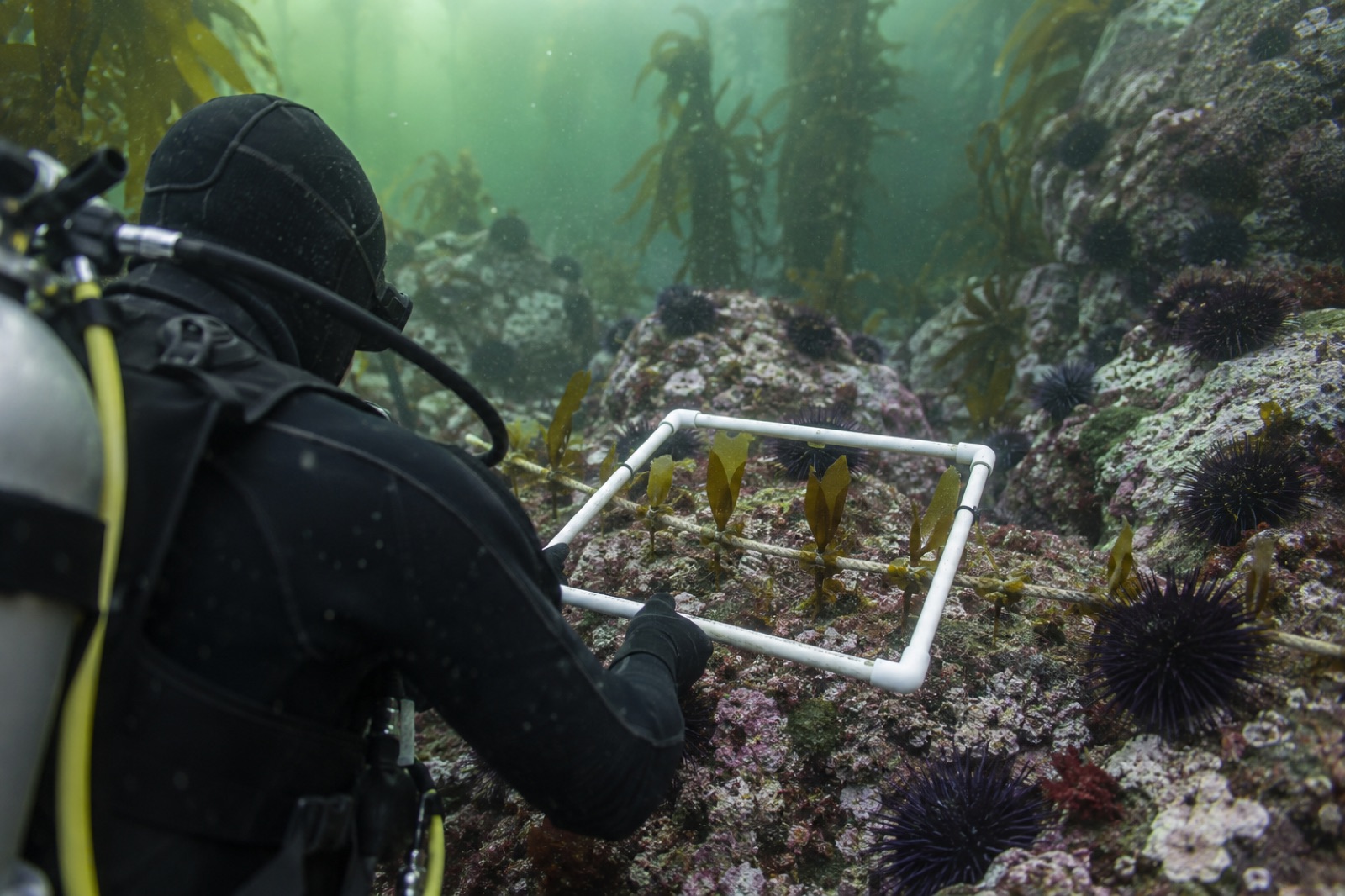
Field notes from a winter holdfast census across a Tasmanian reseeding site: urchin counts on treated vs control transects, and what we changed for next season.
Jack Callum ·
The first Holdfast lines we ever laid are three years old and due for retrieval. What biodegradable seeding lines look like after three winters — and what they taught us.
Jack Callum ·