Giant Sea Bass (Stereolepis gigas): Species Profile and Comeback
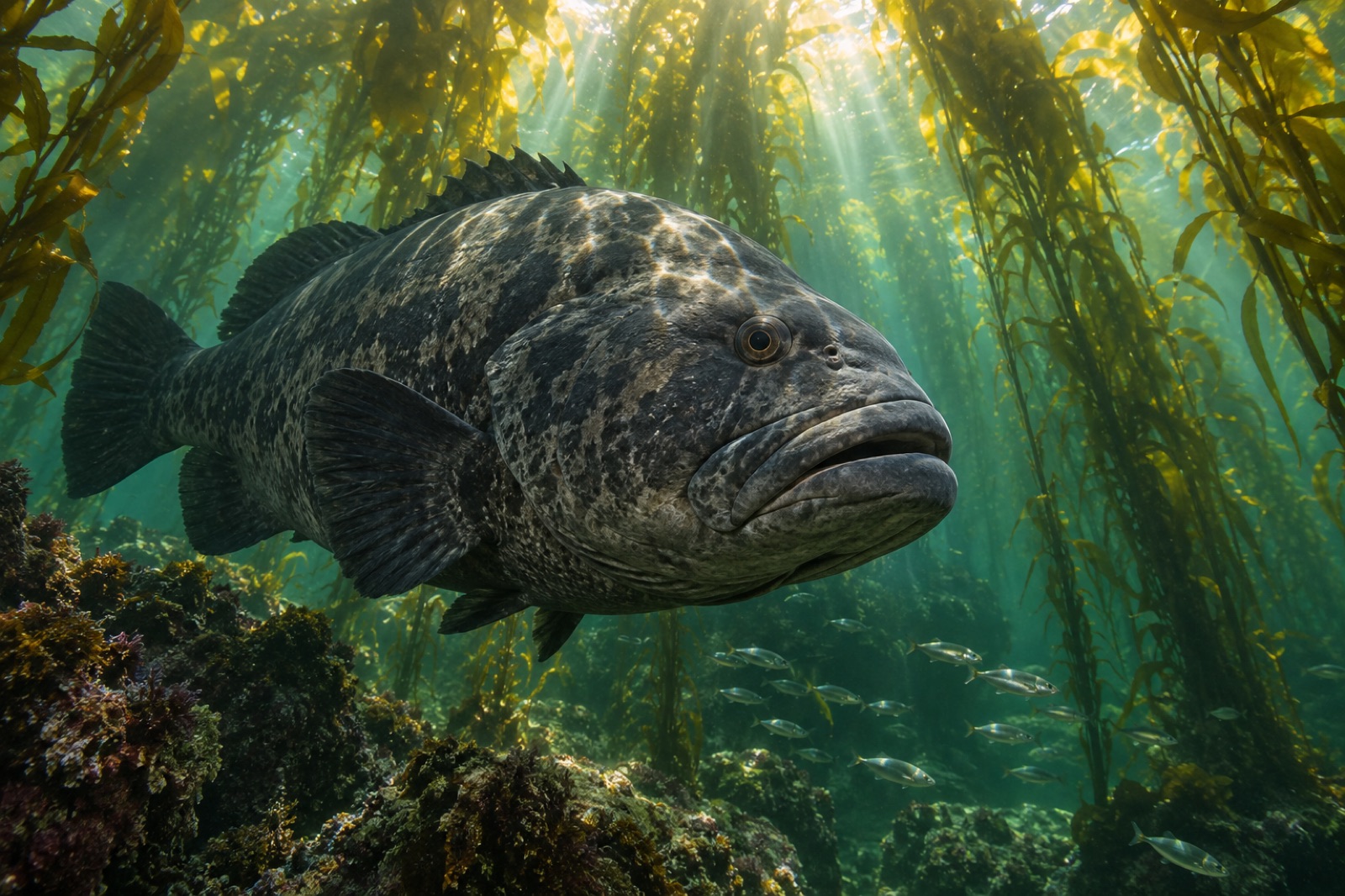
The giant sea bass is a 250-kilo shadows-and-kelp predator that fishermen nearly erased. Learn its biology, the crash and the slow comeback now unfolding.
Dr. Mara Ellison ·
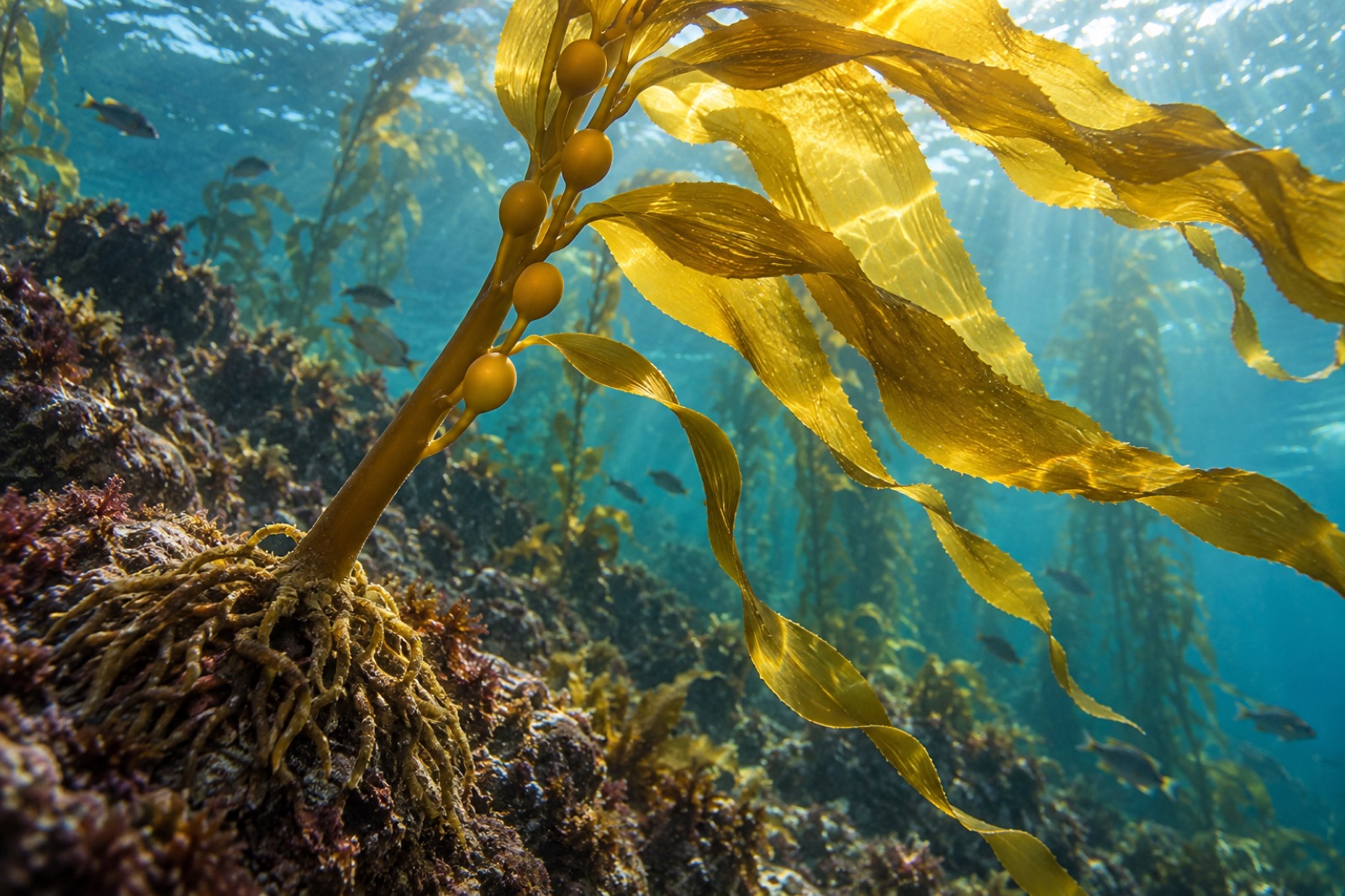
Structured profiles of the species that build, inhabit and depend on kelp forests — from giant kelp to sea otters, urchins to weedy seadragons.
322 articles · Browse the structured Encyclopedia →
The giant sea bass is a 250-kilo shadows-and-kelp predator that fishermen nearly erased. Learn its biology, the crash and the slow comeback now unfolding.
Dr. Mara Ellison ·

In one generation, gillnets erased the giant sea bass from its kelp forests. Four decades of protection are bringing it back — one cautious shadow at a time.
Dr. Mara Ellison ·
Meet the lion's mane jellyfish, the cold sea's largest drifter: tentacles longer than a blue whale, a fiery sting, and an unlikely role as fish shelter.
Dr. Theo Nakamura ·
Meet the tubesnout, the matchstick-slim schooler of Pacific kelp canopies — a stickleback relative that nests on kelp and feeds half the birds.
Dr. Mara Ellison ·
Paguristes ulreyi, the furry hermit crab of Pacific kelp forests: how to identify it, why it wears hydroid-covered shells, and its role on the reef floor.
Dr. Theo Nakamura ·

Giant kelp is the fastest-growing organism on Earth and the architect of undersea forests. Learn its biology, life cycle, range and why it matters.
Dr. Theo Nakamura ·

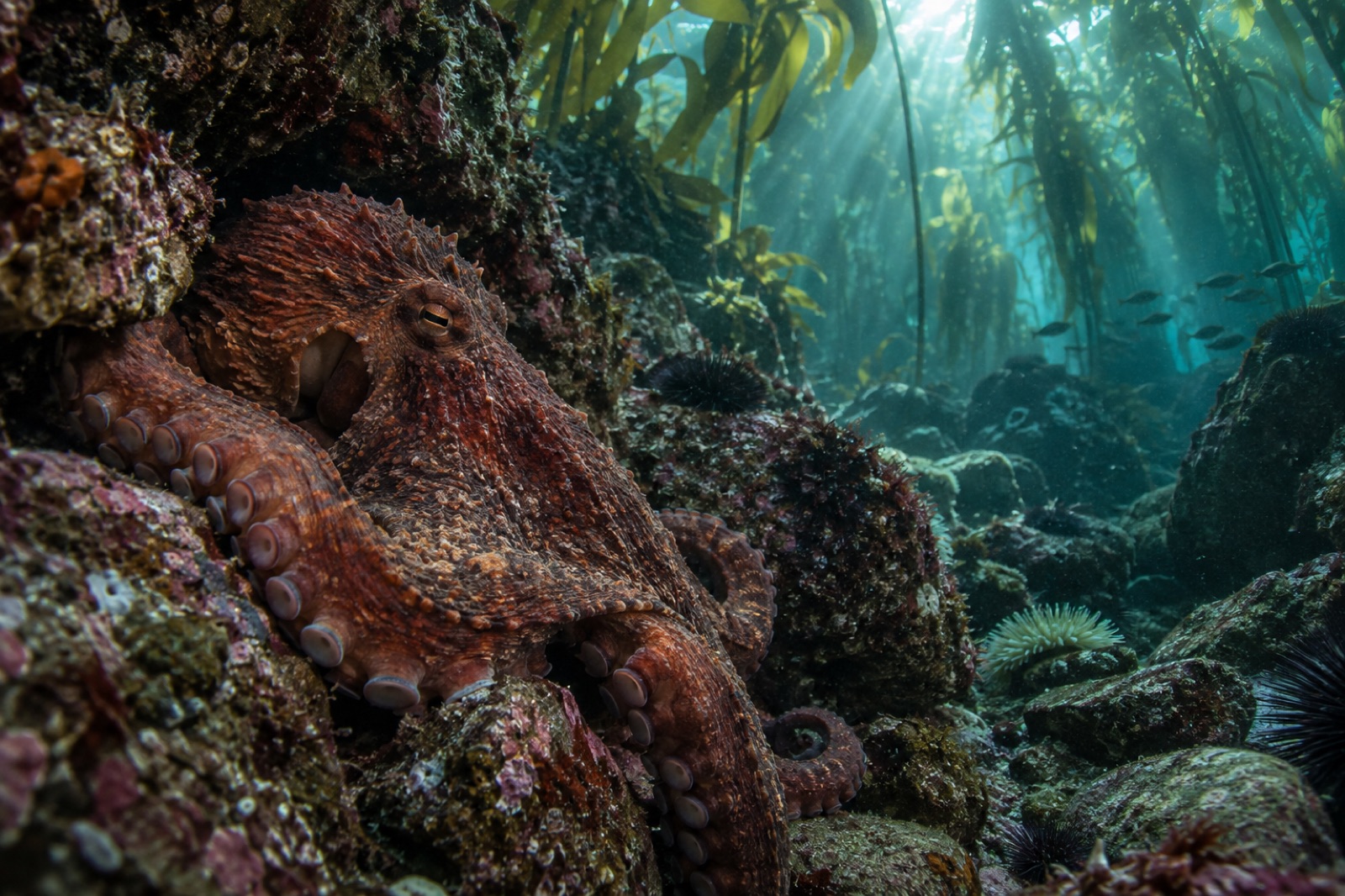
Meet the giant Pacific octopus: the world's largest octopus, a kelp-forest den-dweller with three hearts, blue blood and one shot at motherhood.
Dr. Theo Nakamura ·
Meet the moon jelly, the four-ringed drifter of harbours and kelp bays: identification, life cycle, mild sting, and why its blooms fascinate ecologists.
Dr. Theo Nakamura ·
The spiny sun star is a many-armed predator of cold reefs in both northern oceans. How to identify Crossaster papposus, what it eats, and why it matters.
Dr. Mara Ellison ·
Meet the woolly sculpin, the little California tidepool fish that survives heat, rain-fresh water and hours in the air between tides.
Dr. Theo Nakamura ·
Meet the California sea hare, the kelp forest's purple-inking giant sea slug: what it eats, why it inks, and how it helped decode memory.
Dr. Theo Nakamura ·
Meet the crescent gunnel — the crescent-marked, rock-flipping eel-lookalike of Pacific tidepools, and why its colours make it a barometer of the weed it lives in.
Dr. Theo Nakamura ·
The señorita is a small California wrasse that runs cleaning stations, swarms in glittering schools and buries itself in sand at night. Meet the kelp forest's hygienist.
Dr. Theo Nakamura ·

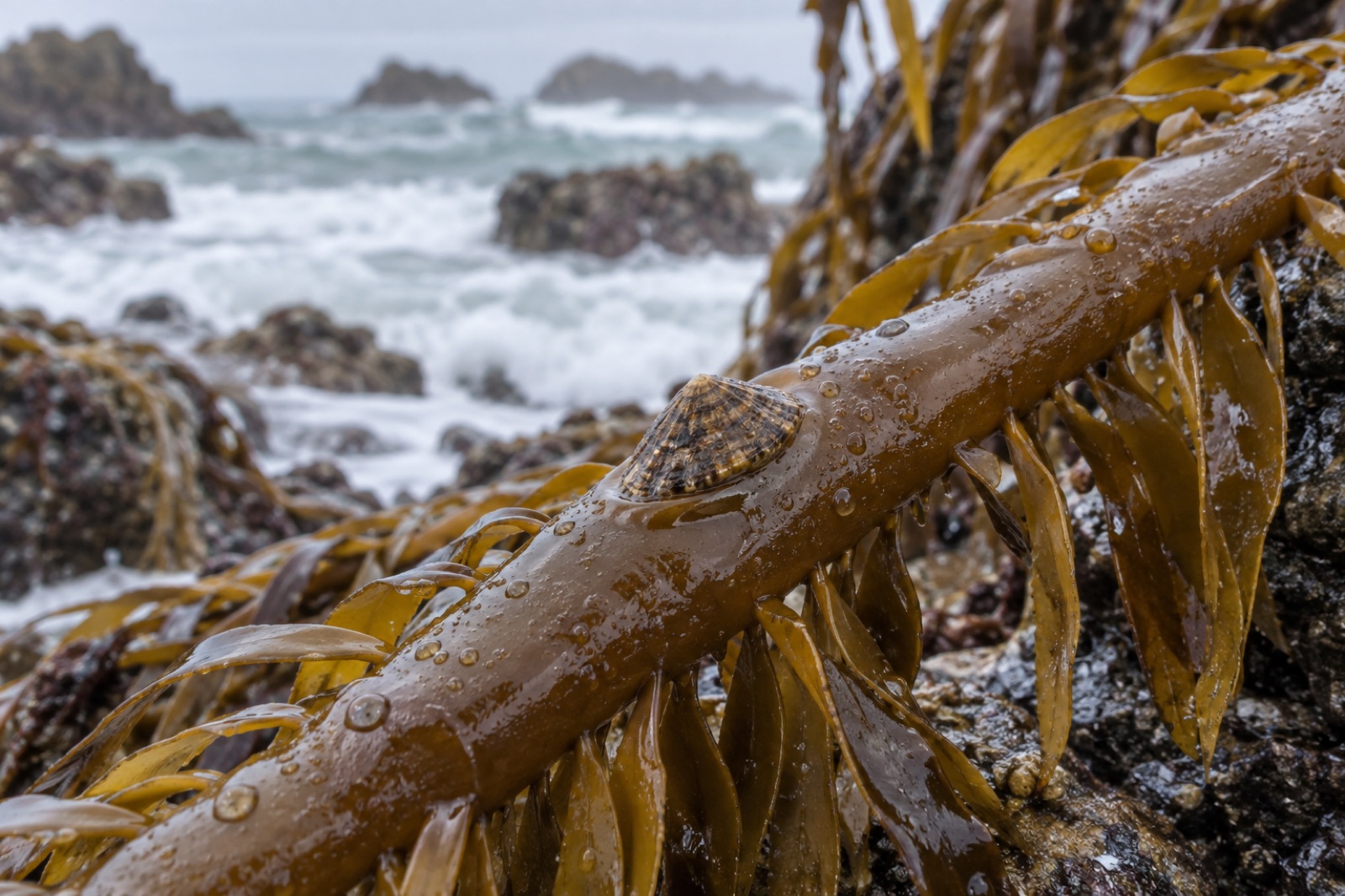
Discurria insessa, the kelp limpet, lives its whole life on a single stipe of feather boa kelp — one of the coast's strictest partnerships.
Dr. Theo Nakamura ·
Meet the ochre sea star, the purple tidepool predator whose removal in a famous 1960s experiment coined the keystone species concept.
Dr. Theo Nakamura ·
Porichthys notatus hums for hours to woo mates, glows with borrowed light and survives hours out of water. Meet the kelp coast's oddest neighbour.
Dr. Theo Nakamura ·

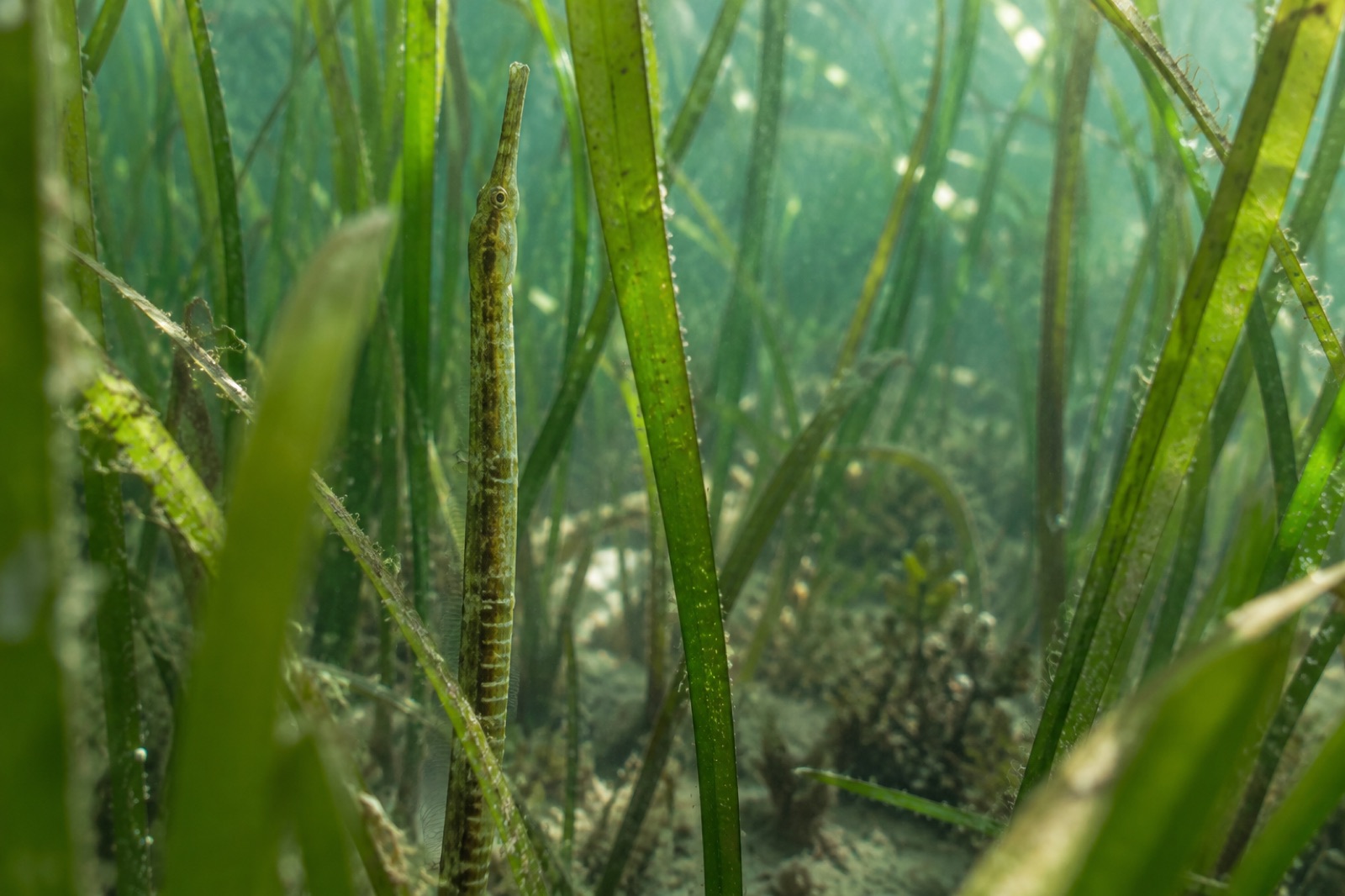
Meet the bay pipefish, the Pacific coast's eelgrass mimic — a seahorse relative that hunts like a drifting grass blade from Alaska to Baja.
Dr. Theo Nakamura ·

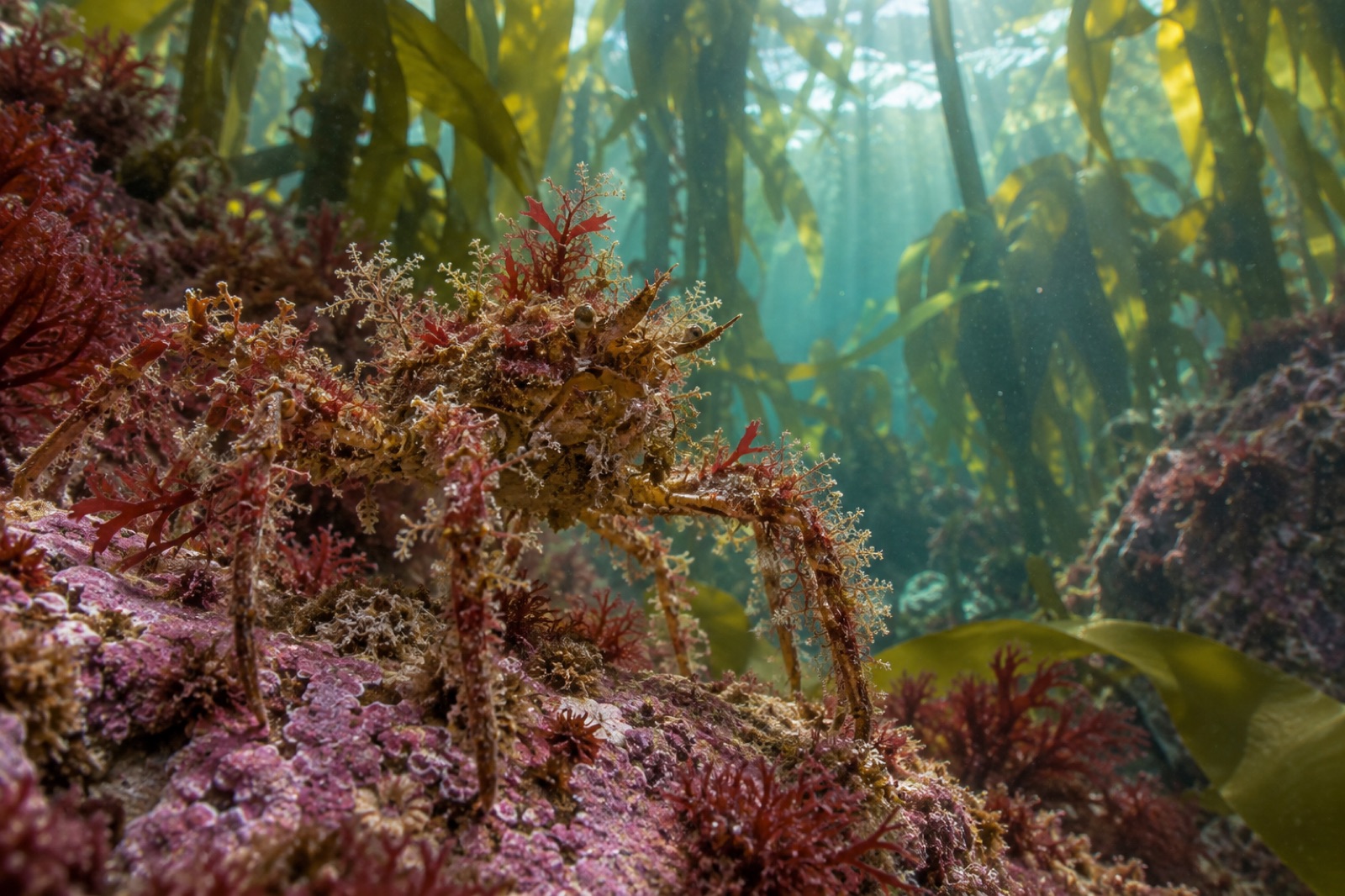
Meet the sharpnose crab — a small Pacific spider crab that plants living algae on hooked hairs across its shell. How the disguise works and where to find it.
Dr. Mara Ellison ·
Ceratostoma foliatum, the leafy hornmouth, is a winged predatory snail of Pacific kelp reefs — a slow driller of mussels and barnacles.
Dr. Mara Ellison ·
Identifying the walleye surfperch: the big-eyed, silver schooler of kelp edges and sand flats, and a member of the ocean's great live-bearing family.
Dr. Theo Nakamura ·
Meet the high cockscomb, a crested prickleback living under rocks from Alaska to California — an intertidal survivor with a breeding male's comb.
Dr. Mara Ellison ·
Meet the heart crab — a flattened, heart-shaped California reef crab that is not a true crab at all, but a king-crab relative descended from hermit ancestors.
Dr. Theo Nakamura ·
Meet the Pacific white-sided dolphin — the torpedo-striped, bow-riding acrobat of North Pacific kelp latitudes, from BC's inshore passages to Monterey Bay.
Dr. Mara Ellison ·
Calliostoma ligatum, the blue-top snail, is a small pearly topsnail that grazes living kelp blades along the Pacific coast, from blade to canopy.
Dr. Theo Nakamura ·