Ocean Heat Content: How We Measure a Warming Ocean
Over 90 percent of the planet's trapped heat is in the ocean. How we measure ocean heat content, from expendable probes to 4,000 drifting floats — and why it matters.
Dr. Lena Fischer ·
The Tidewright Journal
Encyclopedia entries, coastal atlas guides, science explainers, farming know-how and recipes — written by Tidewright’s scientists, engineers, chefs and field crews, and open to everyone.
Over 90 percent of the planet's trapped heat is in the ocean. How we measure ocean heat content, from expendable probes to 4,000 drifting floats — and why it matters.
Dr. Lena Fischer ·
Ocean literacy educators teach the sea in classrooms, aquariums, ranger programs and on beaches — a guide to employers, skills, credentials and the roads in.
Tom Okafor ·
Kelp blades and diatom blooms run on four nutrients: nitrogen, phosphorus, silica and iron. Where each comes from, where it runs out, and why that shapes the sea.
Dr. Theo Nakamura ·

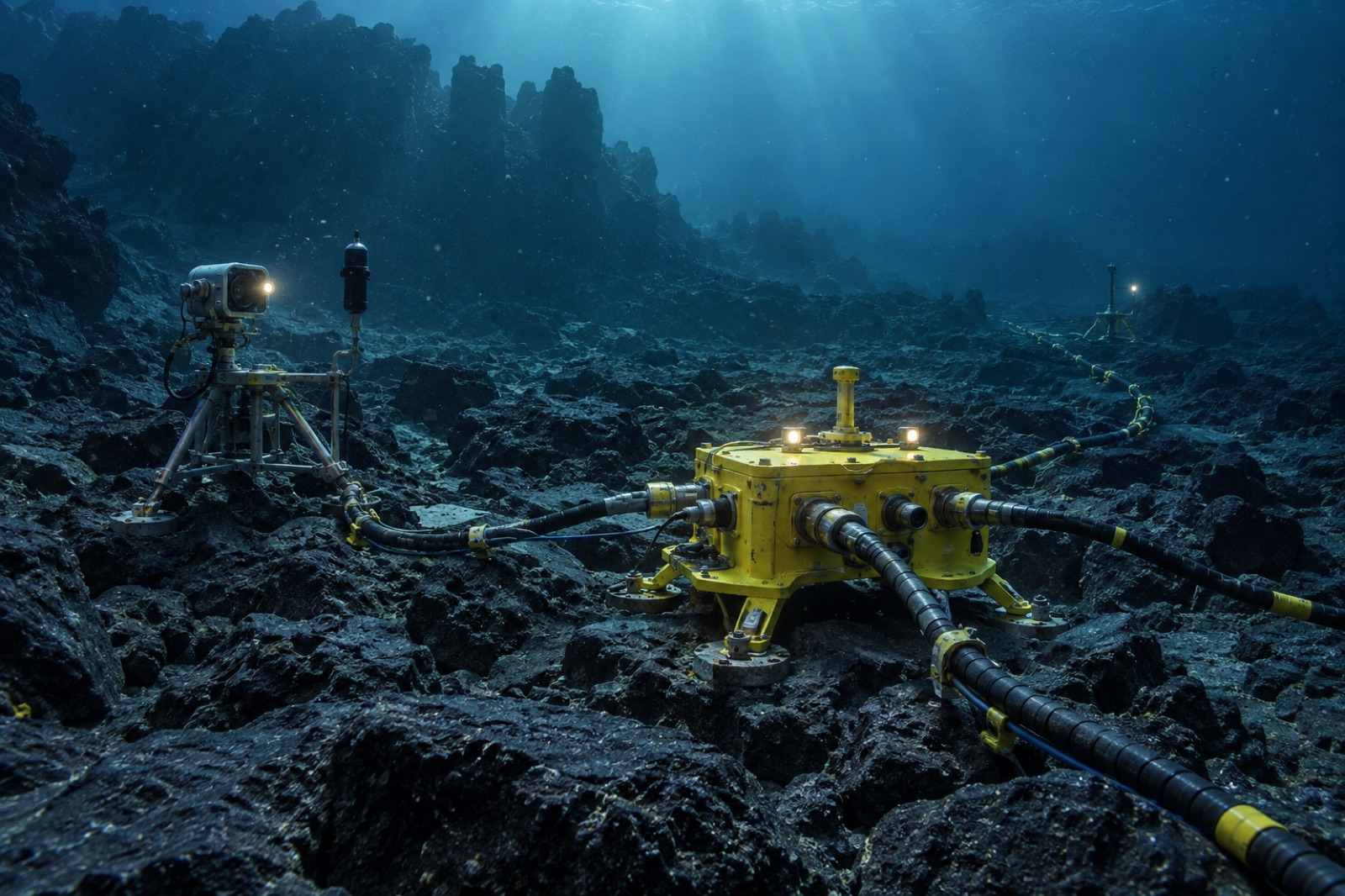
Cabled ocean observatories plug the deep sea into fibre and power, streaming data around the clock. What these wired reefs see that research ships can't.
Dr. Lena Fischer ·
'Every second breath comes from the ocean' — true, and incomplete. Here's the ocean's real oxygen budget, who pays in, and kelp's honest share.
Dr. Lena Fischer ·
Coastal planning, permitting, marine spatial planning, science advice — ocean policy careers translate research into rules communities live by. Your map in.
Dr. Lena Fischer ·
How to build a career in ocean science communication: the roles, the entry routes, the skills employers want, and the ethics of telling the sea truthfully.
Tom Okafor ·

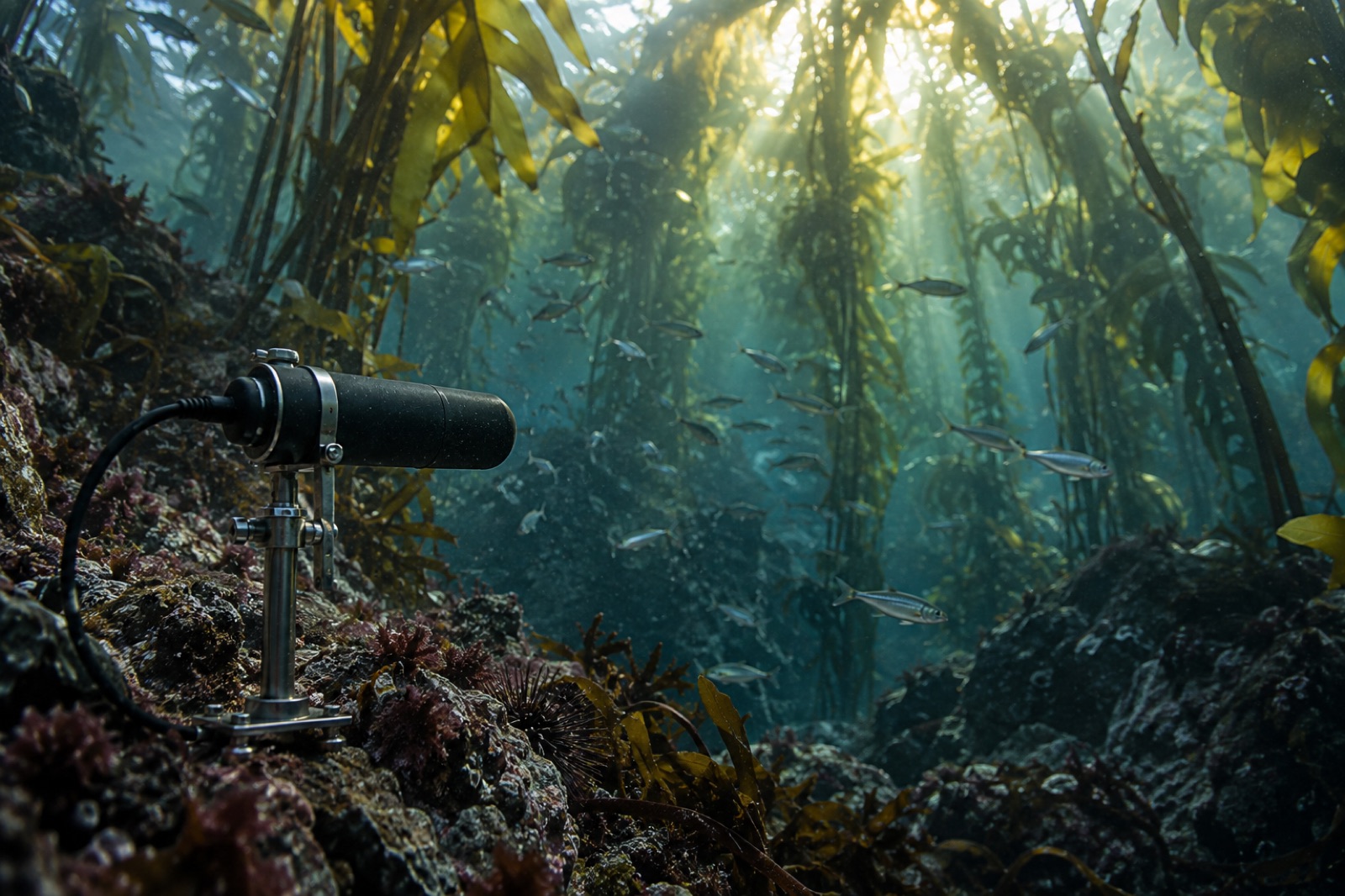
Careers in ocean acoustics and bioacoustics — hydrophones, soundscape analysis, machine learning on whale calls, employers, training and pay, honestly laid out.
Dr. Mara Ellison ·
Storms turn coastal water murky, dimming the light kelp depends on. How turbidity works, where the sediment comes from, and how long forests stay in the dark.
Dr. Mara Ellison ·
Kelp blades can't drink faster than the water next to them allows. How blade-scale turbulence and boundary layers quietly control how fast a whole forest eats.
Dr. Lena Fischer ·
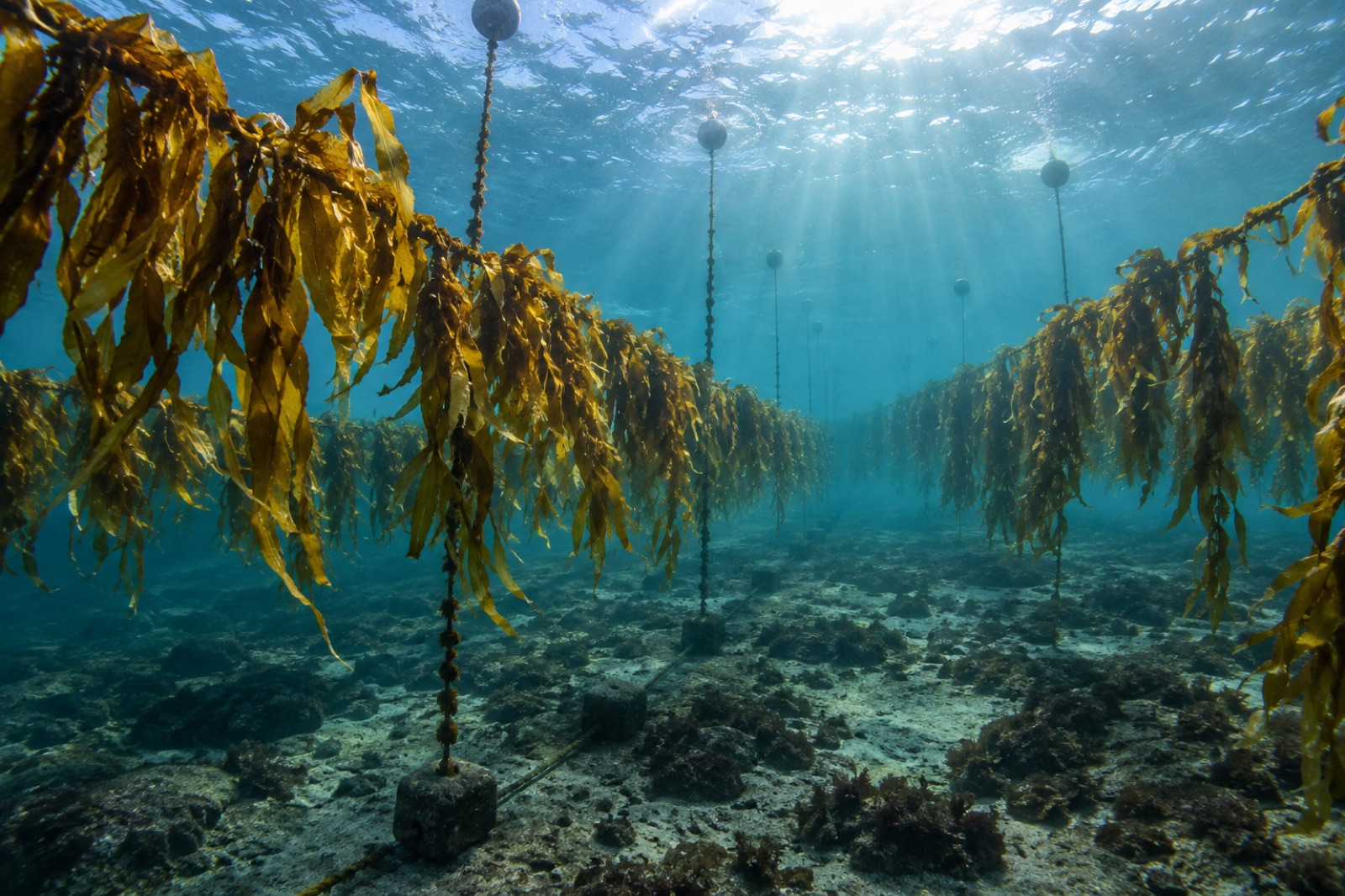
What a seaweed farm actually needs from its off-season — a working checklist of line retrieval, gear inspection, mooring service, hull care and hatchery prep before reseeding.
Naomi Reyes ·

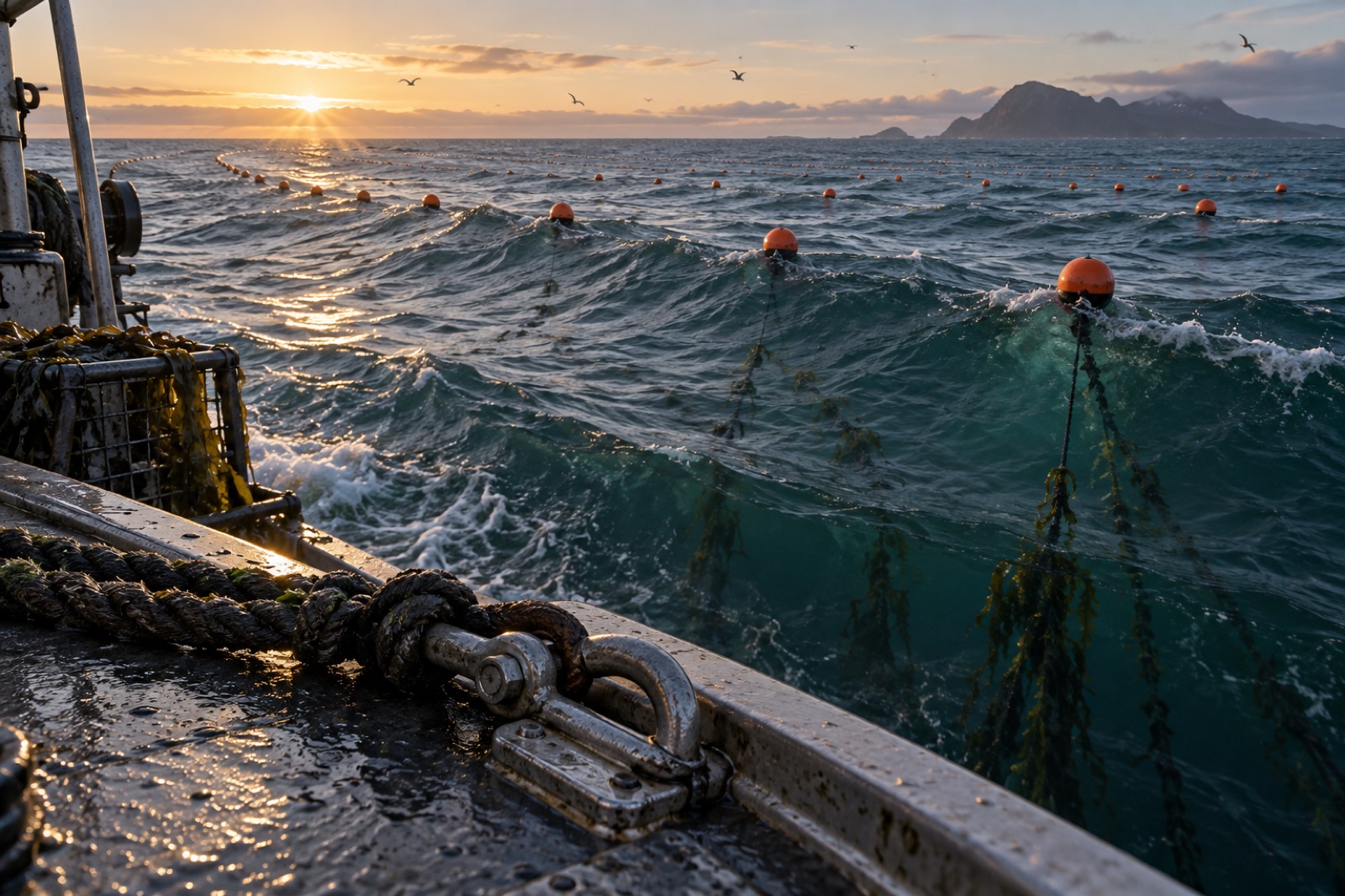
The engineering workflow for exposed-water kelp farms: metocean data, design storms, load estimation, mooring fatigue, corrosion control and staged scale-up.
Naomi Reyes ·

How to design exposed-water seaweed farms around the physics of depth: submersible longlines, wave decay with depth, lift mechanisms and storm-drop protocols.
Naomi Reyes ·
Gracilaria sea mosses are among the most farmed seaweeds on Earth and the classic source of agar. Profile of their ecology, culture and cuisine.
Dr. Theo Nakamura ·
Olive rockfish (Sebastes serranoides) school in the dim water above Pacific kelp beds. Profile: ID tips vs kelp rockfish, life history, fishery and role.
Dr. Theo Nakamura ·
How to make onigiri: the right rice, salting by hand, classic fillings, nori-wrapping techniques and how to pack them so the seaweed stays crisp.
Sofia Andersson ·
A technique deep-dive for onigiri that hold together: nori grades and moisture, four wrap styles, batch freezing, and fixes for every common failure.
Sofia Andersson ·
The opalescent nudibranch steals stinging cells from its anemone prey and wields them as weapons. Learn to identify Hermissenda crassicornis and its world.
Dr. Theo Nakamura ·
The opaleye is a herbivorous sea chub with opal-blue eyes that shapes California's shallow reefs from tidepools to kelp edges. Biology, diet and ecology.
Dr. Mara Ellison ·
The orange sea pen is a quill-shaped coral colony of the sandy seafloor that retracts into the sediment when touched — and glows when disturbed.
Dr. Theo Nakamura ·
The ornate cowfish (Aracana ornata) carries blue-and-gold armour through southern Australia's kelp and seagrass. A profile of the reef's small Picasso.
Dr. Theo Nakamura ·
Meet the ostrich plume hydroid, the feathery stinging colony that covers kelp stipes — hundreds of polyps living as one animal, hunted by mites and sea slugs.
Dr. Theo Nakamura ·
The Otago Peninsula stacks a mainland albatross colony, sea lions and penguins above forests of giant kelp and rimurapa. A guide to New Zealand's wildlife headland.
Dr. Mara Ellison ·
The Outer Hebrides hold Britain's oceanic kelp frontier — Laminaria forests in gin-clear Atlantic water, shell-sand lagoons and seabird citadels.
Tom Okafor ·