Overstory and Understory: Farming Two Seaweed Crops on One Longline
Vertical seaweed polyculture explained: pairing canopy kelps with understory species at different depths on shared lines, with spacing, shading and harvest rules.
Naomi Reyes ·
The Tidewright Journal
Encyclopedia entries, coastal atlas guides, science explainers, farming know-how and recipes — written by Tidewright’s scientists, engineers, chefs and field crews, and open to everyone.
Vertical seaweed polyculture explained: pairing canopy kelps with understory species at different depths on shared lines, with spacing, shading and harvest rules.
Naomi Reyes ·

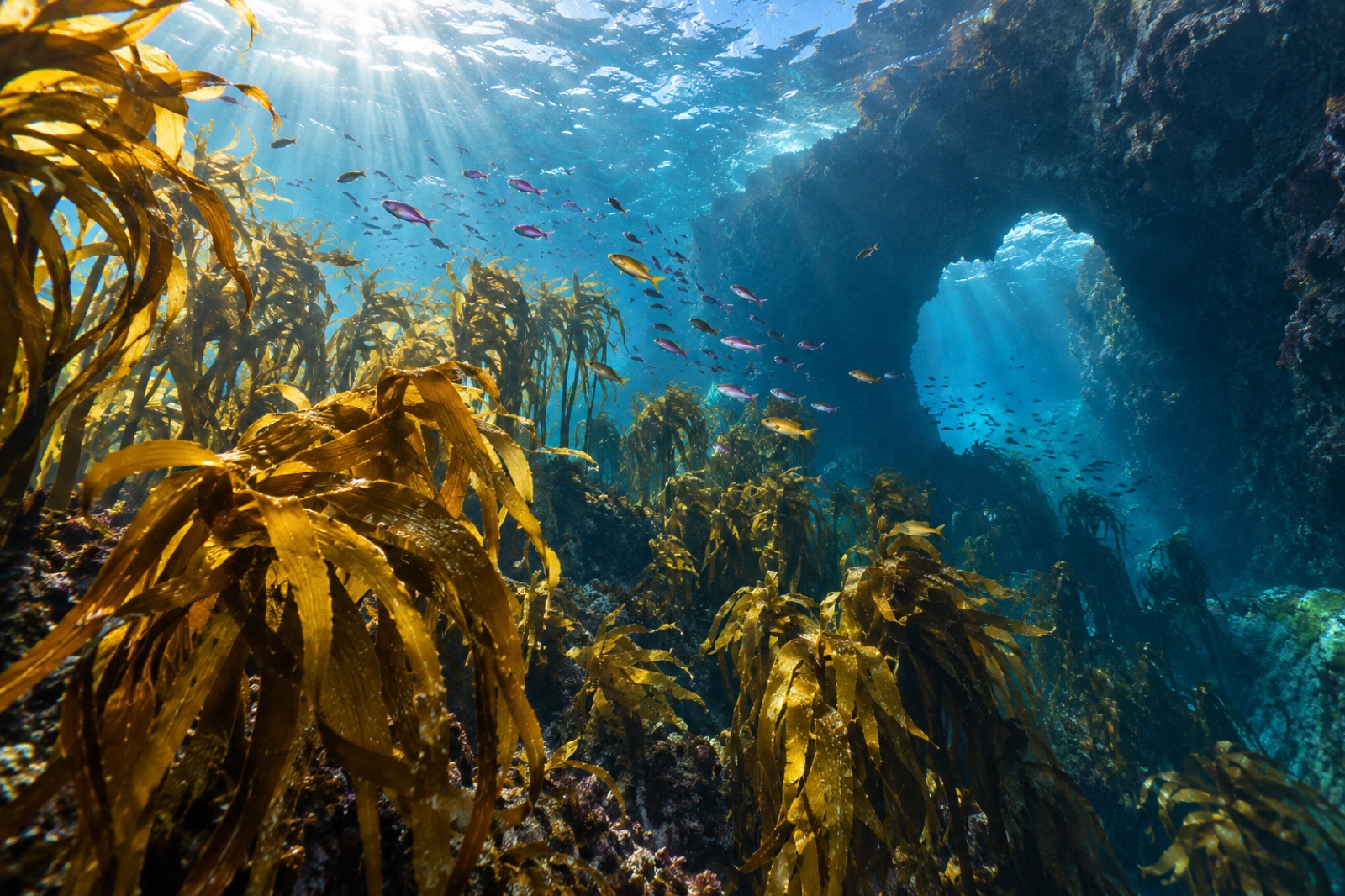
Off New Zealand's Tutukaka Coast, the Poor Knights Islands protect the clearest, warmest kelp forests in the country — and fish that belong to a warmer sea entirely.
Tom Okafor ·
Western Victoria's Portland coast mixes Australia’s only mainland gannet colony, summer blue whales and golden kelp beds fed by the Bonney upwelling.
Dr. Mara Ellison ·

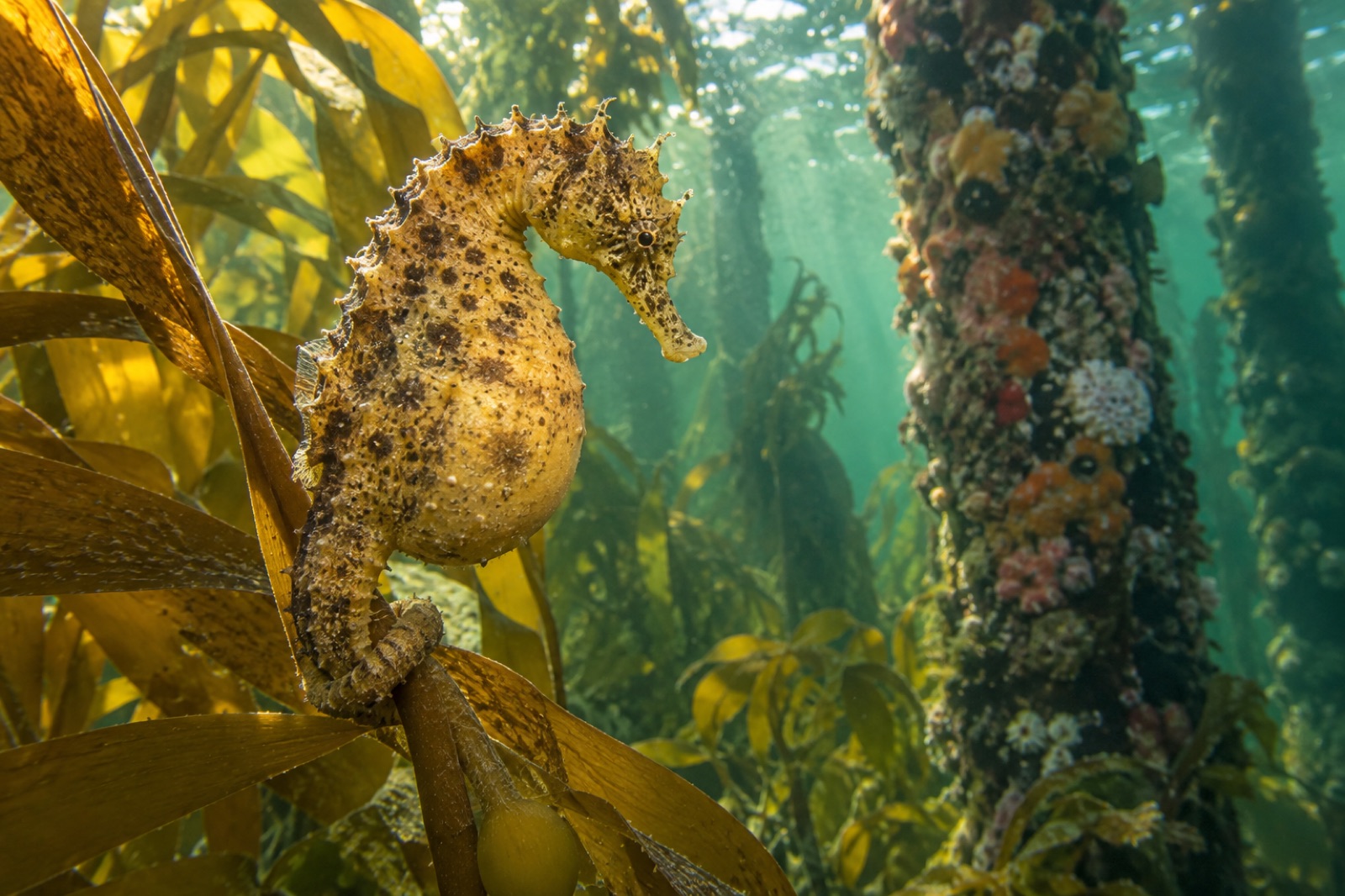
Hippocampus abdominalis, the pot-bellied seahorse, is one of the world's largest seahorses — a slow, golden giant of Australian and New Zealand kelp gardens.
Dr. Theo Nakamura ·
Four volcanic islands on the Bering Sea shelf — half the world's northern fur seals, millions of seabirds, sea ice to the doorstep, and kelp along the rims.
Dr. Mara Ellison ·
Glacial fjords, returning sea otters and slow kelp regrowth after oil and ice loss — a field guide to Prince William Sound, Alaska's living laboratory.
Tom Okafor ·

Aquarists, life-support operators, vet teams and educators keep aquariums alive. An honest map of careers behind the glass — and how volunteering opens the door.
Jack Callum ·
Crassadoma gigantea, the purple-hinged rock scallop, cements itself to rock for life and filters the kelp forest's currents behind a bright orange mantle. ID and ecology.
Dr. Theo Nakamura ·
The purple shore crab is the little purple scavenger under nearly every rock on Pacific rocky shores — a key cleaner linking the kelp forest to the tide line.
Dr. Mara Ellison ·
The quillback rockfish is a long-lived, deep-bodied resident of Pacific kelp reefs — orange-freckled, fiercely site-loyal and one of the slowest fish to grow old.
Dr. Theo Nakamura ·

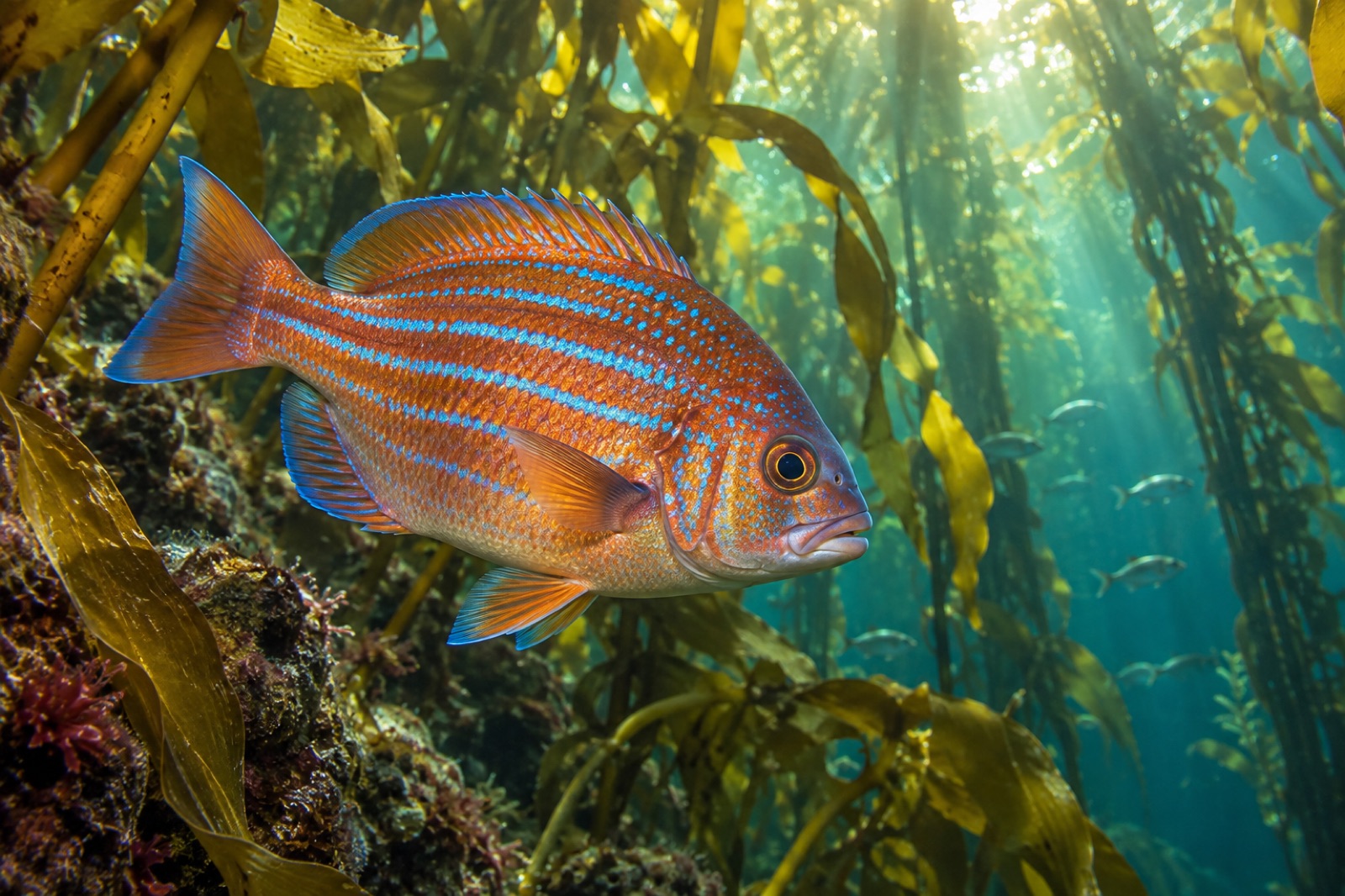
The rainbow seaperch is the most colourful fish in California kelp — a live-bearing surfperch in red, blue and gold that gives birth to fully formed young.
Dr. Theo Nakamura ·
Rainbow star (Orthasterias koehleri): a red-and-orange sea star of Pacific kelp reefs that eats snails, clams and even small sea urchins.
Dr. Mara Ellison ·
As oceans warm, tropical herbivores and warm-adapted species are moving poleward into kelp reefs — reshaping forests from Tasmania to Japan. The science of tropicalization.
Dr. Lena Fischer ·
Fresh kelp lives or dies by temperature discipline. A practical cold chain guide for seaweed farms: chilling, packing, freight options and shelf life, from boat to buyer.
Naomi Reyes ·
Swell height is only a third of the story. Learn to read period, direction, wind, tide and sea state so you can judge a site before you pack the car.
Tom Okafor ·
Significant wave height, swell period, direction, water temperature — learn to decode ocean buoy reports like a waterman and plan safer, better days on the sea.
Tom Okafor ·
Read tide heights, datum, slack water and the rule of twelfths — a practical guide to timing tidepools, shore dives and beach walks safely.
Tom Okafor ·
Red Irish lords are mottled, spiny, glued-to-the-rock sculpins that vanish against red algae and barnacles — a masterclass in benthic camouflage.
Dr. Theo Nakamura ·
Red octopus dens stitch a kelp reef together: midden maps, den real estate, Jervis Bay octopus cities and the reef's patchwork of night hunters.
Dr. Mara Ellison ·
Cancer productus owns the rocky shallows of the Pacific coast: crushing claws, black-tipped pincers, and a quiet role policing urchins. ID, biology, fishery.
Dr. Mara Ellison ·
The red sponge dorid (Rostanga pulchra) lives, feeds and hides on one red sponge — a thumbprint-size lesson in camouflage every tidepooler can find.
Dr. Theo Nakamura ·
What causes red tides and harmful algal blooms, the toxins behind shellfish closures, why warming waters are shifting the risk, and how scientists watch for them.
Dr. Lena Fischer ·
The red turban snail (Chlorostoma funebralis) grazes the kelp forest's turf night and day — and when its numbers swing, whole reefs can tilt. A species profile.
Dr. Theo Nakamura ·
Healthy kelp forests crackle, rasp and croak. Researchers now eavesdrop with hydrophones to judge reef health — and even use sound as a restoration tool.
Dr. Mara Ellison ·