Science8 min read
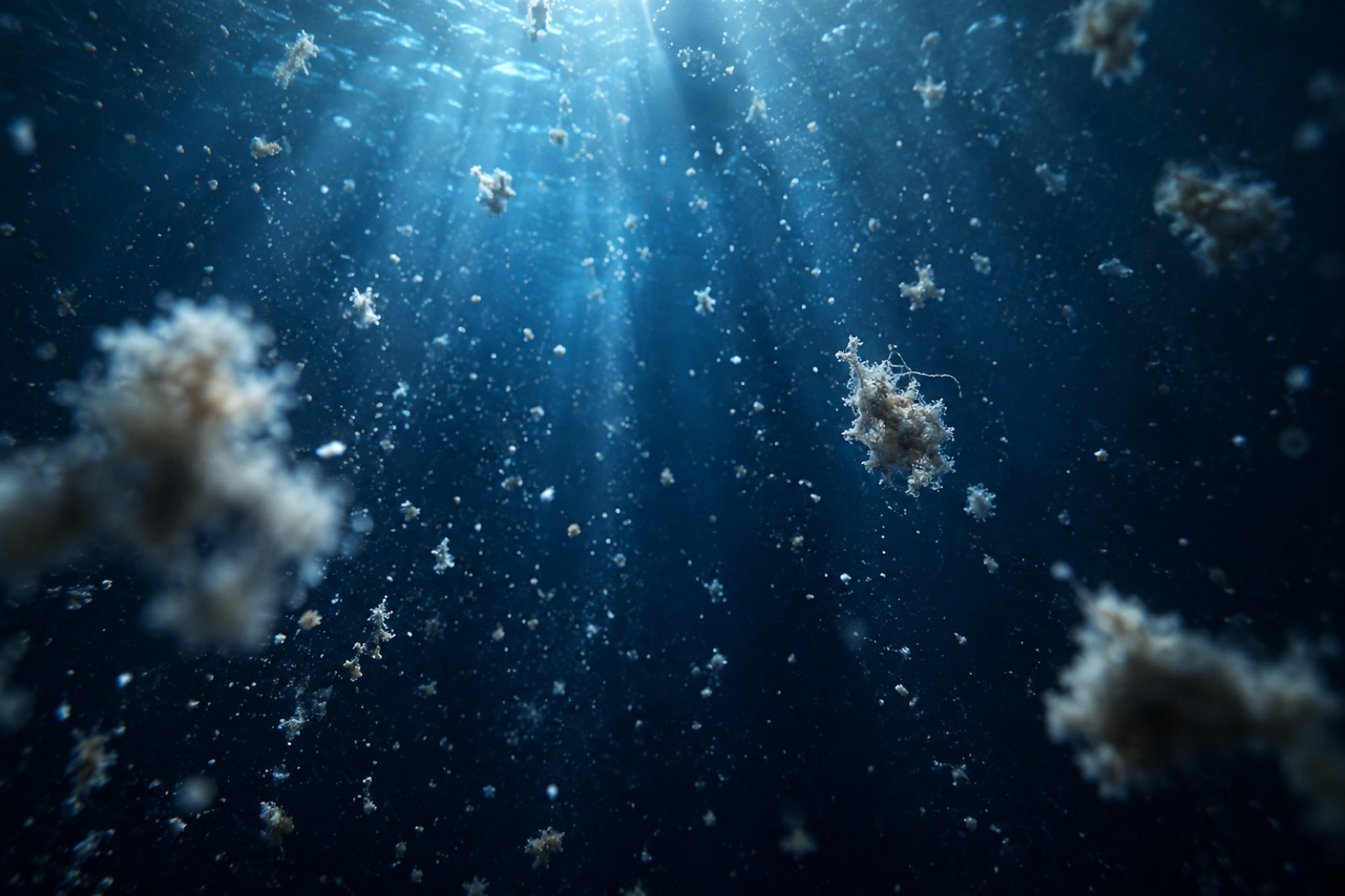
Marine Snow: The Ocean's Slow Carbon Conveyor
Marine snow is the ocean's constant drizzle of sinking organic matter — and one of the main routes by which carbon reaches the deep sea. Here's how it works.
Priya Raman ·
Explainers on the physics, chemistry and biology of temperate seas — marine heatwaves, upwelling, holdfast biology, trophic cascades, eDNA.
213 articles
Marine snow is the ocean's constant drizzle of sinking organic matter — and one of the main routes by which carbon reaches the deep sea. Here's how it works.
Priya Raman ·
Marine snow is more than falling debris — each flake is a sticky, living microhabitat. How aggregates form, who lives on them, and why they matter.
Dr. Theo Nakamura ·
Kelp forests shed huge amounts of carbon as detritus. How storms, microbes and sticky aggregates turn that debris into marine snow — and where it lands.
Priya Raman ·
How oceanographers measure seawater pH and alkalinity, why it's harder than it looks, the sensor zoo from Argo floats to moorings, and what the numbers mean.
Dr. Lena Fischer ·
Mesoscale eddies — the ocean's weather systems — shuttle nutrients and larvae across continental shelves. How they form, how they're seen, why kelp cares.
Dr. Lena Fischer ·
Most of the ocean's carbon never gets bitten by anything. Meet the microbial loop — the invisible recycling circuit that turns leaks and corpses back into food.
Dr. Mara Ellison ·
Tiny plastic fragments have reached every ocean habitat, kelp forests included. What the evidence shows about microplastics on reefs — and the honest gaps.
Dr. Mara Ellison ·
What do microplastic monitoring programs actually measure on kelp coasts — and what do the results say? Sources, exposure pathways and the honest state of the data.
Dr. Mara Ellison ·
The ocean's mixed layer — its wind-stirred surface engine — sets how much light plankton see and when deep nutrients return. How mixed layer depth works and why it matters.
Dr. Lena Fischer ·
A single marine reserve protects what lives inside it. A network of reserves, sized and spaced for drifting larvae, can protect a whole coastline. Here's the science.
Dr. Mara Ellison ·
How nitrogen moves through coastal ecosystems — nitrate, ammonium, microbes and upwelling — and why the nitrogen cycle decides where kelp forests thrive.
Dr. Theo Nakamura ·
Rising CO₂ acidifies seawater — but it also fertilises algae. What ocean acidification really does to kelp growth, urchins and whole reef food webs.
Dr. Theo Nakamura ·
The biological carbon pump moves billions of tonnes of carbon from the sunlit surface into the deep ocean every year. Here's how the living conveyor works.
Priya Raman ·
Why the sea turns green, turquoise or milky — and how ocean-colour satellites read chlorophyll from orbit to map blooms, currents and ocean life.
Dr. Mara Ellison ·
The ocean is losing oxygen — measurably and globally. How warming and nutrient stress squeeze marine life's air supply, and what that does to kelp forests.
Dr. Lena Fischer ·
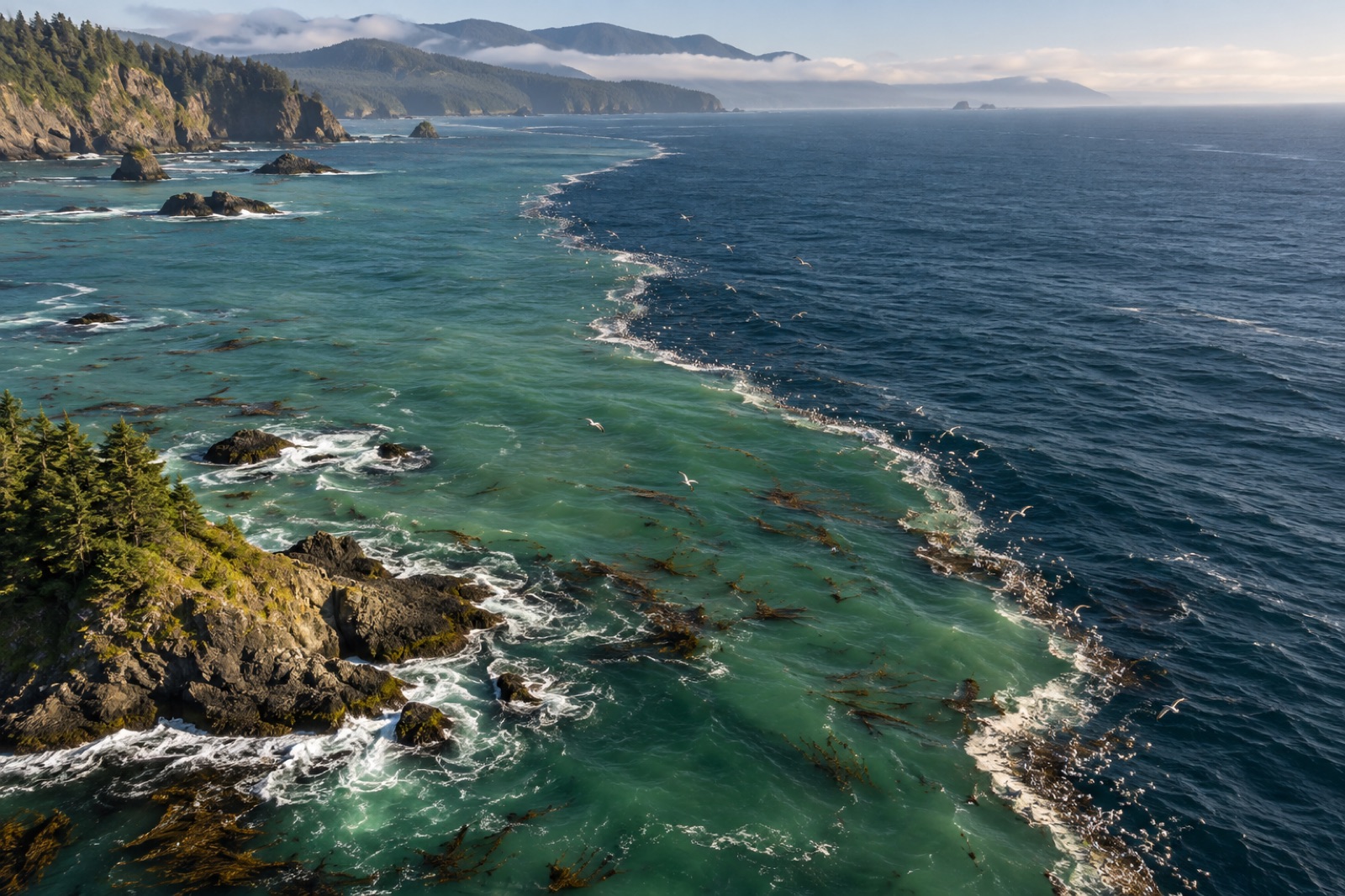
Ocean fronts — the sharp boundaries where different water masses collide — concentrate plankton, baitfish and predators into living lines. Here's why they matter.
Dr. Lena Fischer ·
Ocean gliders ride buoyancy, not propellers, for months at sea. How these slow torpedo-shaped robots survey storms, currents and kelp coasts on sips of power.
Dr. Mara Ellison ·
Five vast gyres turn like slow wheels in every ocean basin, shaping currents, climate and where plastic gathers. Here's how ocean gyres actually work.
Dr. Lena Fischer ·
Over 90 percent of the planet's trapped heat is in the ocean. How we measure ocean heat content, from expendable probes to 4,000 drifting floats — and why it matters.
Dr. Lena Fischer ·
Kelp blades and diatom blooms run on four nutrients: nitrogen, phosphorus, silica and iron. Where each comes from, where it runs out, and why that shapes the sea.
Dr. Theo Nakamura ·
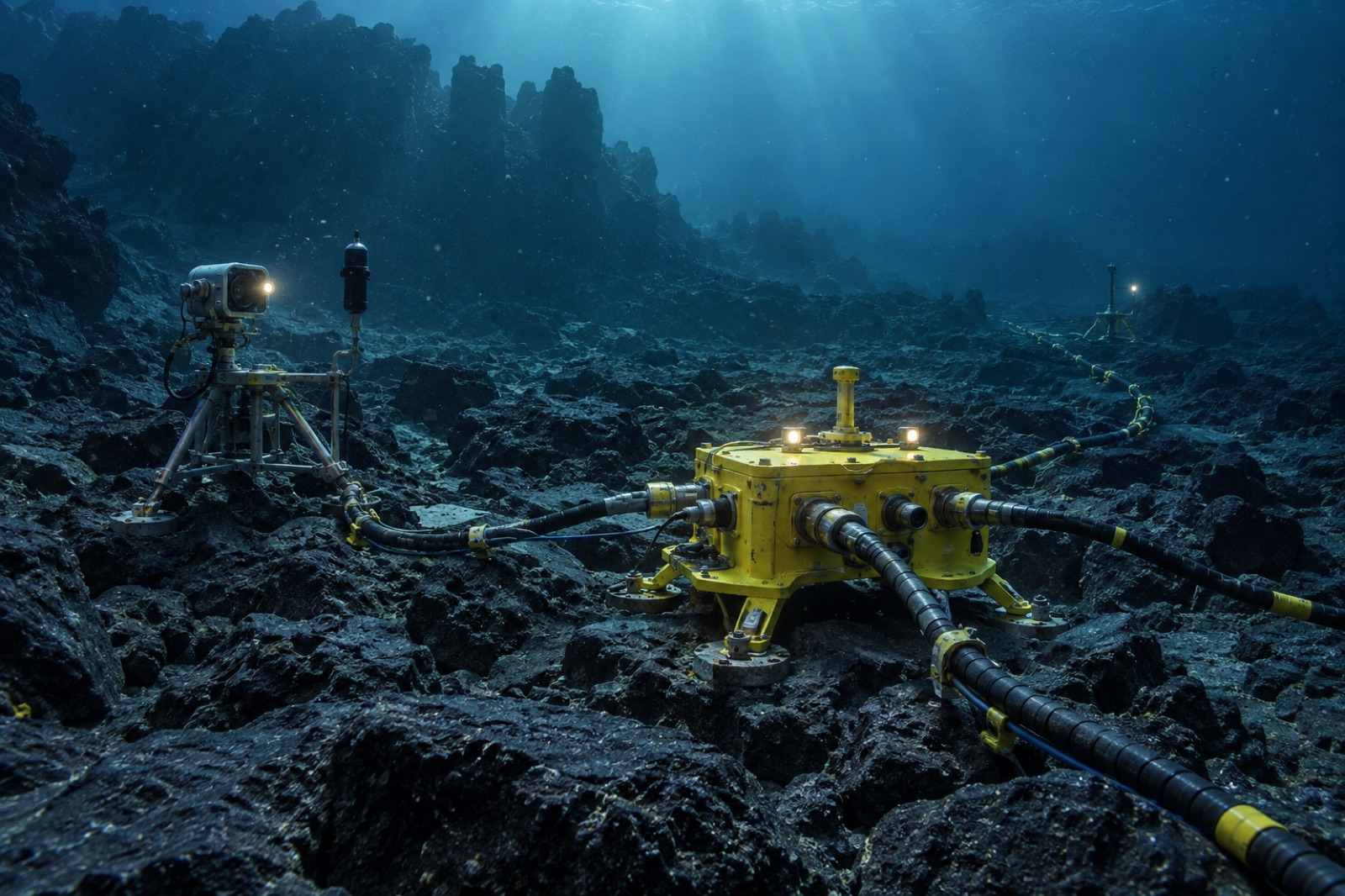
Cabled ocean observatories plug the deep sea into fibre and power, streaming data around the clock. What these wired reefs see that research ships can't.
Dr. Lena Fischer ·
'Every second breath comes from the ocean' — true, and incomplete. Here's the ocean's real oxygen budget, who pays in, and kelp's honest share.
Dr. Lena Fischer ·
Storms turn coastal water murky, dimming the light kelp depends on. How turbidity works, where the sediment comes from, and how long forests stay in the dark.
Dr. Mara Ellison ·
Kelp blades can't drink faster than the water next to them allows. How blade-scale turbulence and boundary layers quietly control how fast a whole forest eats.
Dr. Lena Fischer ·