Science8 min read
Counting Fish With Sound: Acoustic Surveys Explained
How do you count fish you can't see? Acoustic surveys use sonar to turn echoes into biomass estimates. Here's how echosounders work — and their limits.
Dr. Mara Ellison ·
48 articles
How do you count fish you can't see? Acoustic surveys use sonar to turn echoes into biomass estimates. Here's how echosounders work — and their limits.
Dr. Mara Ellison ·
Nearly 4,000 drifting robots take the ocean's temperature from within. How Argo profiling floats work, what they measure, and why the data is free.
Dr. Lena Fischer ·
Food produced in sunlit surface water rains down to feed the seafloor, and the seafloor recycles nutrients back up. How benthic-pelagic coupling runs a kelp forest.
Dr. Mara Ellison ·
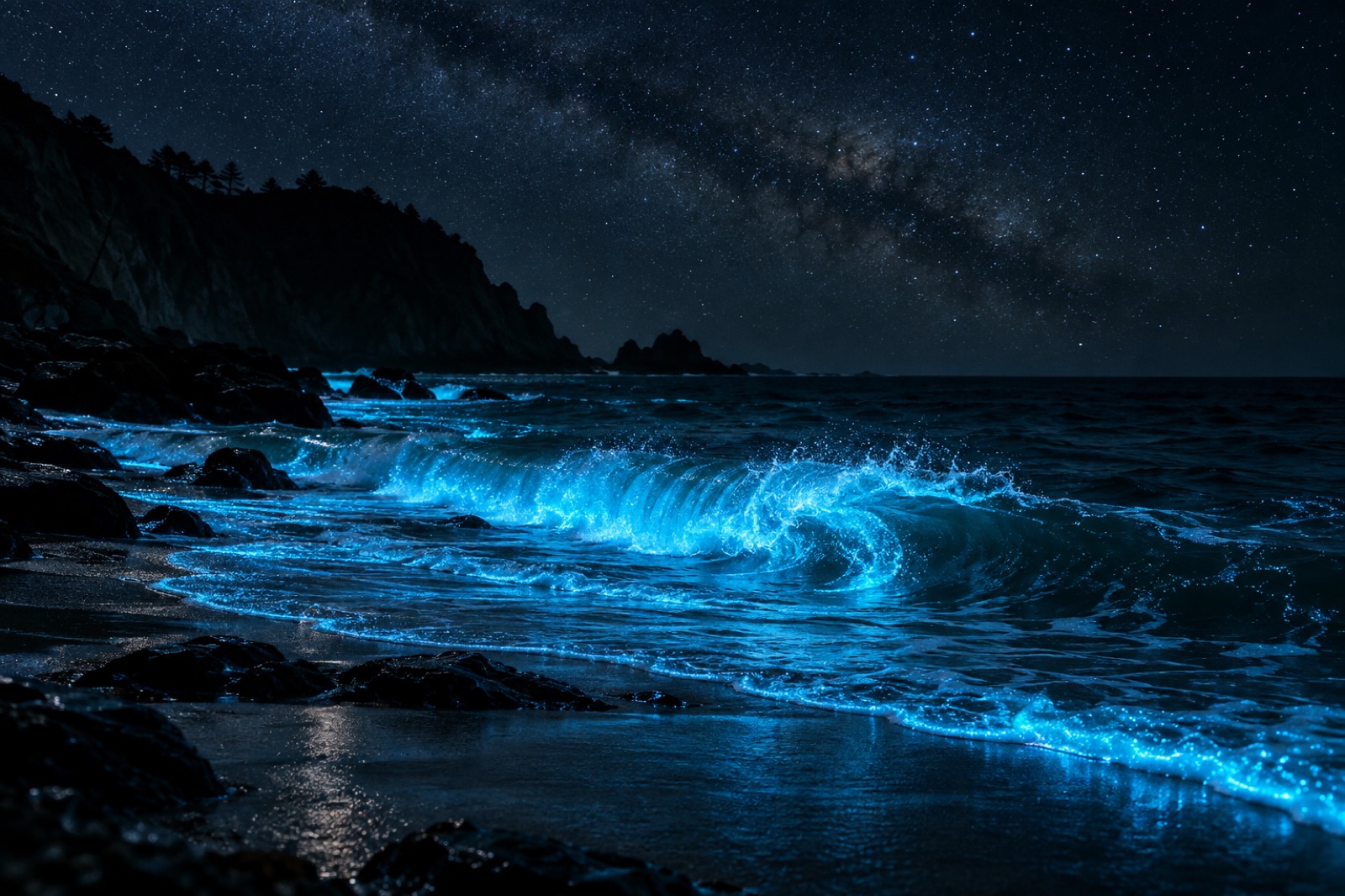
Glowing waves, sparkling wakes and milky seas: the chemistry and ecology of bioluminescence, and how to see the ocean light up yourself.
Dr. Mara Ellison ·
Good kelp carbon claims start with good field design. A practical guide to plots, transects, replicates, stratification and the statistics of underwater surveys.
Dr. Mara Ellison ·
Nutrient pollution feeds opportunistic algae that shade and smother kelp, while rotting blooms strip oxygen. How eutrophication degrades kelp coasts.
Dr. Theo Nakamura ·
A CTD cast reads temperature, salt and depth through the whole water column. Inside the instrument that gave oceanography its vertical vision.
Dr. Lena Fischer ·
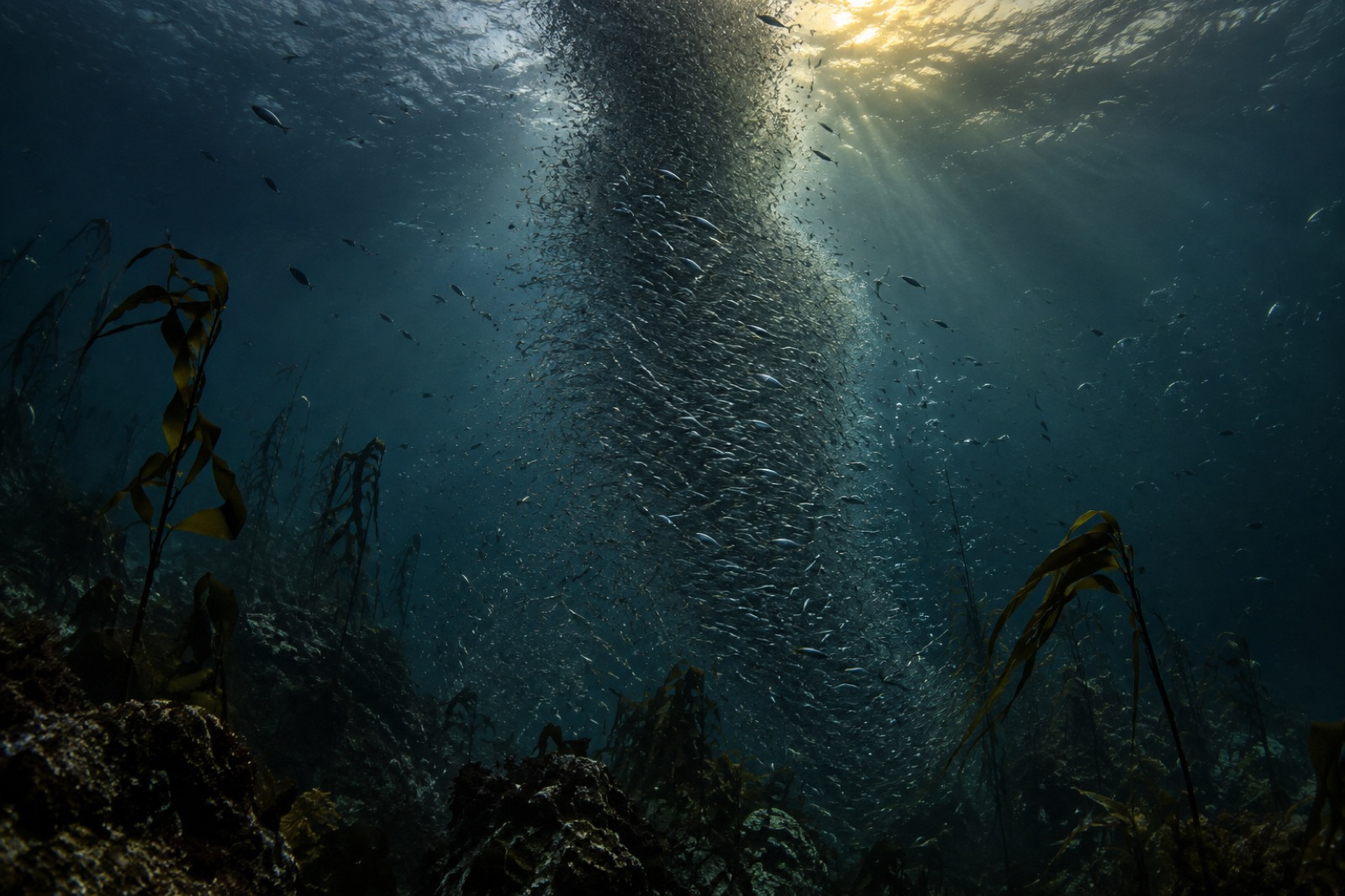
Every night, billions of animals rise hundreds of metres to feed, then sink before dawn. How the largest daily migration on Earth threads through kelp food webs.
Dr. Mara Ellison ·
The ocean's biggest waves never break the surface. How internal waves ride the hidden boundary between water layers and deliver cold nutrients to kelp forests.
Dr. Lena Fischer ·
Kelp doesn't just grow — it builds. As an ecosystem engineer, kelp reshapes light, flow, chemistry and shelter to create habitat for thousands of species.
Dr. Mara Ellison ·
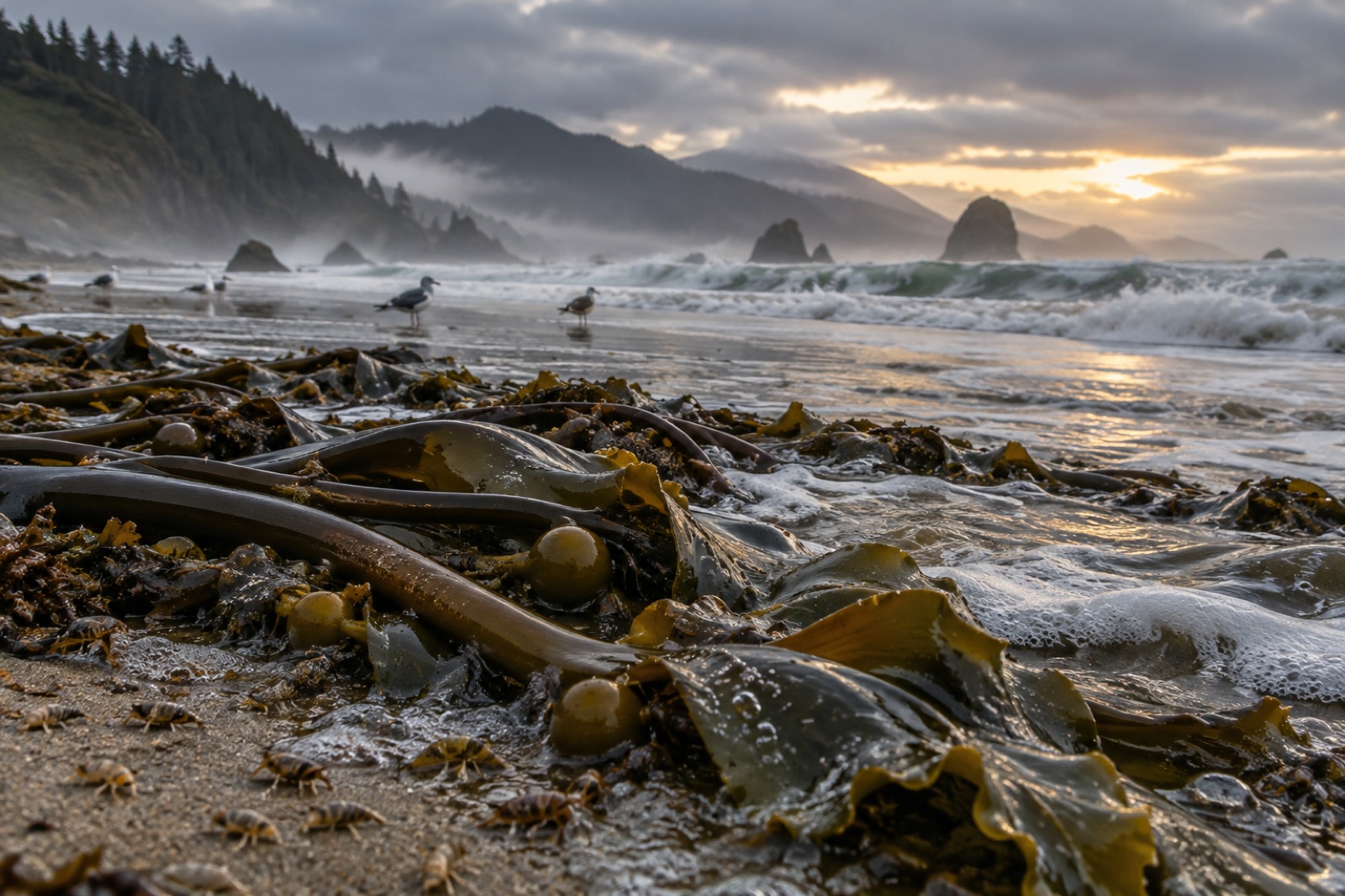
Kelp grows fast and dies young. Follow its carbon from sunlit blade to beach wrack, deep-sea fall and seafloor sediment — the full journey of kelp detritus.
Dr. Lena Fischer ·
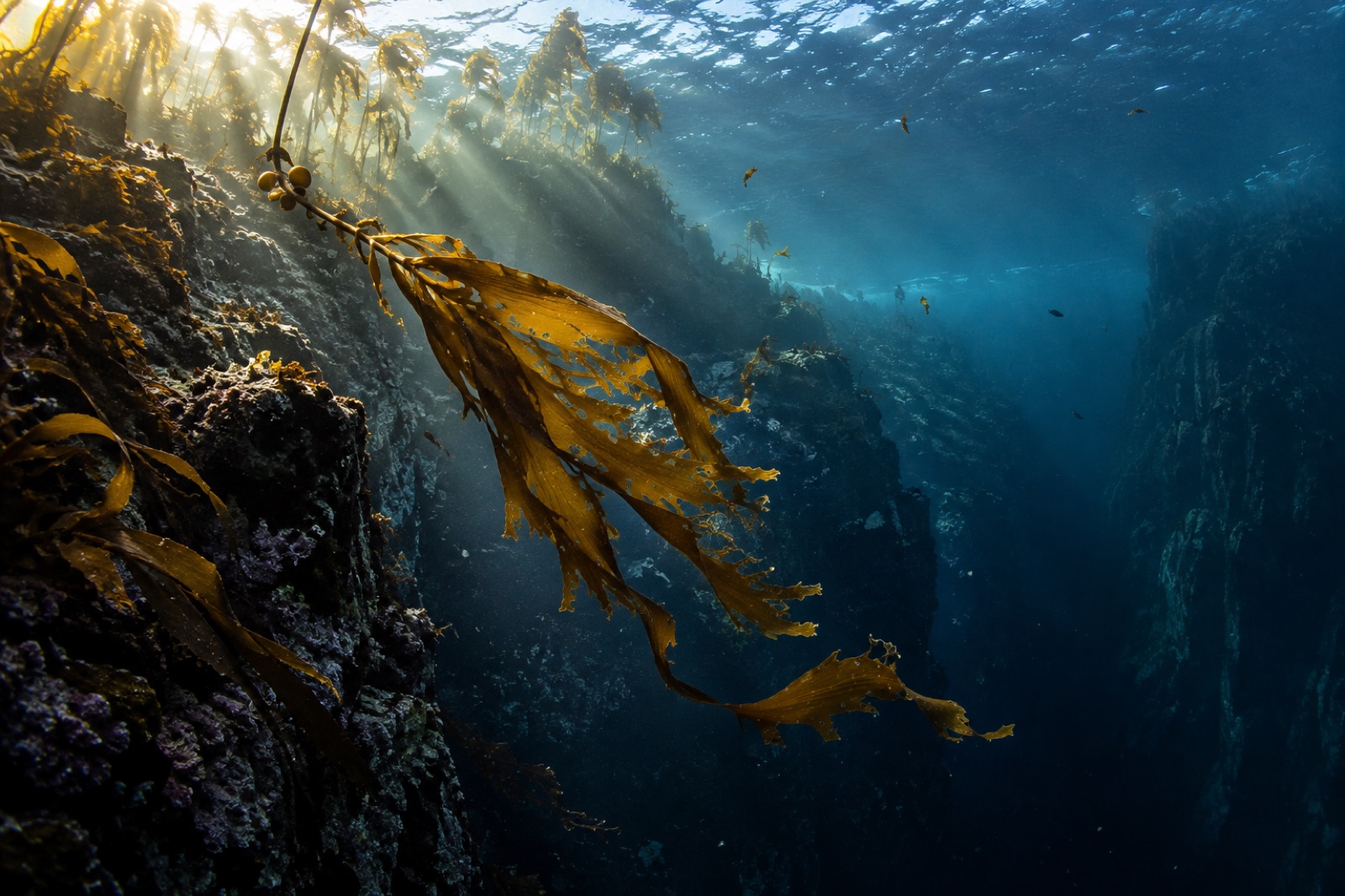
Kelp forests don't bury carbon where they grow — they export it. Tracing fragments, dissolved carbon and currents from canopy to the deep sea, and how science tracks them.
Dr. Mara Ellison ·
Kelp forests run on an annual clock of light, temperature and nutrients. Learn how kelp phenology works, why it's shifting, and why timing runs restoration.
Dr. Theo Nakamura ·
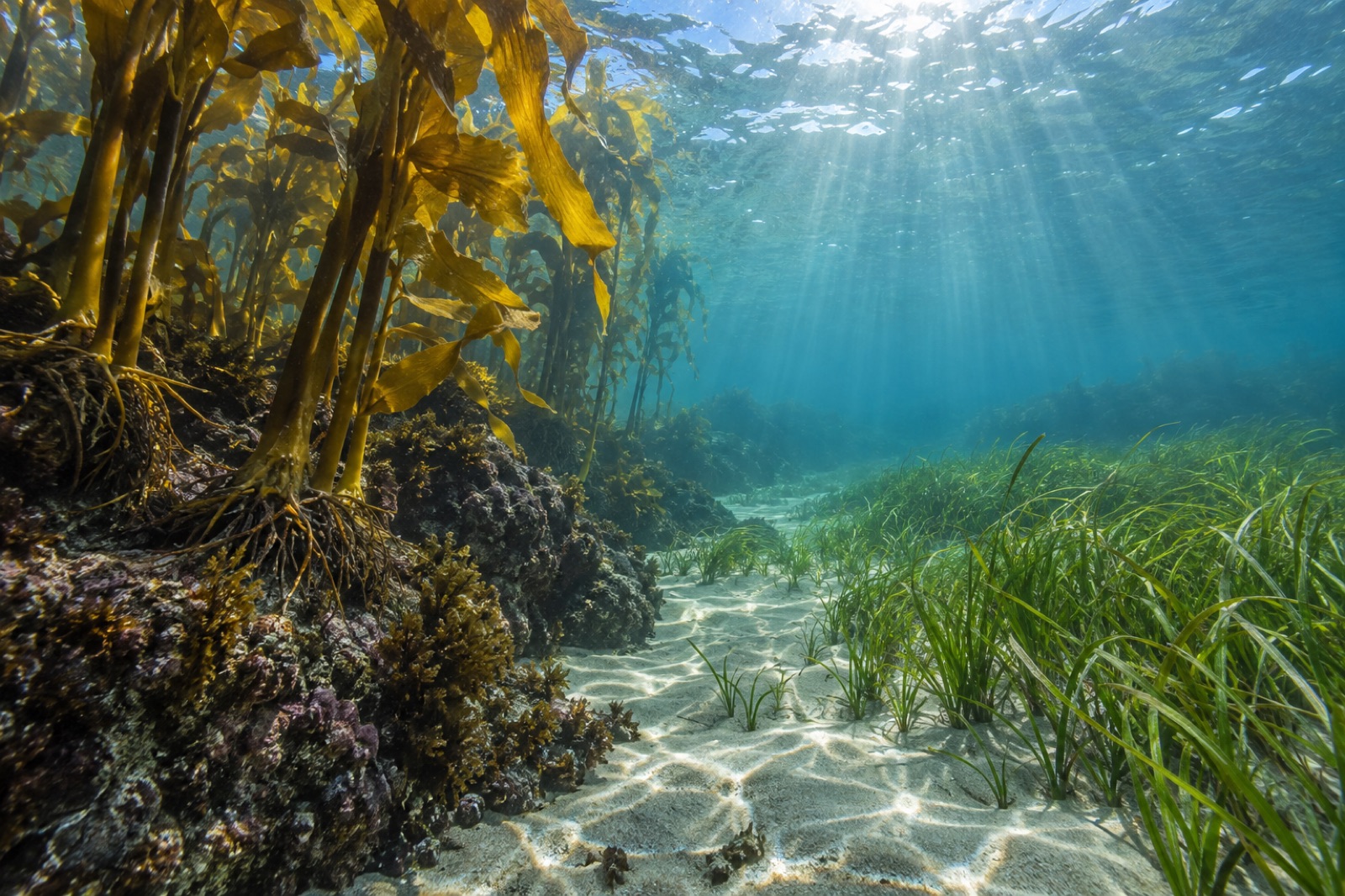
Kelp is an alga; seagrass is a flowering plant. How the ocean's two great habitats differ in biology, range, carbon storage and the ways we restore them.
Dr. Theo Nakamura ·
King tides are the year's highest tides — astronomy, not weather. How perigee, syzygy and the solstices stack up, and why they preview our coastal future.
Dr. Lena Fischer ·
Kelp spores rarely travel far, while fish and invertebrate larvae ride currents for weeks. How dispersal distance shapes reef recovery and restoration design.
Dr. Elias Brandt ·
Almost every reef animal and alga spreads as a drifting larva or spore. How far they travel — and which reefs talk to which — decides how kelp recovers.
Dr. Mara Ellison ·
Nitrogen feeds every kelp blade and limits most ocean growth. A plain-language tour of the marine nitrogen cycle — fixation, upwelling, uptake and loss.
Dr. Theo Nakamura ·
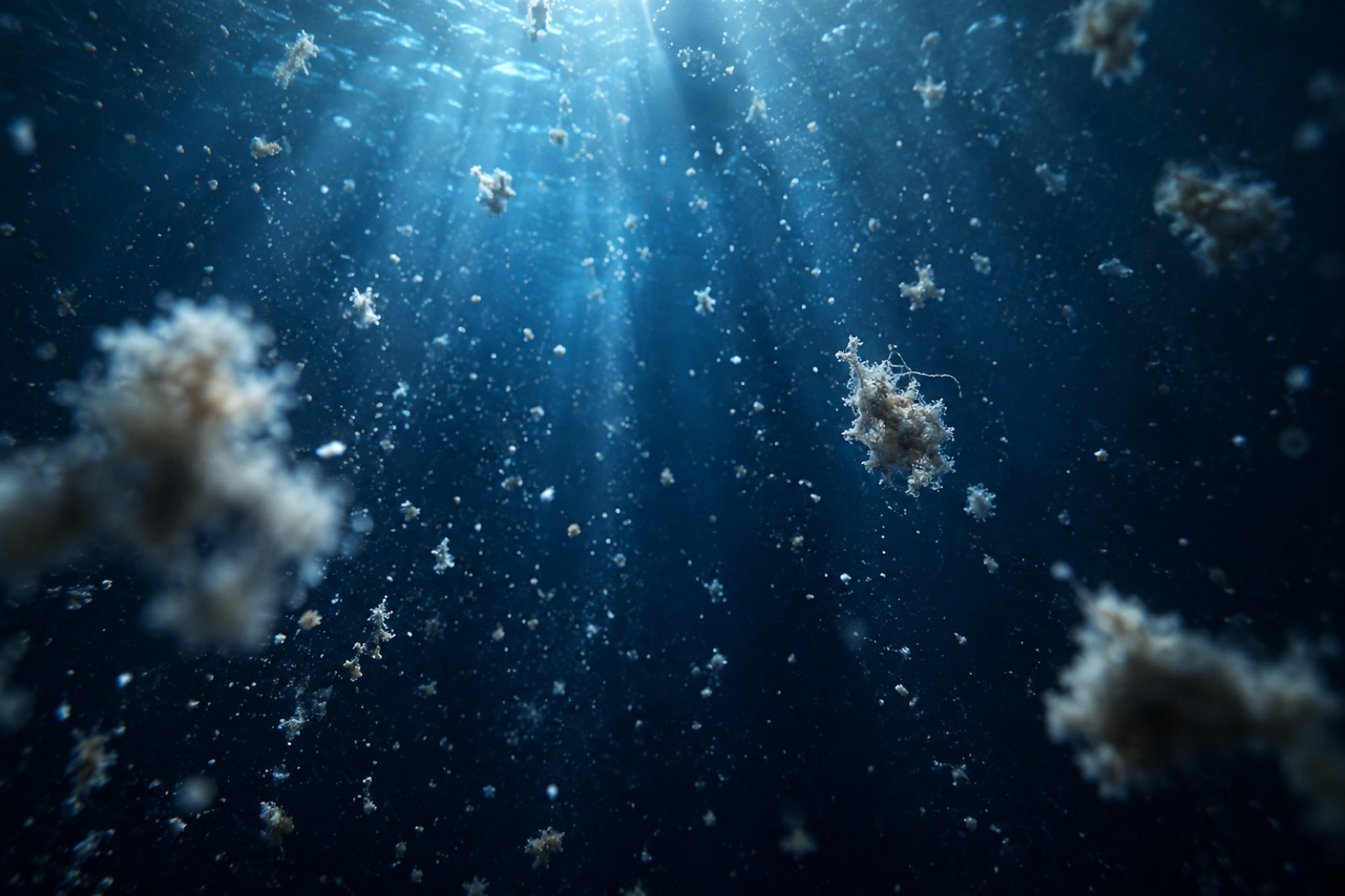
Marine snow is the ocean's constant drizzle of sinking organic matter — and one of the main routes by which carbon reaches the deep sea. Here's how it works.
Priya Raman ·
Marine snow is more than falling debris — each flake is a sticky, living microhabitat. How aggregates form, who lives on them, and why they matter.
Dr. Theo Nakamura ·
Kelp carbon counts only when it leaves the forest and stays gone. The traps, biomarkers, isotopes and models scientists use to track it into the deep.
Priya Raman ·
Tiny plastic fragments have reached every ocean habitat, kelp forests included. What the evidence shows about microplastics on reefs — and the honest gaps.
Dr. Mara Ellison ·
Why the sea turns green, turquoise or milky — and how ocean-colour satellites read chlorophyll from orbit to map blooms, currents and ocean life.
Dr. Mara Ellison ·
The ocean is losing oxygen — measurably and globally. How warming and nutrient stress squeeze marine life's air supply, and what that does to kelp forests.
Dr. Lena Fischer ·
Ocean gliders ride buoyancy, not propellers, for months at sea. How these slow torpedo-shaped robots survey storms, currents and kelp coasts on sips of power.
Dr. Mara Ellison ·
Five vast gyres turn like slow wheels in every ocean basin, shaping currents, climate and where plastic gathers. Here's how ocean gyres actually work.
Dr. Lena Fischer ·
Over 90 percent of the planet's trapped heat is in the ocean. How we measure ocean heat content, from expendable probes to 4,000 drifting floats — and why it matters.
Dr. Lena Fischer ·
Kelp blades and diatom blooms run on four nutrients: nitrogen, phosphorus, silica and iron. Where each comes from, where it runs out, and why that shapes the sea.
Dr. Theo Nakamura ·
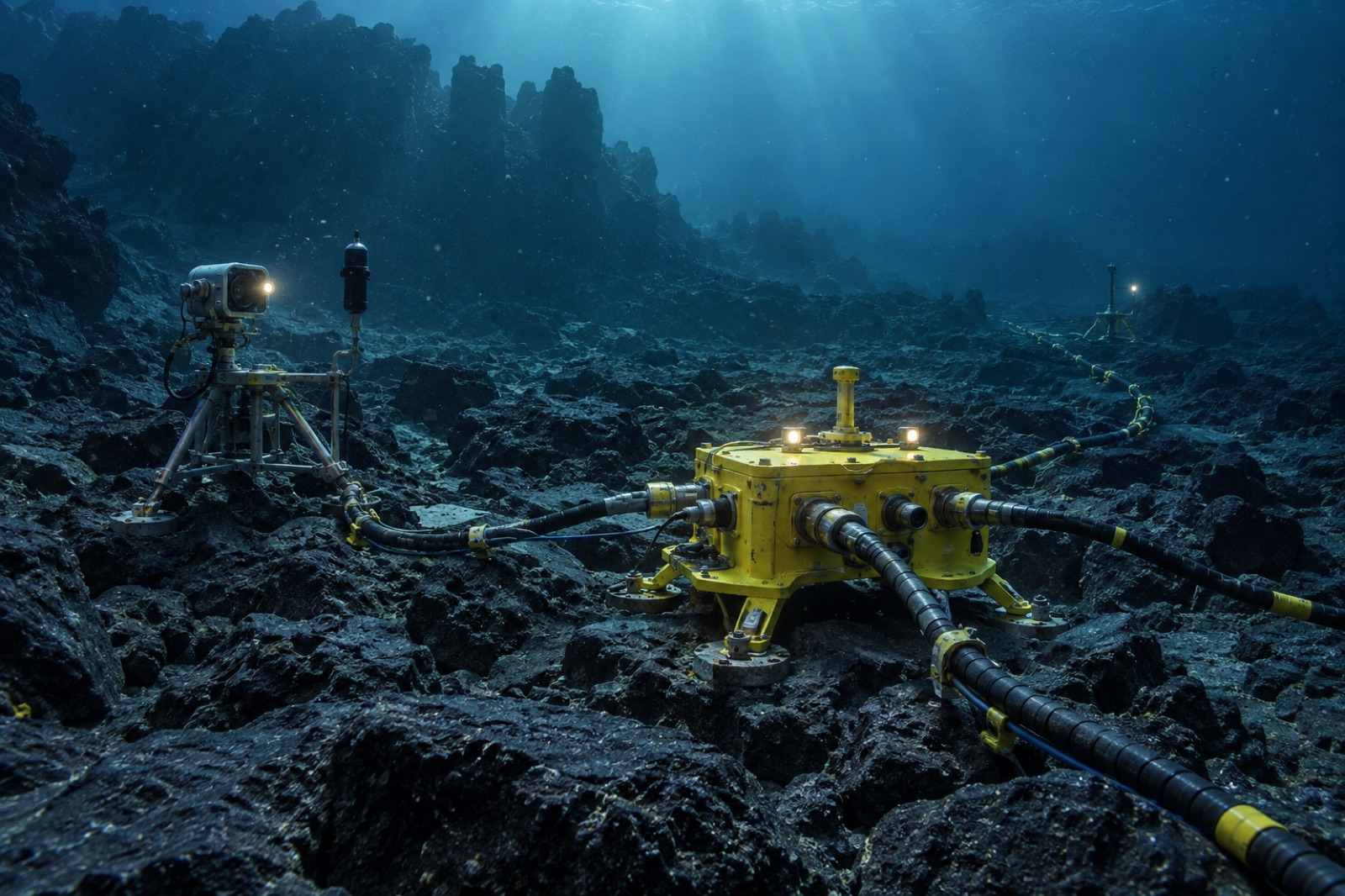
Cabled ocean observatories plug the deep sea into fibre and power, streaming data around the clock. What these wired reefs see that research ships can't.
Dr. Lena Fischer ·
Storms turn coastal water murky, dimming the light kelp depends on. How turbidity works, where the sediment comes from, and how long forests stay in the dark.
Dr. Mara Ellison ·
Kelp blades can't drink faster than the water next to them allows. How blade-scale turbulence and boundary layers quietly control how fast a whole forest eats.
Dr. Lena Fischer ·
River plumes deliver nutrients that feed kelp forests — and floods that smother them in sediment and fresh water. The double-edged physics of the river mouth.
Dr. Lena Fischer ·
Some reefs are too deep, too cold or too dangerous for divers. Remotely operated vehicles take the instruments instead. How ROVs changed reef science.
Tom Okafor ·
From 2013, sea star wasting liquefied stars from Alaska to Mexico and erased the sunflower star, a keystone urchin predator. The science, and the kelp fallout.
Dr. Mara Ellison ·
Kelp forests, seagrass meadows and estuaries trade food, animals and larvae across the coastal mosaic. Why connectivity — not patch size — decides resilience.
Dr. Mara Ellison ·
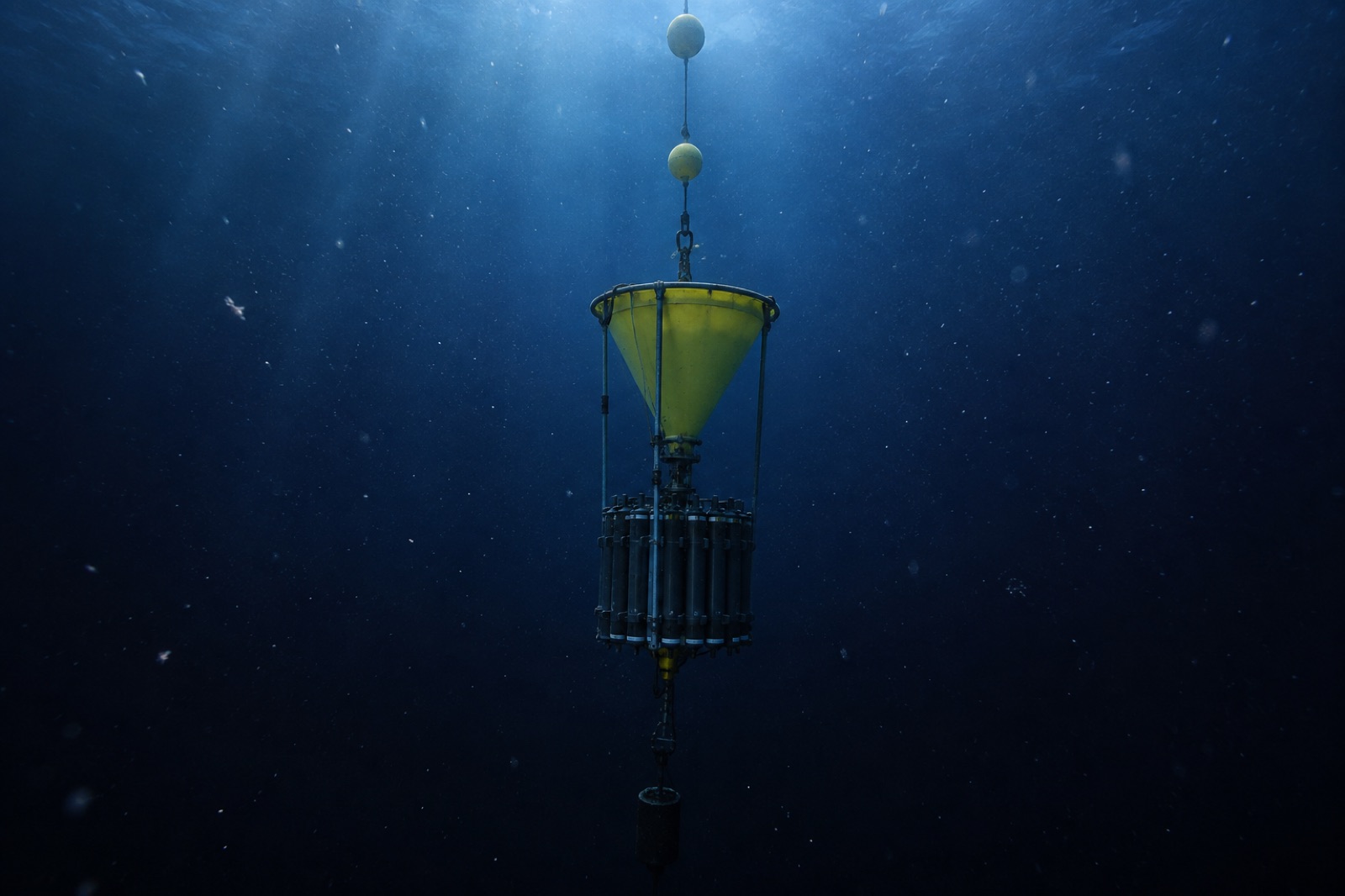
How do we measure carbon sinking through ocean? Sediment traps — moored funnels hundreds of metres deep — catch marine snow and tally the export flux.
Dr. Lena Fischer ·
Carbon and nitrogen isotope ratios let ecologists read what reef animals actually ate — and whether kelp carbon reached them. Here's how the method works.
Dr. Mara Ellison ·
Kelp carbon carries a chemical fingerprint. Stable isotope analysis lets ecologists trace it from blade to grazer to fish — and test restoration claims.
Dr. Theo Nakamura ·
Tides move more water than all the world's rivers. A clear guide to why the sea rises and falls — moon, sun, spring and neap tides, and what it all means for kelp.
Dr. Lena Fischer ·
Waves bend toward shallow water, which concentrates energy on headlands and spreads it in bays. How refraction shapes reefs, kelp forests and coastlines.
Dr. Lena Fischer ·
Kelp looks brown, red seaweeds look red, and grass is green — because each lineage solved the sunlight problem differently. Here's the pigment chemistry of the sea.
Dr. Theo Nakamura ·
Environmental DNA lets scientists census a kelp forest from a few litres of seawater. How eDNA surveys work, what they miss, and why they matter.
Dr. Mara Ellison ·
Kelp grows as fast as any forest on Earth, but where does its carbon actually go? The genuine science, the real sinks and the honest uncertainties.
Dr. Mara Ellison ·
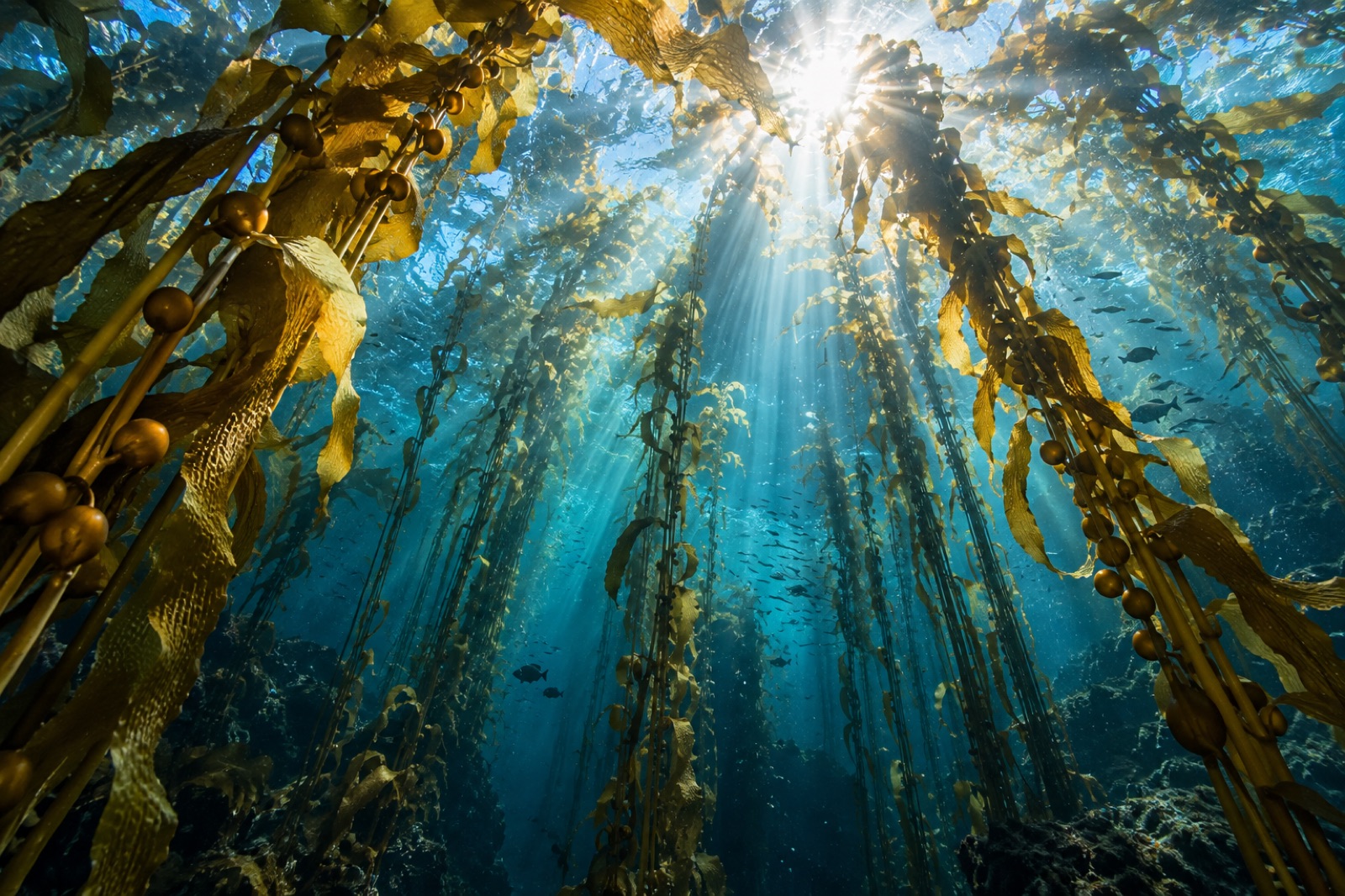
Why is kelp brown, not green? The answer is a pigment strategy tuned to underwater light — and it explains how kelp forests become some of Earth's most productive ecosystems.
Dr. Theo Nakamura ·
Cold water drinks CO2, and the overturning circulation locks it away for centuries. How the ocean's solubility carbon pump works — and what it costs.
Dr. Lena Fischer ·
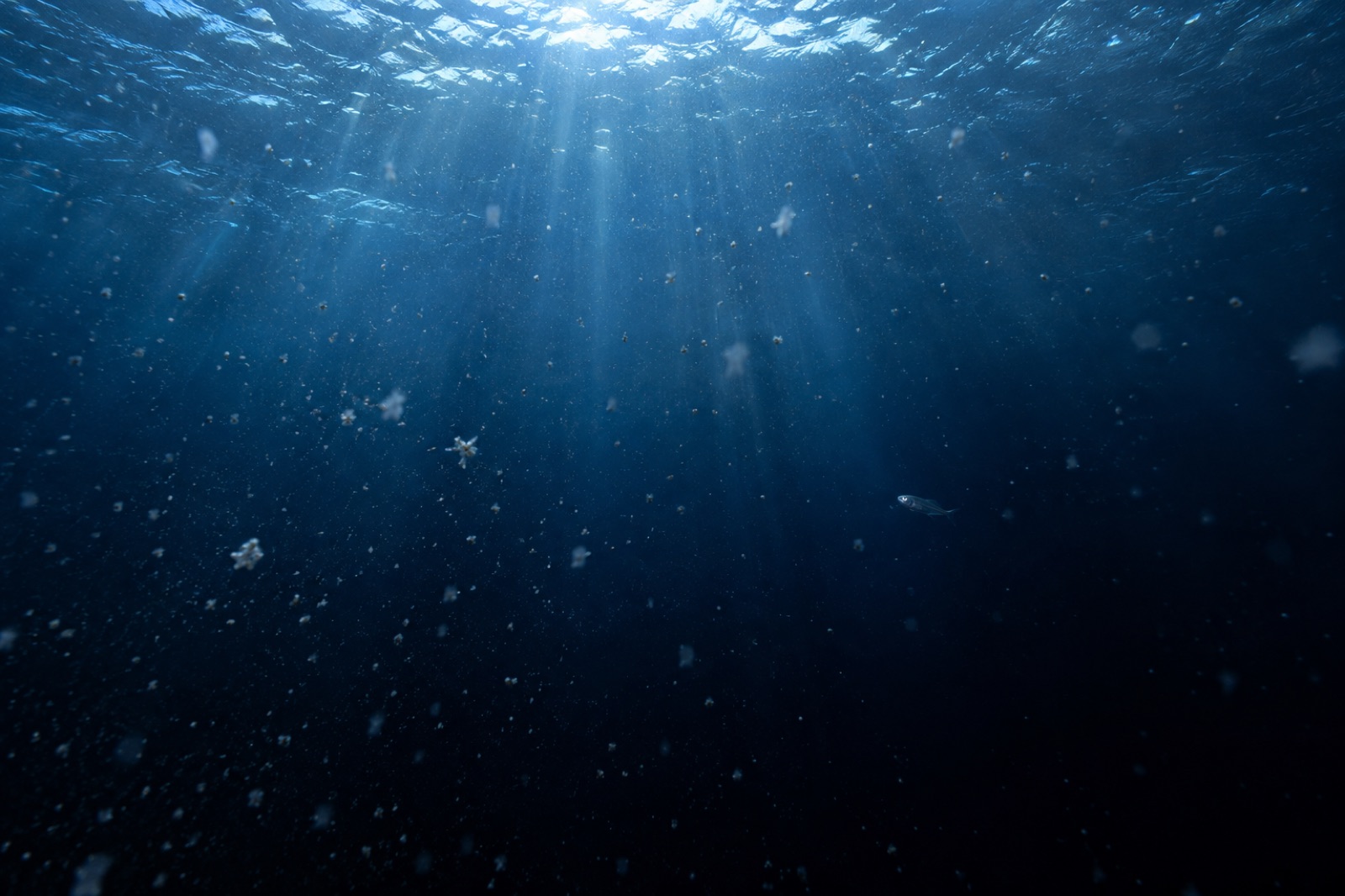
Every day, ocean life sends carbon raining into the deep. How the biological carbon pump works, who drives it, and how long its cargo stays buried.
Dr. Lena Fischer ·
One ratio — 106 carbon, 16 nitrogen, 1 phosphorus — runs through plankton and deep water alike. What the Redfield ratio reveals about a changing sea.
Dr. Theo Nakamura ·
What a marine biology degree actually delivers: the jobs it opens, the salaries it misses, when it pays off, and smarter alternatives for some students.
Dr. Theo Nakamura ·