Field Notes8 min read
Field Notes: Abalone Back in the Quadrats
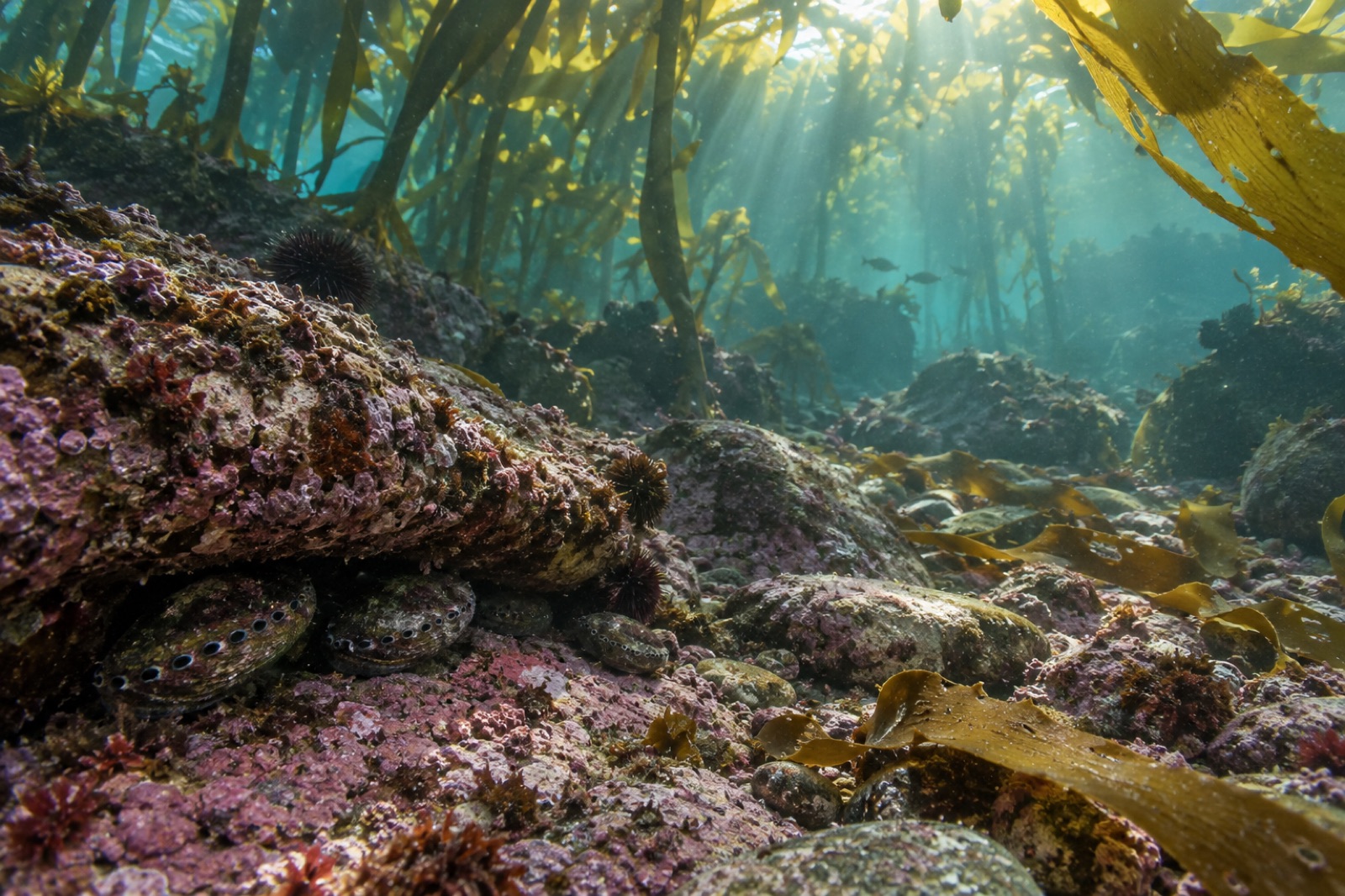
Seven years after seeding began on Tasmania's Lumeriah Coast, juvenile blacklip abalone are turning up in the monitoring quadrats again. Here's why that matters.
Dr. Mara Ellison ·
83 articles
Seven years after seeding began on Tasmania's Lumeriah Coast, juvenile blacklip abalone are turning up in the monitoring quadrats again. Here's why that matters.
Dr. Mara Ellison ·
Tidewright's first Humboldt Coast season: working alongside local diver unions, learning huiro protocols, and finding out what the Chilean coast teaches back.
Jack Callum ·
A mid-life refit of Tidewright's hardest-worked vessel: what two seasons of reef surveys did to Drifter 7, and what the wear patterns taught the design team.
Jack Callum ·
Six days on Tasmania's kelp front line: a day-by-day diary of the baseline survey that will decide where Tidewright's next restoration lines go.
Jack Callum ·
A Tidewright field note from Chile's Coquimbo coast: twelve days of sonar, CTD casts and dive transects to write the first baseline for our newest kelp program.
Dr. Lena Fischer ·
A Tidewright field note: twice a year, volunteers walk Tasmania's beaches counting cast kelp — because the wrack line tells us what the reef can't.
Dr. Mara Ellison ·
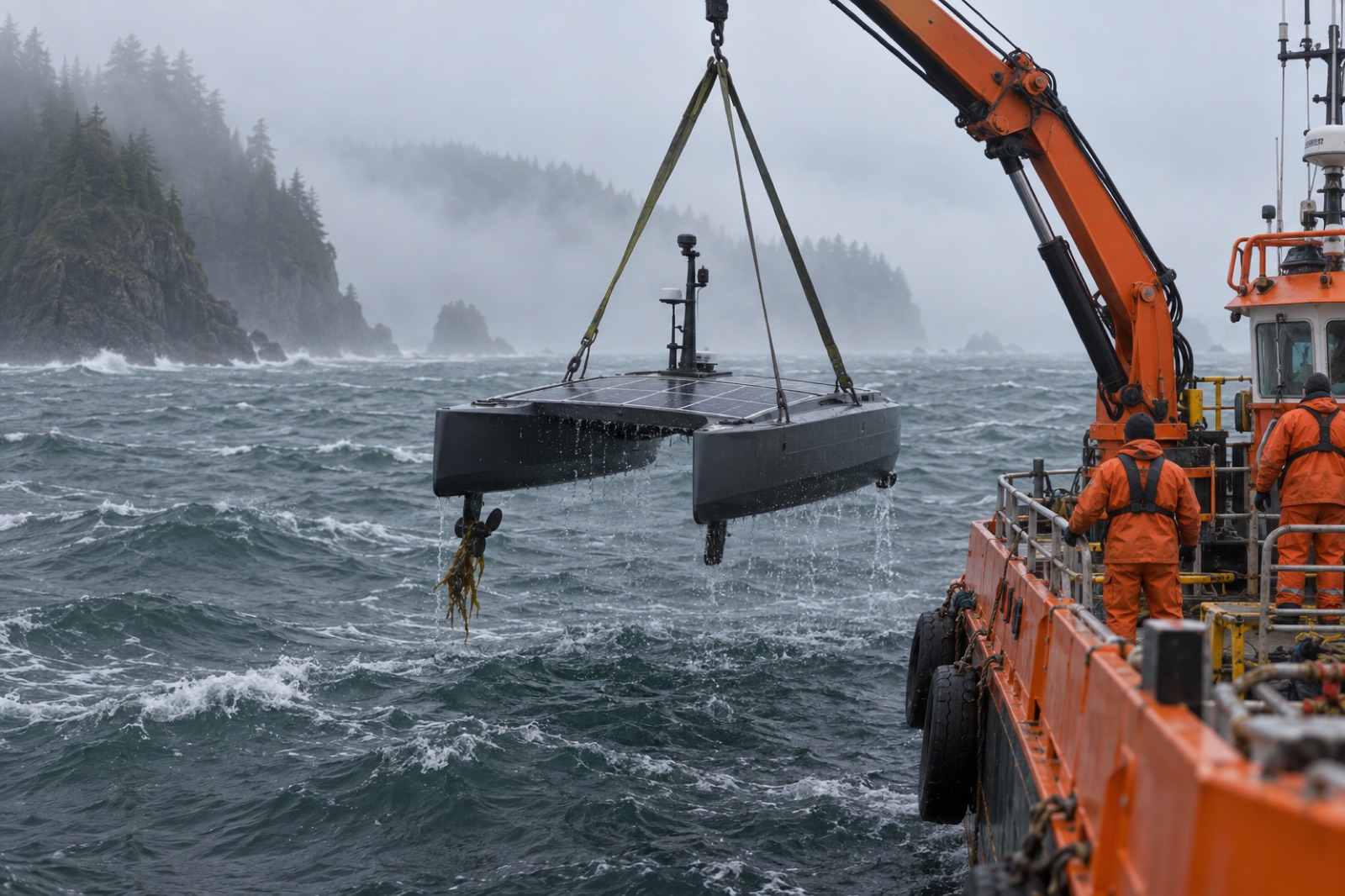
Drifter Nine stopped phoning home mid-survey off Mendocino. Field notes on the search, the recovery at sea and what the fault log told us afterward.
Jack Callum ·
Every March we fly every southern-hemisphere site at peak canopy. Twelve flights a day, dawn tides, and a data pipeline that turns pixels into a season's verdict.
Jack Callum ·
A week flying multispectral drone surveys over Mendocino's recovering bull kelp: fog windows, canopy maths, and where the map still needs divers.
Jack Callum ·
Field notes from the day Canopy Ledger's first verified carbon credit was retired — the registry paperwork, the hesitations, and what the crew made of the moment.
Priya Raman ·
A Tidewright field note from Tasmania's Lumeriah Coast: anchoring a monitoring buoy over the thousandth seeded hectare, and what a big round number is actually worth.
Jack Callum ·
A Tidewright field note from Triabunna: 300 neighbours, forty schoolkids and one microscope queue at the Holdfast kelp hatchery's first community open day.
Naomi Reyes ·
A field note from Hokkaido's kombu coast: stone-beach drying, grading tables and the harvest craft that reshaped how Tidewright handles its own kelp.
Jack Callum ·
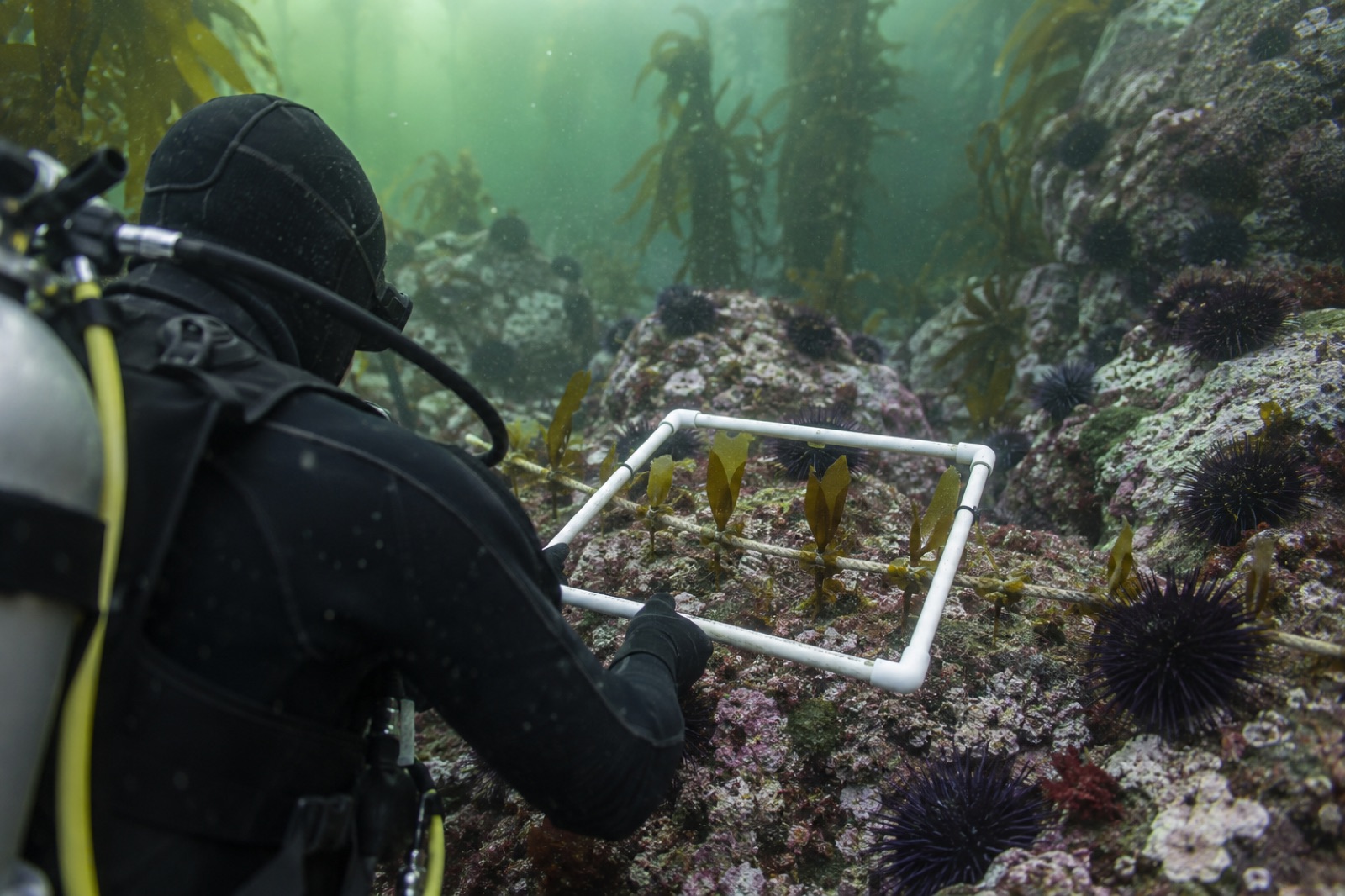
Field notes from a winter holdfast census across a Tasmanian reseeding site: urchin counts on treated vs control transects, and what we changed for next season.
Jack Callum ·
The first Holdfast lines we ever laid are three years old and due for retrieval. What biodegradable seeding lines look like after three winters — and what they taught us.
Jack Callum ·
Four days off Fortescue Bay putting Drifter hull 9 through its first sea trials — what we test, what broke, and why the slow tests matter most.
Jack Callum ·
A Tidewright field note from Gulf St Vincent: collecting golden kelp broodstock by torchlight with the Kudjela Sea Country Rangers, two hours either side of low tide.
Jack Callum ·
In eight weeks the light goes at 68° north. What Lofoten's first seeded lines did through their first summer, and the plan for going back in.
Jack Callum ·
Tidewright field note from Lofoten: how a kelp nursery survives December — storm triage, line tensioning, and what three Atlantic gales teach a young crop.
Jack Callum ·
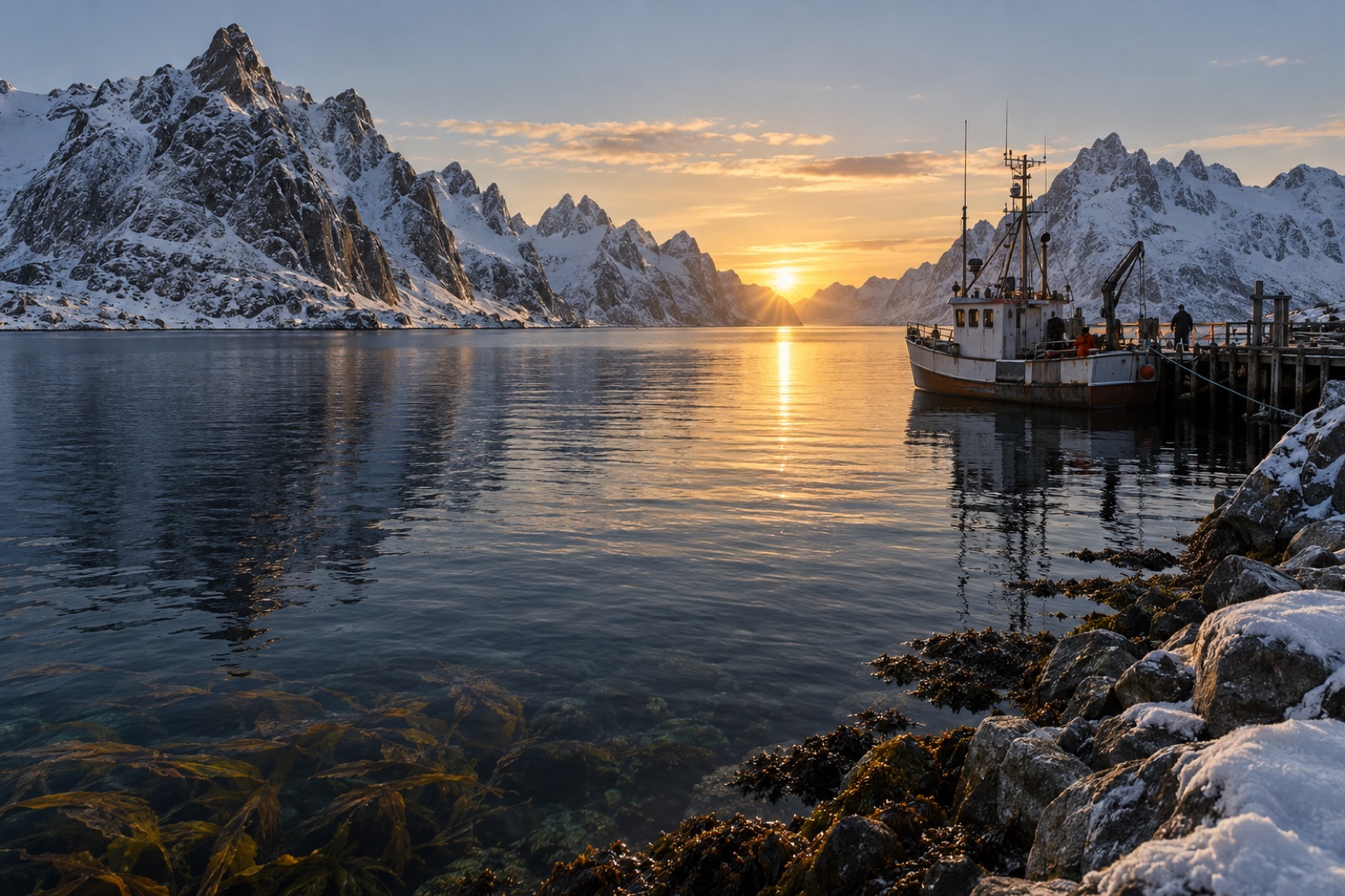
Four Kudjela sea-country rangers fly north to our Lofoten project. A week of sugar kelp, winter light, and two very different coasts trading what they know.
Jack Callum ·
Twenty-four fourth-graders, forty masks, and one restored kelp bay. Field notes from a Tinderbox school snorkel day — and why it matters to the program.
Jack Callum ·
Tidewright field note: three September weeks on Sitka Sound collecting kelp sorus — the wild reproduction tissue that seeds every Holdfast line we grow.
Jack Callum ·
Fourteen days, one weather window and a quota the reef wrote first — field notes from the harvest fortnight that funds a season on the Humboldt coast.
Jack Callum ·
Five trainees, two instructors, one Tasmanian barren. What it actually takes to turn working divers into an urchin-removal crew, and what the first week teaches them.
Jack Callum ·
Dawn on Tasmania's east coast: four divers, two hammers, and a barren the size of a football pitch. What an urchin cull actually looks like from inside the vis.
Jack Callum ·
The first biodiversity credit we ever issued took eleven months, three verifiers and one metric we threw away. Field notes from inside the process.
Priya Raman ·
Eighteen months after Lofoten's polar-night seeding, the sugar kelp belt met its first harvest. Field notes from the week the fleet got paid in kelp.
Jack Callum ·
Satellites and drones draw the canopy maps; divers make them honest. Field notes from a ground-truthing day with the Catalina Dive Co-op.
Tom Okafor ·
A Tidewright field note from the Holdfast hatchery: the red-lit night shift, quiet alarms, and what 3 a.m. teaches you about kelp seed quality.
Jack Callum ·
A routine Drifter survey off Mendocino returned a signature that matched no chart: hard reef where the map said sand. Field notes on what we found below.
Dr. Mara Ellison ·
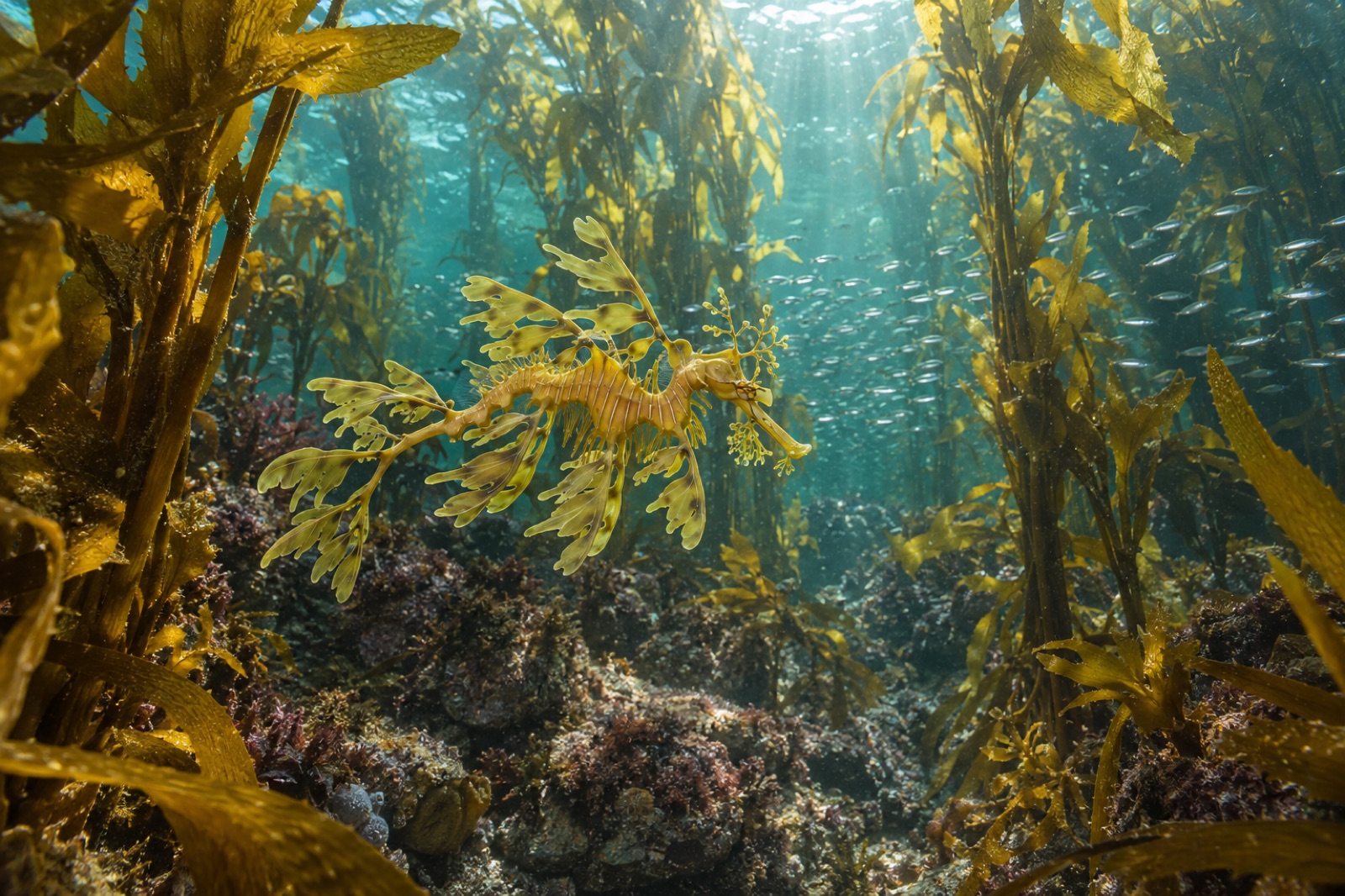
Golden kelp drops its spores for two short weeks in Gulf St Vincent. Field notes from a collection week run on the Kudjela Rangers' calendar, not ours.
Dr. Theo Nakamura ·
A Tidewright field note: acoustic-tagging giant sea bass near the restored kelp lines at Catalina — and what the receivers heard when the giants came back.
Jack Callum ·
A ranger-led golden kelp harvest on South Australia's Gulf St Vincent just funded an entire seeding season. Field notes from the week the flywheel turned.
Jack Callum ·
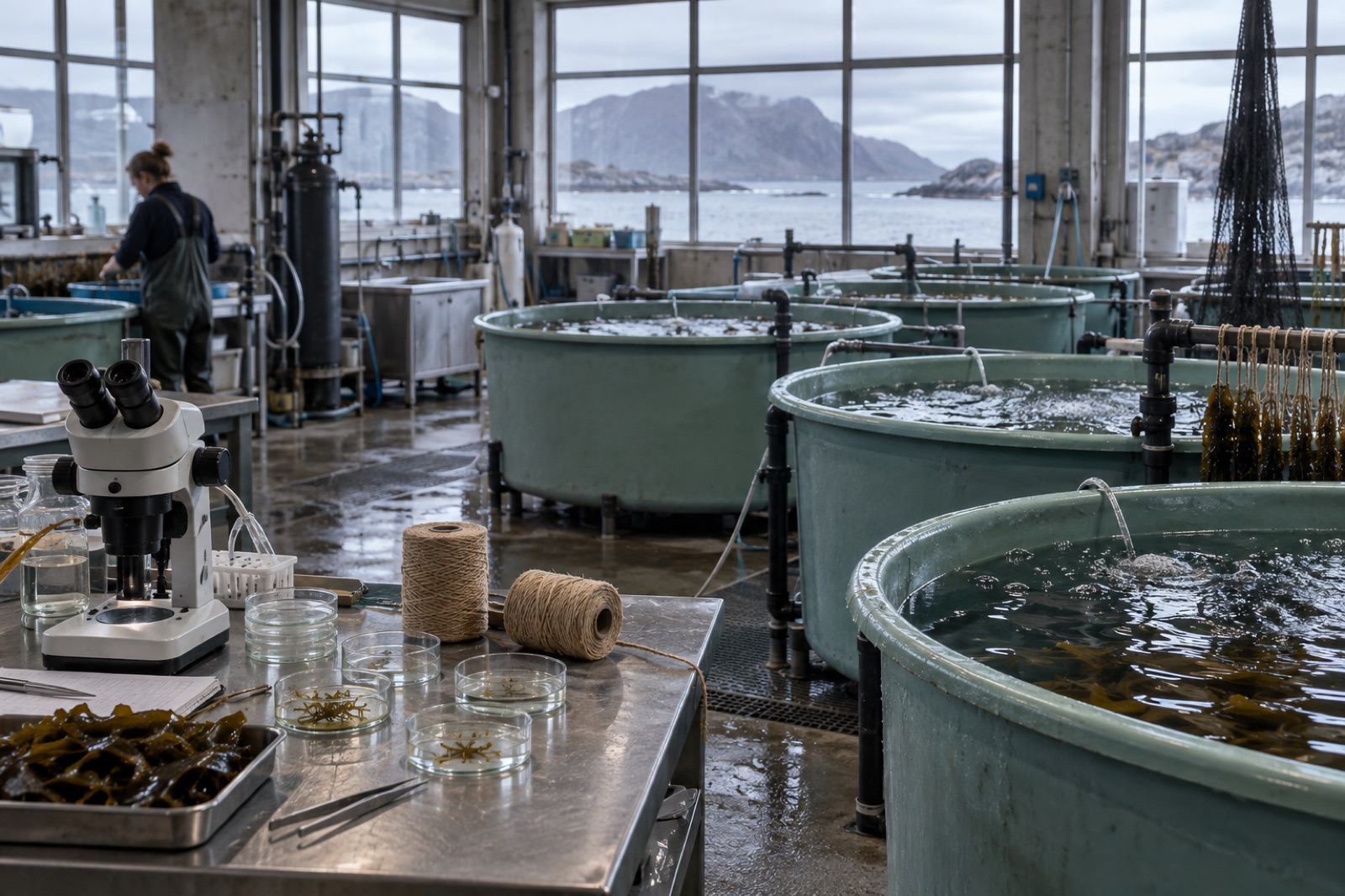
Five days as a trainee inside Tidewright's Holdfast hatchery: spore releases, cold rooms, seeded lines and the unglamorous real work of restoration.
Jack Callum ·
A February storm took eleven of sixty seeded lines off the Mendocino coast. This is the honest write-up: what failed, what it cost, and what changes.
Jack Callum ·
Join Tidewright's dive survey team as they count an advancing urchin front on Tasmania's coast — the methodical, cold, essential math of kelp restoration.
Jack Callum ·
After 90 days alone on the Great Southern Reef, autonomous vessel Drifter 7 returned with 4.2 million images and one bent propeller. This is its story.
Jack Callum ·
A Tidewright field note from California's north coast: two weeks inside a purple urchin barren, counting what kelp loss looks like and planning its way back.
Jack Callum ·
What settles on an urchin barren, and what survives? We bolted ceramic settlement plates to Mendocino reef to find out — before and after seeding.
Jack Callum ·
A Tidewright field note from Maria Island, Tasmania: deploying Holdfast seed lines onto heat-struck reef at dawn, and what we found three months on.
Jack Callum ·
Seven months after seeding, the first kelp canopy breaks the surface at Stumpy's Bay. Tidewright's crew logs the milestone — and what it actually means.
Jack Callum ·
Tr L-7 is a single 30-metre transect off Tasmania surveyed every month since 2021. Five years of unglamorous re-measurement turned out to be our sharpest instrument.
Jack Callum ·
A mains failure at 2 a.m. puts a Tasmanian kelp hatchery's season on a countdown. Field notes on triage, generators and the order in which things die.
Jack Callum ·
A field note from Hokkaido's kombu coast: autumn seeding with the Kushiro growers' guild, and what a century of kombu craft teaches a restoration nursery.
Dr. Theo Nakamura ·
A Pacific storm season tests Tidewright's Catalina restoration site. Field notes on survey dives between swells, storm-torn kelp, and which Holdfast lines held.
Jack Callum ·
A respectful tour of Tidewright's failed hardware: flooded hulls, fouled reels, an anchor that walked, and the eleven lessons that built the working fleet.
Jack Callum ·
Tidewright's field crew logs their first week seeding Holdfast lines at Tinderbox, Tasmania — survey dives, southerly swells, and 40,000 metres of seeded line.
Jack Callum ·
Ten days scouting Nova Scotia's eastern shore for what could become Tidewright's first Atlantic restoration site: sonar, charts and community halls.
Jack Callum ·
Two growing seasons after the barren survey: the first bull kelp fronds are up, the urchins are walking back in, and the blocks are holding. A field note.
Jack Callum ·
Kushiro's second kombu seeding season changed almost everything from year one: timing, donors, dive inspections and the local farmers' verdict. A field log from Hokkaido.
Jack Callum ·
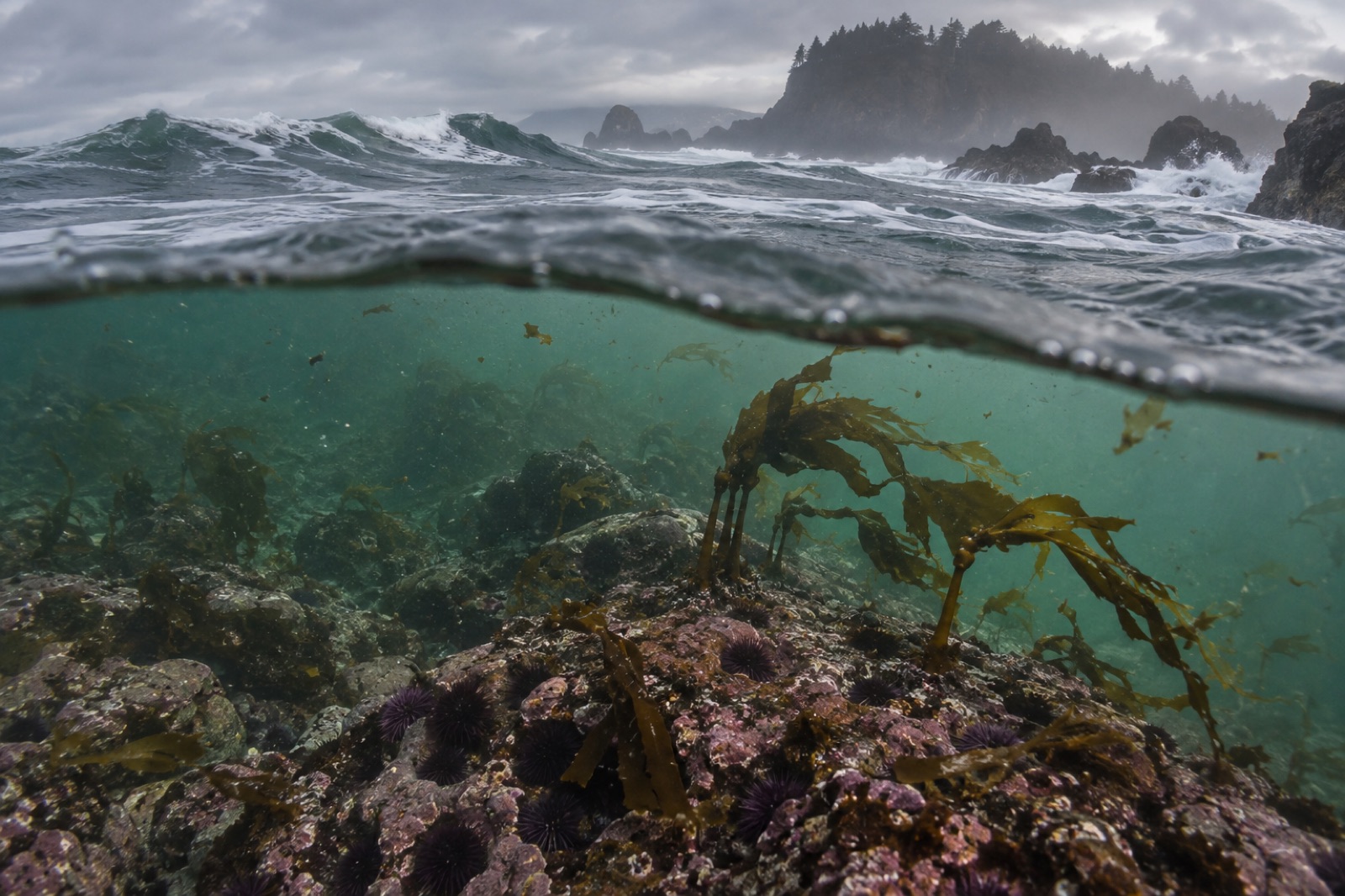
A Tidewright field dispatch from Mendocino's winter monitoring season: working the barren-edge transects in the windows between storms.
Jack Callum ·
A Tasmania survey block scored high on every restoration metric and we still walked away. On suitable habitat, restraint, and the reefs that don't need us.
Jack Callum ·
Of eleven lines the February storm took at Mendocino, Line Twelve earned its own note: a two-day salvage, a pinnacle that adopted it, and the anchor that came next.
Jack Callum ·
A field note from the Mendocino coast: the morning sonar and diver eyes confirmed bull kelp canopy over our first seeded corridor, and what that number means.
Jack Callum ·
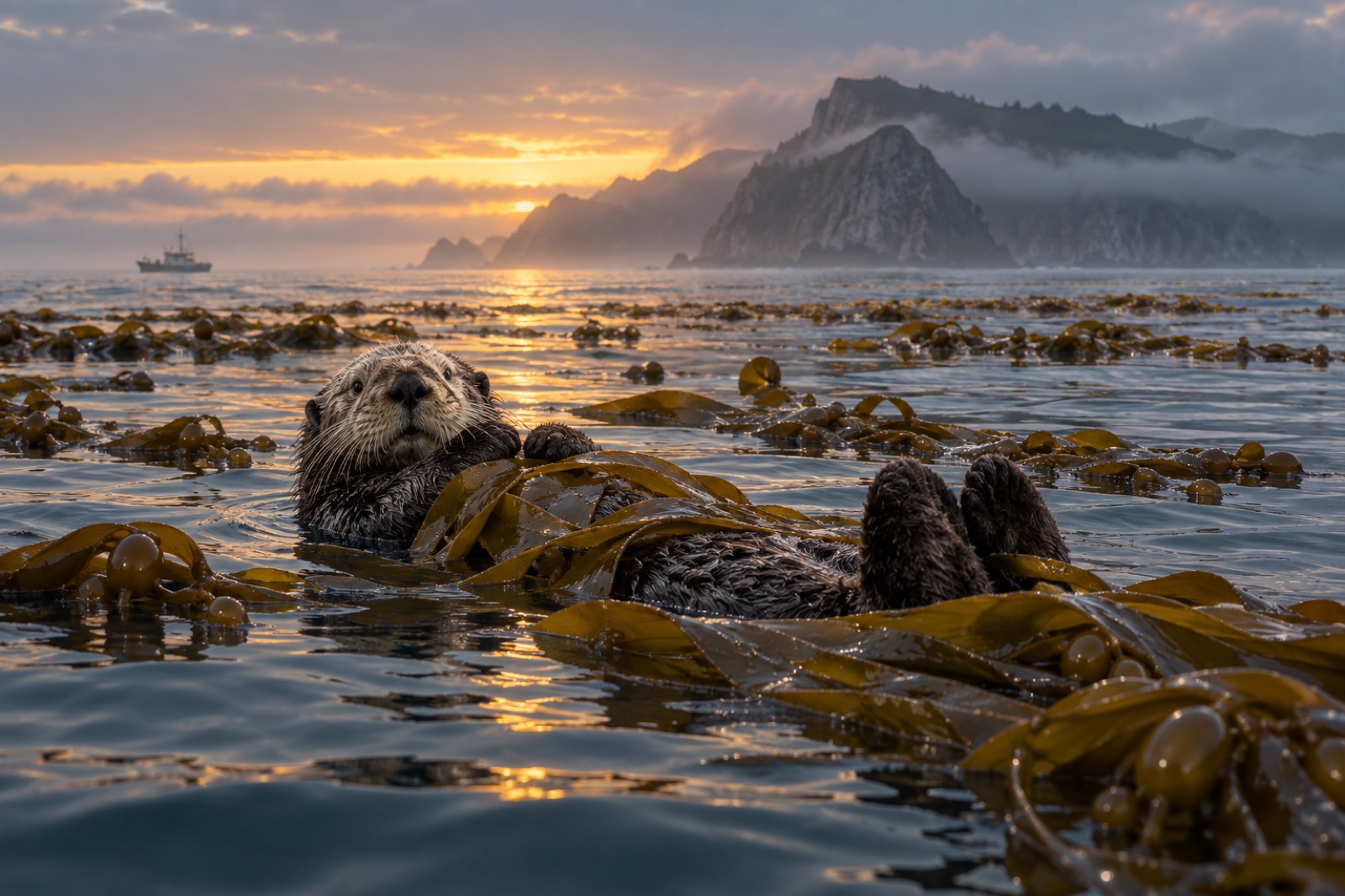
Sea otters are strangers at Catalina — so when one appeared over Tidewright's restoration block, we built a dawn count around him. What the survey found.
Dr. Mara Ellison ·
A field note from our Tasmanian nursery: two autumn weeks diving for fertile giant kelp blades, racing spores to tanks, and banking a forest's next generation.
Jack Callum ·
A Tidewright field note from the coldest corner of our hatchery: the gametophyte bank, where microscopic kelp cultures wait in the dark for the reefs that will need them.
Dr. Elias Brandt ·
Two weeks in Tasmania building the Kudjela Rangers' dive survey crew: skills assessments, safety drills, and the moment a new surveyor out-dove her instructor.
Jack Callum ·
For one week at Tinderbox we counted the same kelp canopy twice — once by drone, once by diver. Here's what each method caught, missed and taught us.
Jack Callum ·
Wintering over at Tidewright's Lofoten hatchery means seedstock care in the polar night: light discipline, cold rooms, slow work and a culture lab that never sleeps.
Dr. Theo Nakamura ·
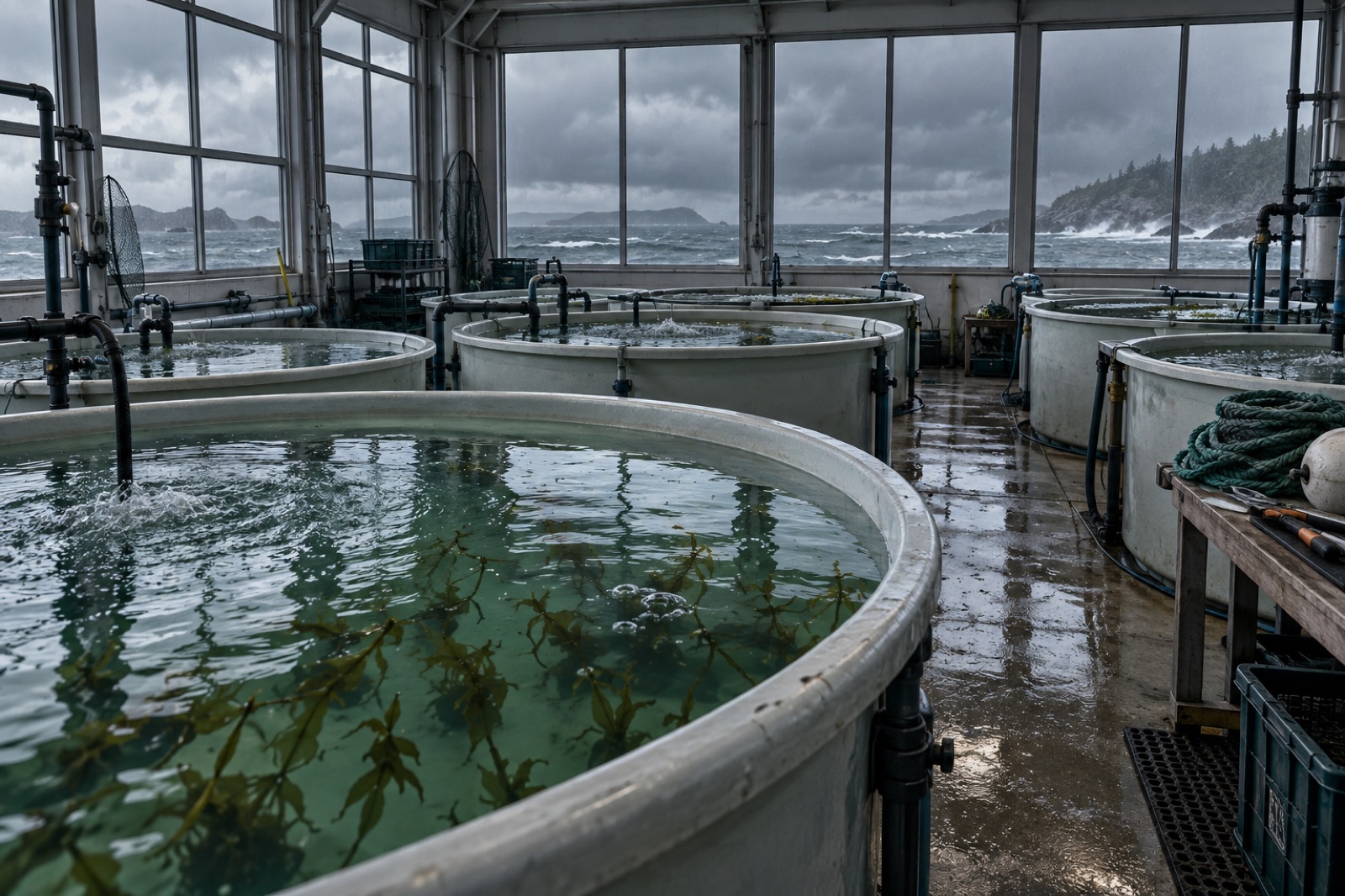
A Tidewright field note from our Triabunna hatchery: when a freak hailstorm killed the power mid-season, the crew had eleven hours to save a year of kelp seedstock.
Jack Callum ·
A field note from three fog-bound months on California's north coast: working around the marine layer, and why the fog and the kelp are the same story.
Jack Callum ·
Five days on sea country with the Kudjela Rangers off Tasmania's east coast: eDNA sampling, seasonal calendars, and what genuine co-management looks like on the water.
Jack Callum ·
Inside a kelp holdfast census at Tinderbox: bagging, sieving and counting the hundreds of small animals that tell us whether a restored reef is alive.
Dr. Mara Ellison ·
After the February storm that took eleven seeded lines at Mendocino, the first formal belt transect told a calmer, stranger story. Notes from the dive.
Jack Callum ·
A southerly storm wrapped two Holdfast lines into each other off Tasmania. The dive to untangle them — and the line-spacing rule that came out of it — from the field log.
Jack Callum ·
A Tidewright field dispatch: transecting the moving edge of an urchin barren by Drifter sonar and drop camera, and deciding where next season's Holdfast lines go.
Jack Callum ·
Why Tidewright's sharpest fish census is a diver swimming 400 metres at dawn on fin power alone. A field note on roving-diver surveys off Tasmania.
Dr. Mara Ellison ·
Once a season, Tidewright's canopy maps get their night of judgment. Field ops lead Jack Callum logs a verification night inside the Canopy Ledger.
Jack Callum ·
On Tidewright's solar-electric survey vessels, the battery pack is payload and lifeline at once. A field log of at-sea battery swaps — and what they taught the design team.
Jack Callum ·
Every autumn we weigh the urchins culled from the barren edge at Boomer Bay. This year the scales told a different story — and changed next year's plan.
Jack Callum ·
Before Tidewright's second Lofoten winter, the crew trained for sea ice, four-hour twilight and frozen shackles. Field notes from the course we built.
Jack Callum ·
Why Tidewright crews seed Holdfast lines at forty degrees to the prevailing swell — the fieldcraft, physics and early failures behind a deceptively simple rule.
Jack Callum ·
A September swell off Hokkaido took one Holdfast line whole. What losing Line Seven taught us about anchors, graceful failure and honest reporting.
Jack Callum ·
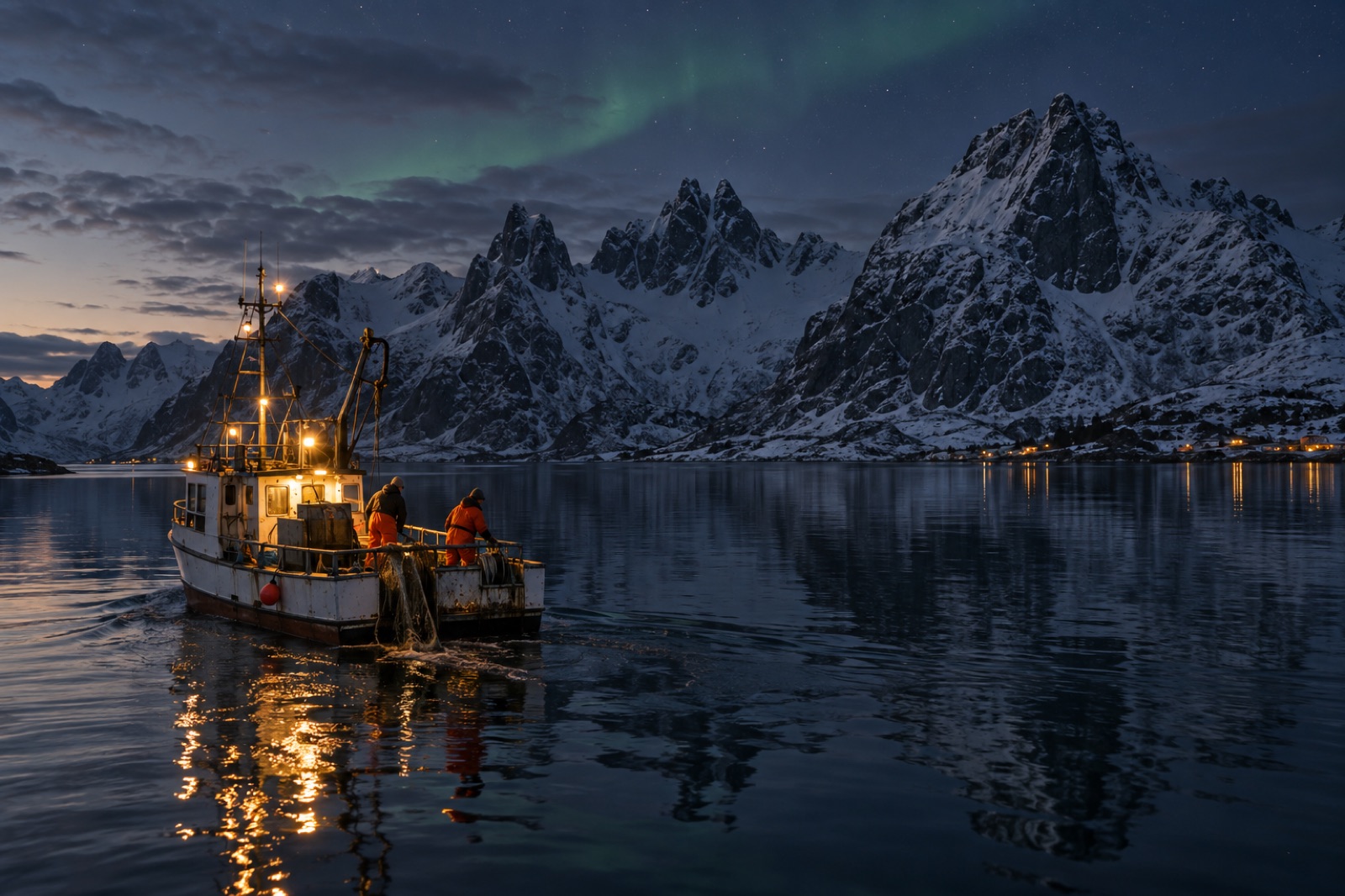
Tidewright's northern-most program seeds sugar kelp through Lofoten's polar night, working from fishing boats at 68 degrees north. A field operations log.
Jack Callum ·
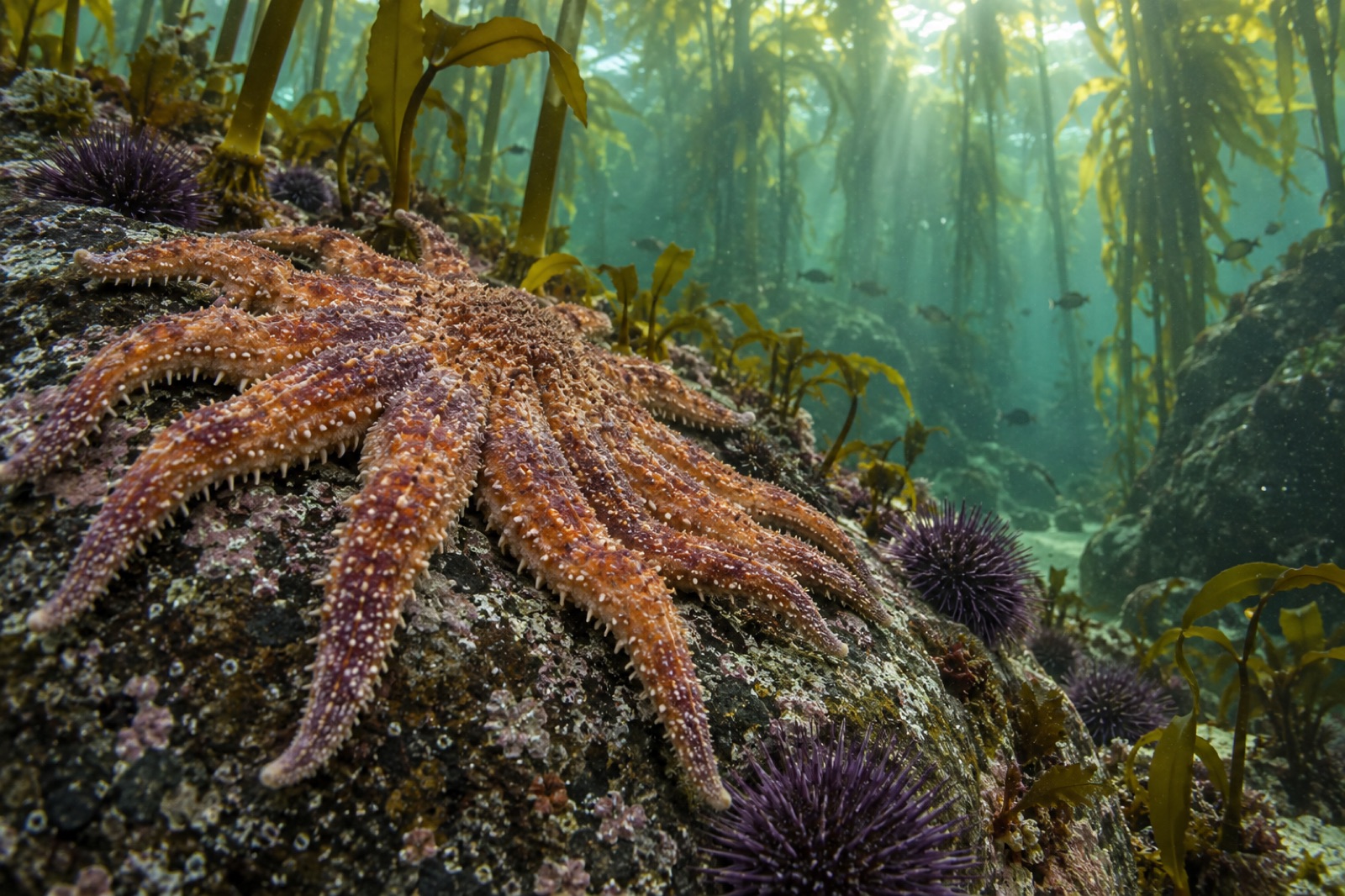
A Tidewright dispatch: the first sunflower star recorded on a long-running transect since the wasting years, and an honest crew argument about what one animal means.
Jack Callum ·
Twelve months at Tidewright's most-watched restoration site: a school snorkel program, 400 volunteer dives, and a kelp forest visible from the walking track.
Jack Callum ·
Once a year we swab restored and wild kelp beds across Tasmania for the provenance program. Two hundred blades, five sites, and what the lab read in them.
Dr. Elias Brandt ·
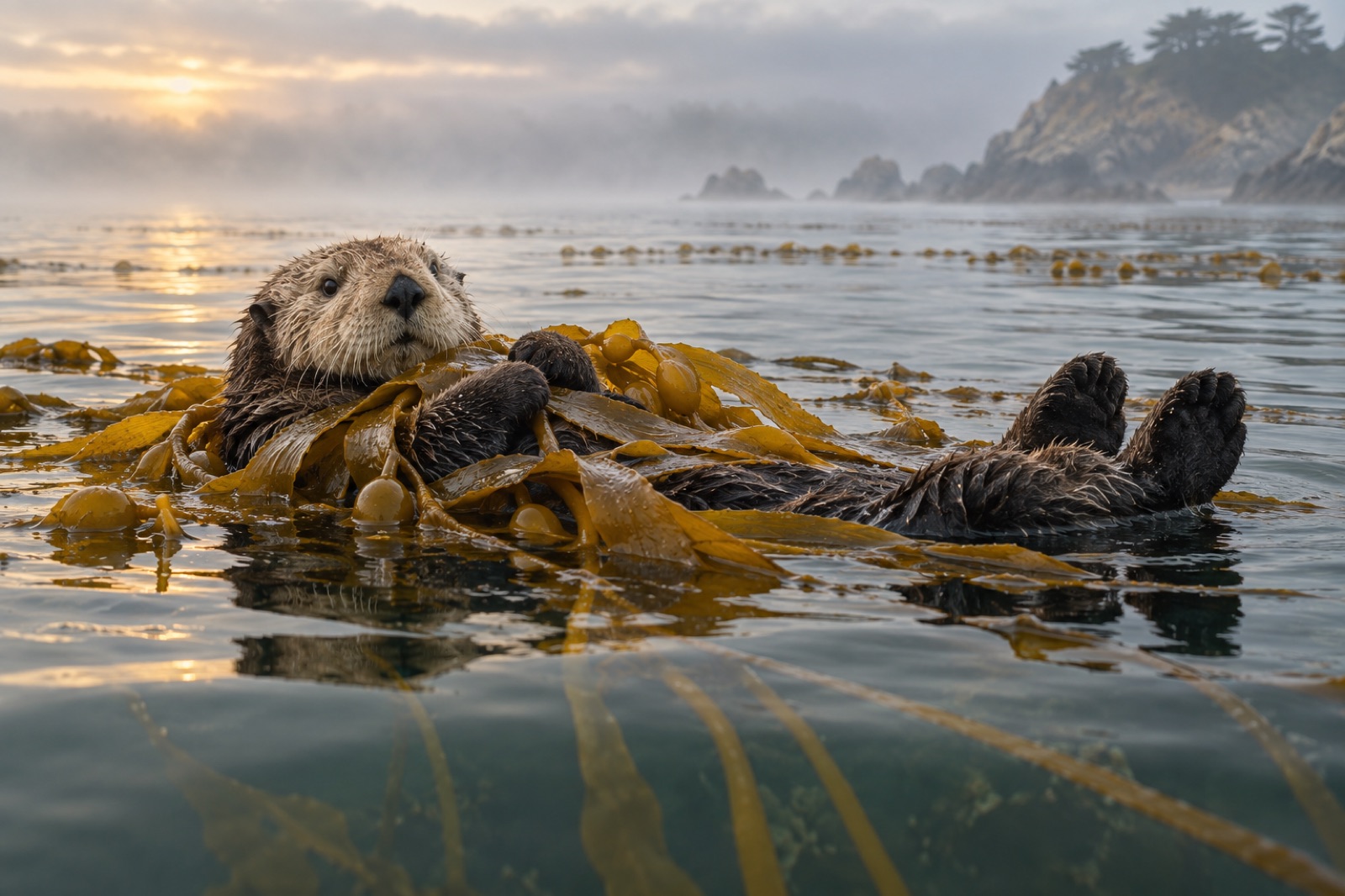
Two years after Tidewright reseeded an urchin barren off the Monterey Peninsula, a raft of sea otters moved in. Field notes on what that return really signals.
Jack Callum ·
A routine survey sweep off Tasmania's northeast turned into the discovery of the season: wild giant kelp recruiting on a reef the charts had written off.
Jack Callum ·
A newly seeded kelp bed meets its first storm season. Notes on depth, spacing and which lines came through the winter with their heads up.
Jack Callum ·
Four councillors, one RIB, two spare wetsuits and a young kelp bed. Notes from a field day with the people who sign our permits.
Jack Callum ·
Three days of camanchaca fog shut down every camera we own on the Humboldt Coast. The survey didn't stop — it changed tools. How to work a reef blind.
Jack Callum ·